
Data from the Centers for Disease Control and Prevention shows that more than 49,000 people died by suicide in 2022—the highest number of suicide deaths ever recorded in the U.S.
Communities of color are increasingly affected by suicide, with deaths among Indigenous peoples and Black, Hispanic, and Asian Americans rising over the past 20 years. Veterans, people who identify as LGBTQ, youth and young adults, and disaster survivors are also at elevated risk of suicide.
Nearly half of people who die by suicide see a health care professional in the month before their death. These interactions offer a key opportunity for providers to identify individuals at risk for suicide and connect them to care. Yet despite the availability of suicide screening tools and evidence-based practices that reduce the likelihood of suicide deaths or attempts, research shows that these interventions are not widely used across health care systems.
The Pew Charitable Trusts’ suicide risk reduction project aims to empower hospitals and health systems to expand the use of evidence-based suicide screening and care to help reduce suicide deaths in the U.S.
If you or someone you know needs help, please call or text the Suicide and Crisis Lifeline at 988 or visit 988lifeline.org and click on the chat button.

Suicide is a complex public health issue that affects millions of Americans every year. The U.S. suicide rate rose by 30% from 2000 to 2020, with disproportionately large increases among young adults, veterans, and certain racial and ethnic groups.

Suicide is a serious public health problem in the United States, with more than 49,000 people estimated to have died by suicide in 2022. But evidence-based approaches—universal suicide screening, safety planning, and connections to care—can reduce suicide risk and help save lives. Eleven years ago, Erin Goodman revealed her suicidal thoughts to a primary care doctor who was not equipped to intervene with evidence-based care; shortly after, she survived a suicide attempt.
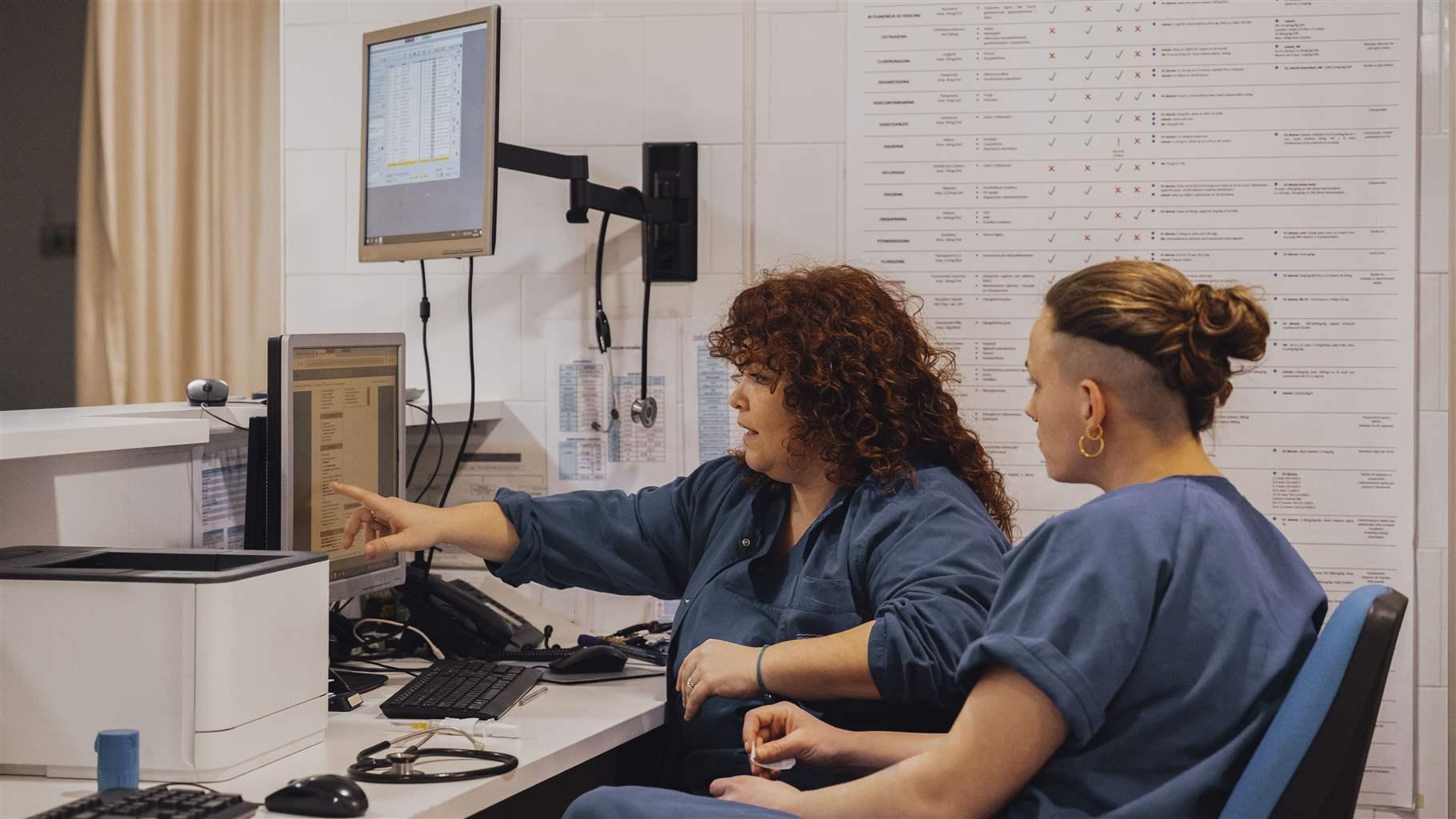
In response to alarming rates of suicide in the United States and in the communities it serves, Atrium Health, one of the largest health care systems in the Southeast, launched a prevention program in 2019 based on the Zero Suicide Framework. This framework promotes a holistic approach to suicide prevention in health care settings, including suicide risk screening, assessment, and follow-up care interventions.

Acute care hospitals—which provide short-term, intensive medical care to treat illnesses or injuries—play a vital role in suicide prevention. Providers in these settings are well positioned to screen patients for suicide risk and address imminent safety concerns through evidence-based tools, such as safety planning and lethal means counseling, that help prepare individuals to return home safely.

Suicide claimed more than 49,000 lives in 2023, the highest number ever recorded in the United States, according to federal data. Health care providers can play a key role in reducing that number, given that almost half of those who die by suicide visit a health care setting in the month before their death.


