How States Are Navigating the Intersection of Disasters and Public Health
Improved collaboration on resilience can help manage escalating risk
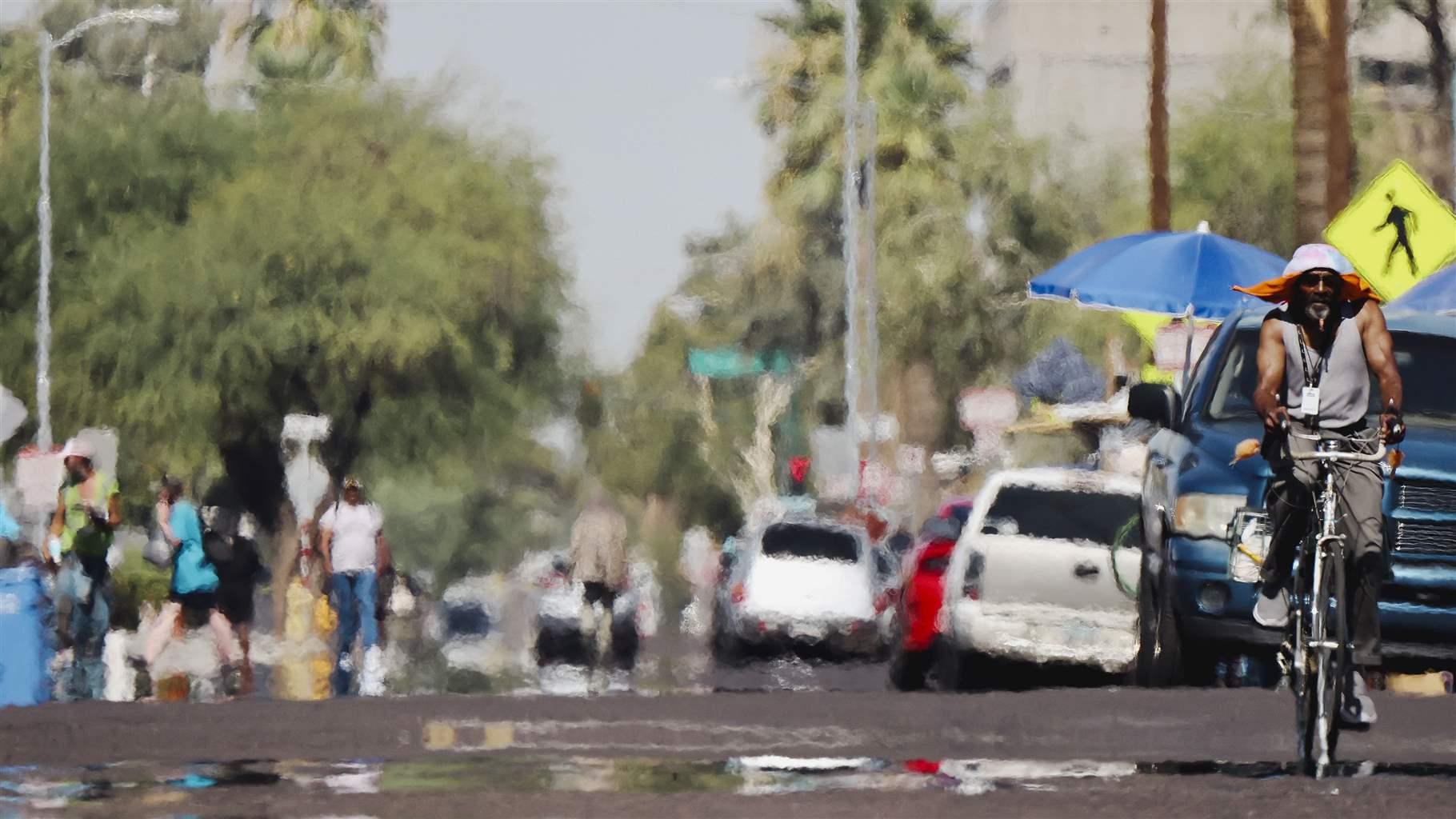
As state officials seek to address the full scope of extreme weather impacts, they must look beyond physical damage metrics—washed-out roads, downed power lines, and destroyed buildings—to broader health effects that are increasingly evident in emergency rooms, public health data, and community well-being.
Heat waves drive spikes in hospitalizations, wildfire smoke worsens respiratory illness, floods disrupt access to care, and repeated disasters compound the strain on residents, first responders, and public health systems. States need to address this new reality and its cascading, long-term impacts by advancing resilience initiatives that consider the implications for public health.
These challenges and emerging responses were a central focus of discussions at the winter meeting of The Pew Charitable Trusts-convened State Resilience Planning Group (SRPG) in March. State resilience officials discussed how worsening and compounding disasters are affecting public health and explored opportunities to achieve better outcomes through resilience planning and partnership.
Mounting and cascading hazards

Throughout the United States, extreme weather is becoming ever more frequent and unpredictable. A recent report from the STAT Network, a peer learning network of state public health leaders based at the Brown University School of Public Health, examined how these events can jeopardize Americans’ health and safety.
Speaking to the SRPG, STAT Network Lead Stefanie Friedhoff explained how prolonged heat waves, unprecedented flooding, and intensifying storms are becoming more routine—a reality many state resilience leaders have experienced firsthand.

Increasingly, each disaster sets the stage for the next. For instance, hurricane season aligns with the hottest part of the year in the Gulf and southeastern United States, and these storms are a major cause of power outages, exposing residents and emergency workers to heat stress in addition to the flooding and wind damage. And in Vermont, severe flooding, wildfire smoke and extreme heat converged during summer storms in 2023, raising concerns that flood-affected emergency shelters may not have sufficient air-conditioning or filtering capacity.
Such compound and quick-succession events strain emergency response staff and can lead to conflicting guidance, confusing the public and complicating response and recovery. Friedhoff noted that “the existing playbooks often no longer work … especially when you’re dealing with multiple, overlapping crises.”
Extreme heat as a stress test for governance

Extreme heat emergencies can persist for weeks or months, highlighting the need for continuous and integrated public health and resilience planning. One 2024 study found that heat-related deaths increased by 117% from 1999 to 2023, with a clear upward trend after 2016. Heat risk is shaped by the built environment and each individual’s health conditions. For instance, urban heat islands without adequate access to cooling can increase residents’ exposure, while pregnancy or cardiovascular disease can heighten a person’s vulnerability. Addressing heat risk requires holistic approaches, as reflected by the National Integrated Heat Health Information System, and local government responses.
Some states are taking on this interdisciplinary challenge with coordinated planning. In New Jersey, for example, interagency collaboration on flooding shifted as extreme heat became an urgent risk. Ultimately, 26 agencies contributed to the state’s Extreme Heat Resilience Action Plan, which has guided community resilience investments in expanded use of cooling centers, improved public communication during heat events, more reliable energy infrastructure, and better cross-agency coordination.
Collaboration to ensure health and safety

States are recognizing that less predictable and more frequent disasters require ongoing cooperation among resilience planning and public health agencies. The STAT Network report found that state public health departments are taking on more strategic and collaborative roles to address the health impacts of severe weather beyond just heat.
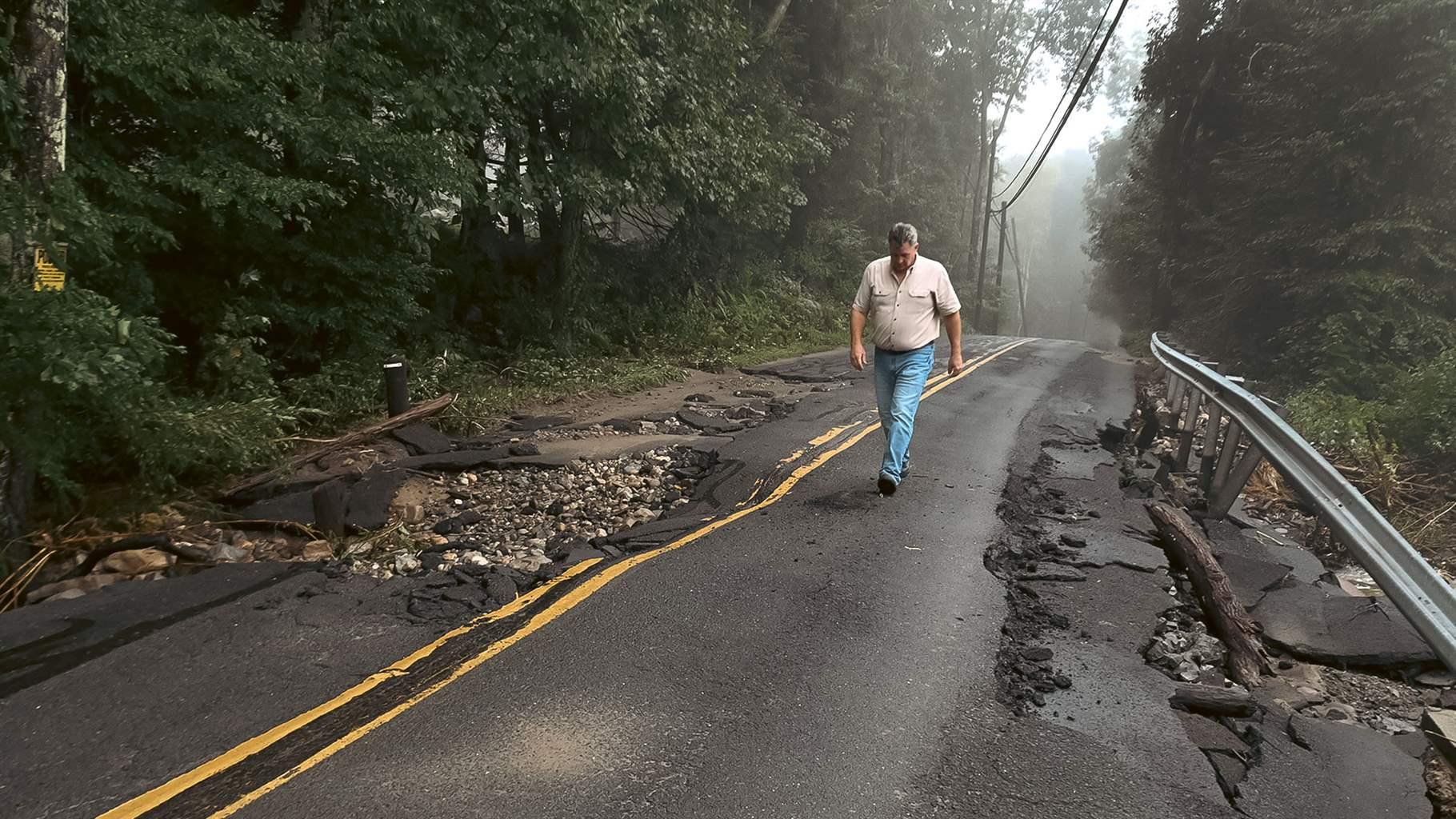
At the same time, resilience officials are working more closely with public health partners on long-term planning, preparedness, communication, and response. The winter meeting discussion highlighted shared challenges across resilience and health agencies, including declining federal investment in state public health and emergency response, diminishing federal guidance and technical assistance, rising misinformation, and difficulty reaching the most vulnerable people. Participants described partnering with public health teams and local and community-based groups, such as interfaith networks, to identify vulnerable residents, distribute resources, and amplify information about extreme weather.
The good news is that states are developing innovative ways of collaborating, planning, and partnering across agencies, while networks such as the SRPG and the STAT Network offer opportunities to share lessons, solve problems, and spread best practices. Continued innovation and cross-state information-sharing can build the playbooks needed to improve resilience and protect public health in extreme weather.
Kristiane Huber works on climate resilience initiatives for The Pew Charitable Trusts’ U.S. conservation project.
People


/16x9_m.jpg?mw=1820&hash=4C8AC0442DCF39C08321E82F1DA91C38)


