Prevent Overfishing Through Robust Fisheries Management
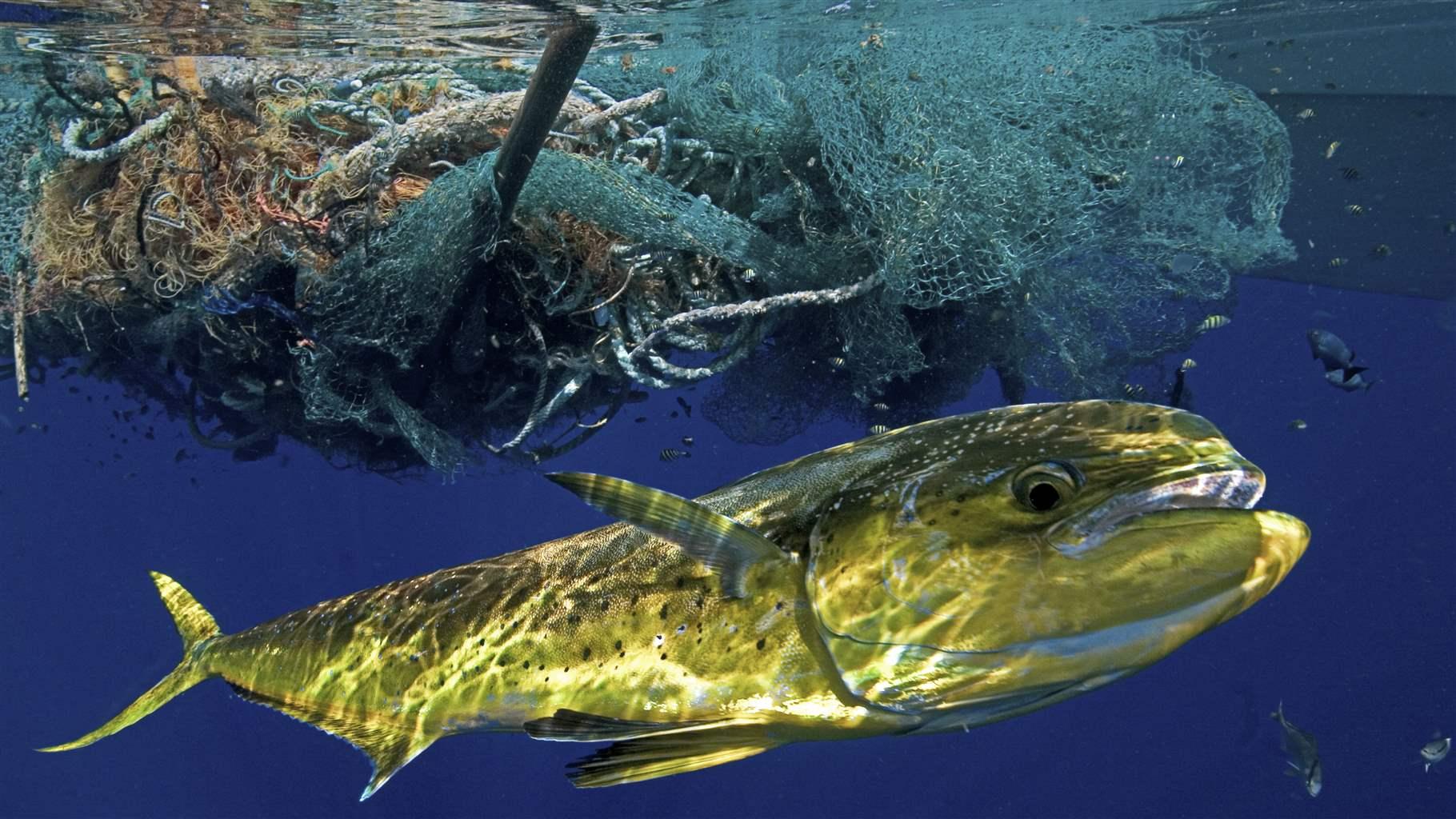
Internationally managed fisheries, like those for tuna and squid, generate billions of dollars each year and play a vital role in food security and the global economy. But they also impact marine ecosystems and species that are important components in natural food webs. Collectively, hundreds of species in more than 90% of the ocean are managed by regional fisheries management organizations (RFMOs), which include, among their members, over half of the world’s governments. Historically, these bodies put short-term profit over the long-term health of ecosystems. However, that’s beginning to change in large part due to a shift toward precautionary management.
This transition starts with the adoption of harvest strategies, also known as management procedures. With harvest strategies, managers set long-term objectives for a fishery and use science-based measures, rather than political negotiation, to set fishing levels based on the health of the fish population. This method keeps fisheries stable by accounting for external factors, such as environmental conditions or even climate change. This means as waters warm, or fish stocks shift, there shouldn’t be additional pressure on a population from too much fishing.
But science-based management measures cannot be effective if governments and their fishing fleets don’t follow them. RFMOs must complement their efforts to end overfishing with steps to enhance compliance. This can be done through improvements to how RFMOs hold their members accountable, including through enhanced monitoring of fishing activity.
The Pew Charitable Trusts is working across many RFMOs to end and prevent overfishing and to ensure that science-based, enforceable rules are adopted and implemented for all of the species they manage.
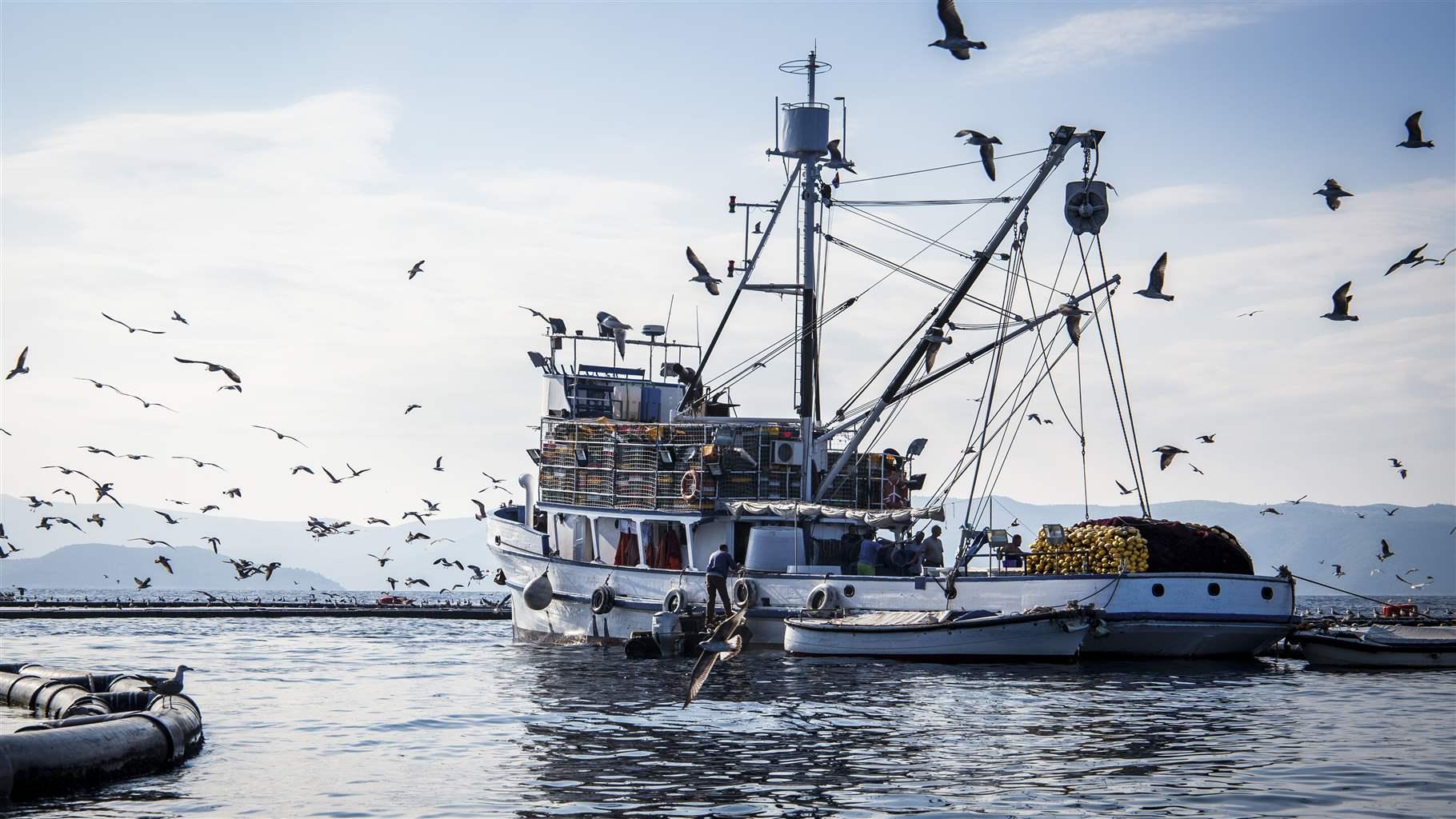
Regional fisheries management organizations, known as RFMOs, are key international entities responsible for the conservation and management of many of the world’s most valuable commercial fish stocks, including tunas worth more than $40 billion a year, as well as other highly migratory species, such as swordfish, sharks and rays.

Have you tried to figure out whether the fish you eat is sustainably sourced? At least 1 in 5 fish caught in the global ocean is a product of illegal, unreported, and unregulated fishing—one of the main threats to the health of the ocean.

Les organisations régionales de gestion des pêches (ORGP) supervisent les activités de pêche commerciale les plus lucratives au monde.
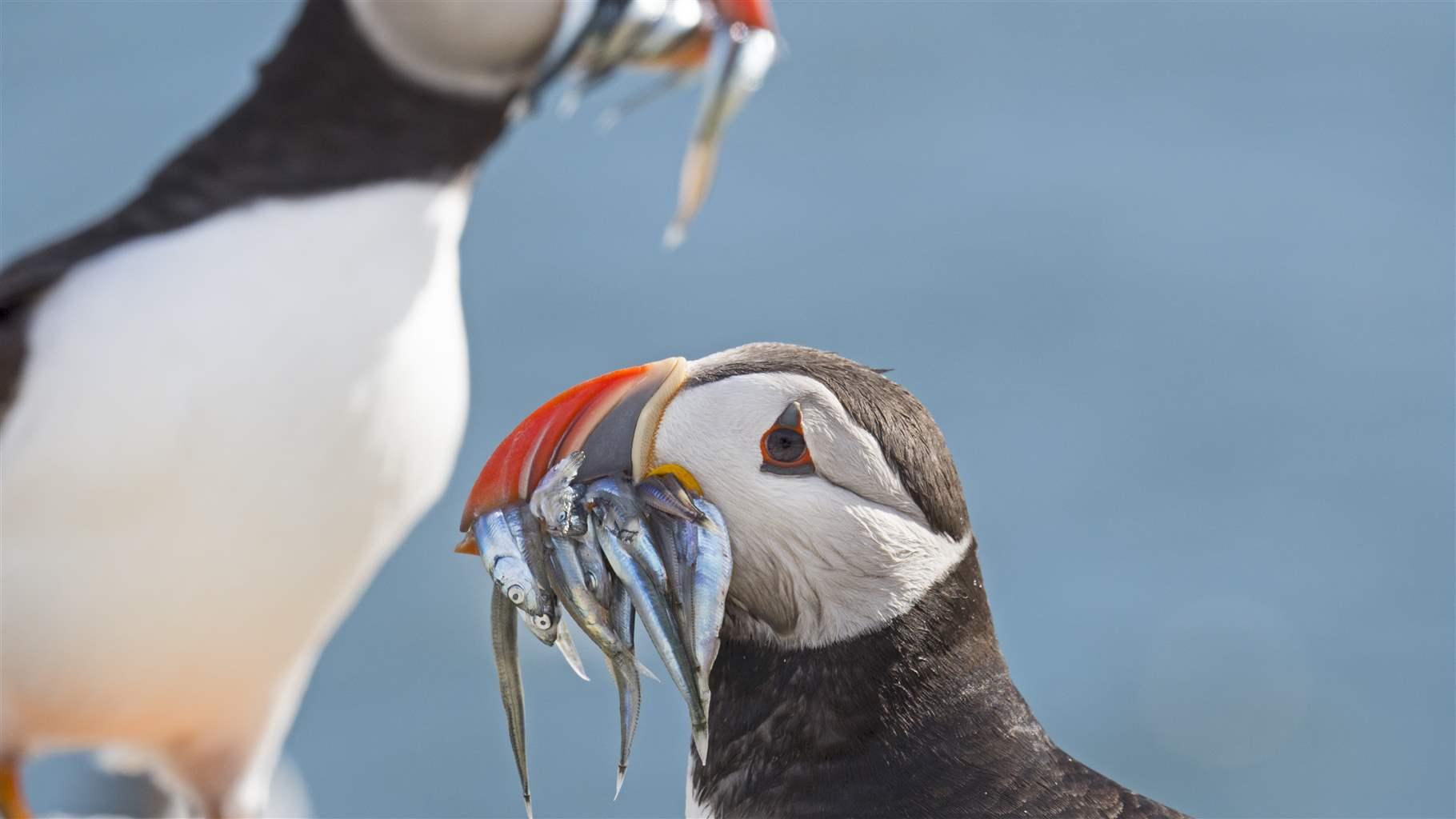
Depuis des dizaines d’années, les responsables des pêcheries à forte valeur commerciale du monde entier considèrent chaque espèce de manière indépendante.
Les Organisations régionales de gestion des pêches (ORGP) sont chargées de veiller à ce que la majorité des pêcheries commerciales mondiales ciblant des stocks halieutiques partagés soient gérées de manière durable et dans le respect des écosystèmes marins.
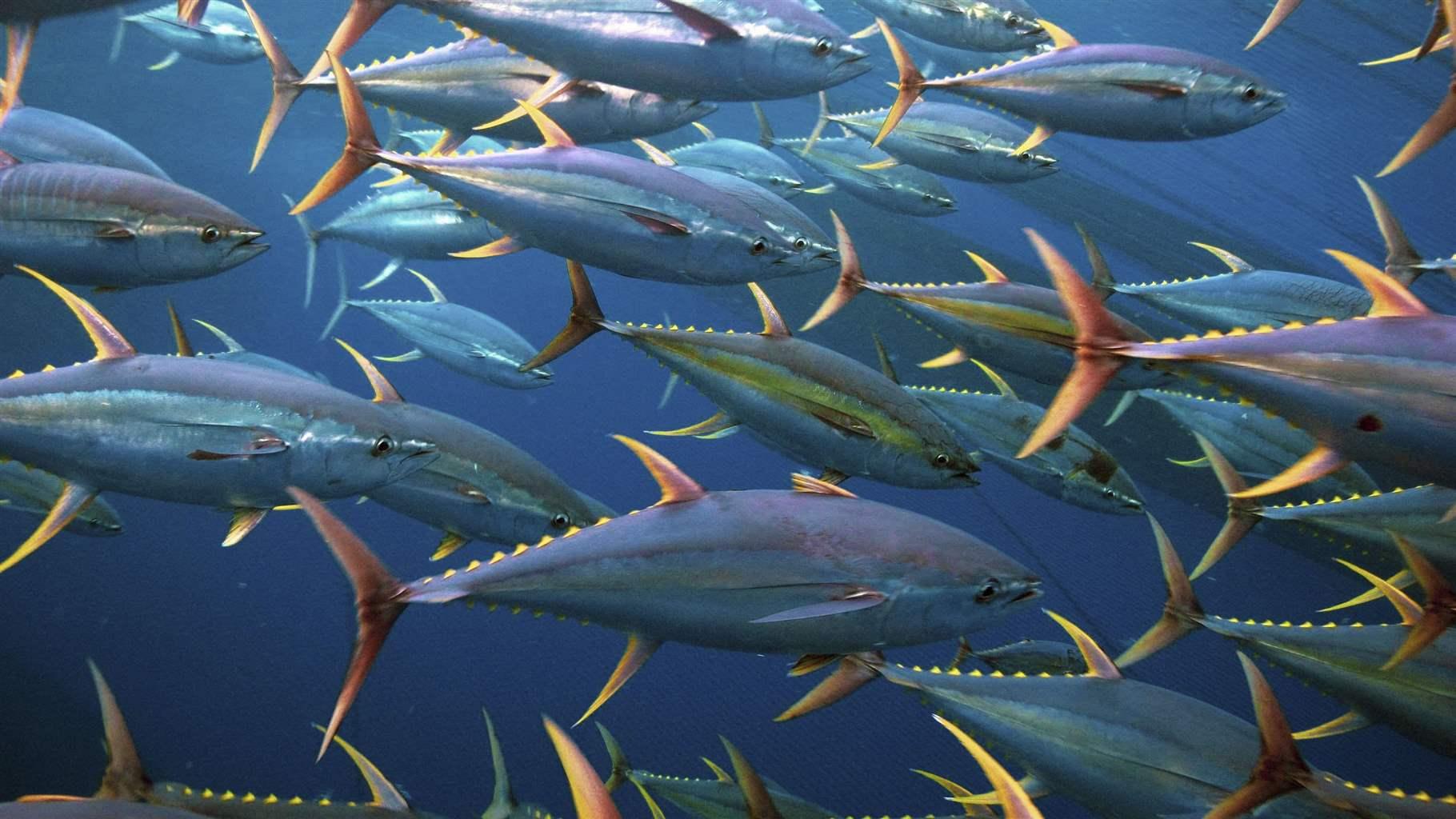
Every year, people catch and consume more than 5 million metric tons of tuna worldwide. But how does all of that fish get from the ocean to people’s sashimi and tuna salad sandwiches?


