Build-to-Rent Restrictions Undermine Benefits of Federal Housing Legislation
Bipartisan housing bill is promising, but one section could hinder affordability
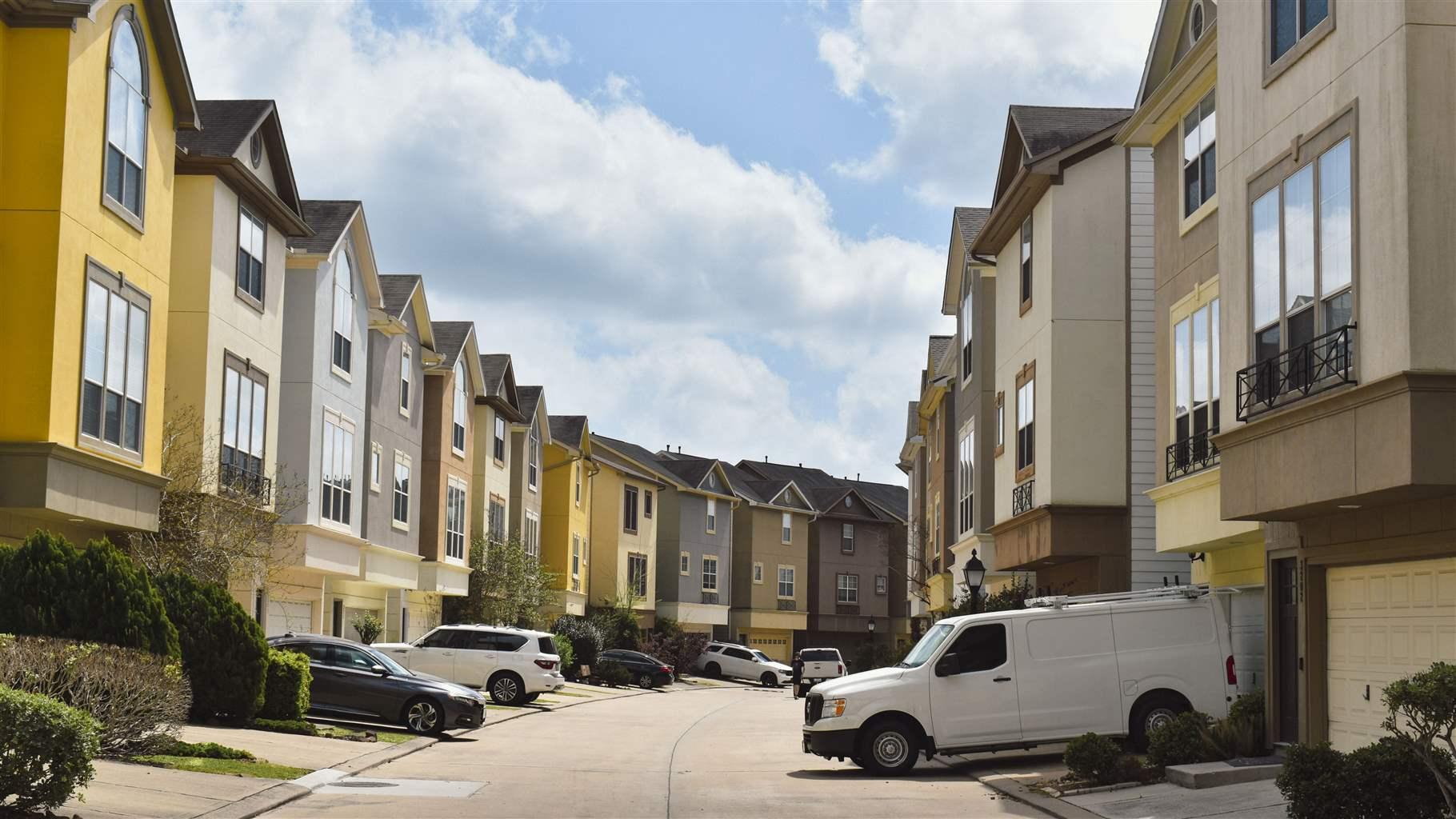
On March 10, 2026, The Pew Charitable Trusts sent a letter to Chairman Tim Scott and Ranking Member Elizabeth Warren of the Senate Committee on Banking, Housing, and Urban Affairs regarding the 21st Century ROAD to Housing Act, which is currently being considered in the Senate. This legislation aims to expand housing supply, modernize federal housing programs, and encourage communities to build more homes. In this letter, Pew applauded the committee’s efforts to advance a bipartisan legislative package aimed at improving housing availability and affordability in the United States. But Pew urged the Senate to revisit Section 901 because it would undermine the legislation’s purpose.
Section 901, which is intended to address concerns about institutional ownership of single-family rental homes, would limit build-to-rent (BTR) housing, which has added between 70,000 and 130,000 homes annually to the U.S. housing market in recent years. Builders in this sector construct single-family homes, including townhouses, specifically for renters, who often do not qualify for a mortgage under current lending standards. While Section 901 does not ban BTR housing, it would require companies to sell these homes after a period of time. This provision could financially undermine the case for building those homes and lead to renter displacement.
Pew’s letter explains how the current language of Section 901 risks sharply reducing the construction of much-needed rental housing and could lead to a decline in new single-family housing construction starts of 100,000 or more homes annually. That large of a reduction in new housing leads to higher rents, according to Pew’s research. Pew’s letter urges the Senate to revisit Section 901 so it does not raise rents for American families by curtailing BTR housing.
People


