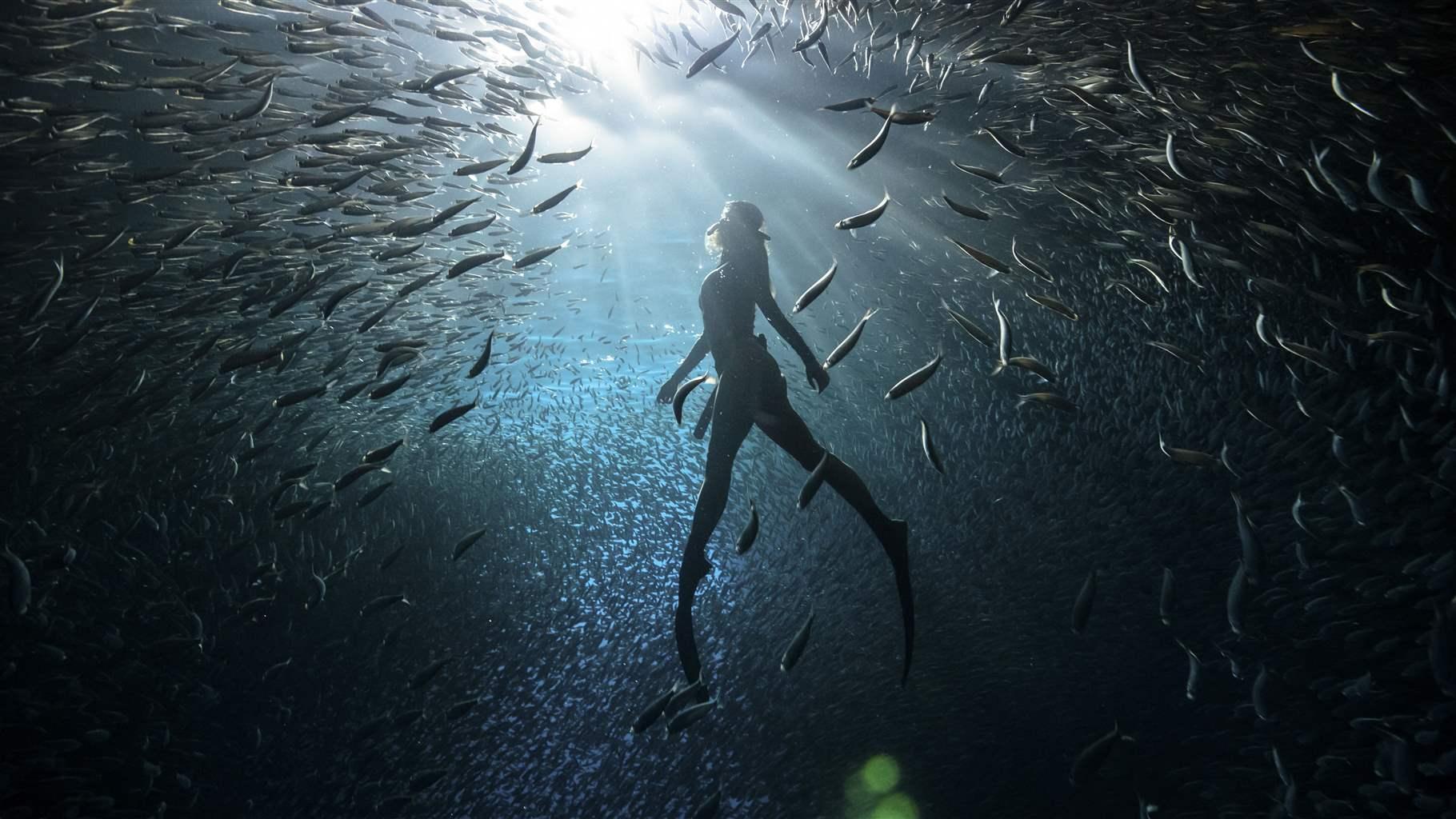
With High Seas Treaty in Force, Ocean Life Gains New Hope
Agreement – active starting today – opens door to conserving large parts of ocean and vulnerable marine life
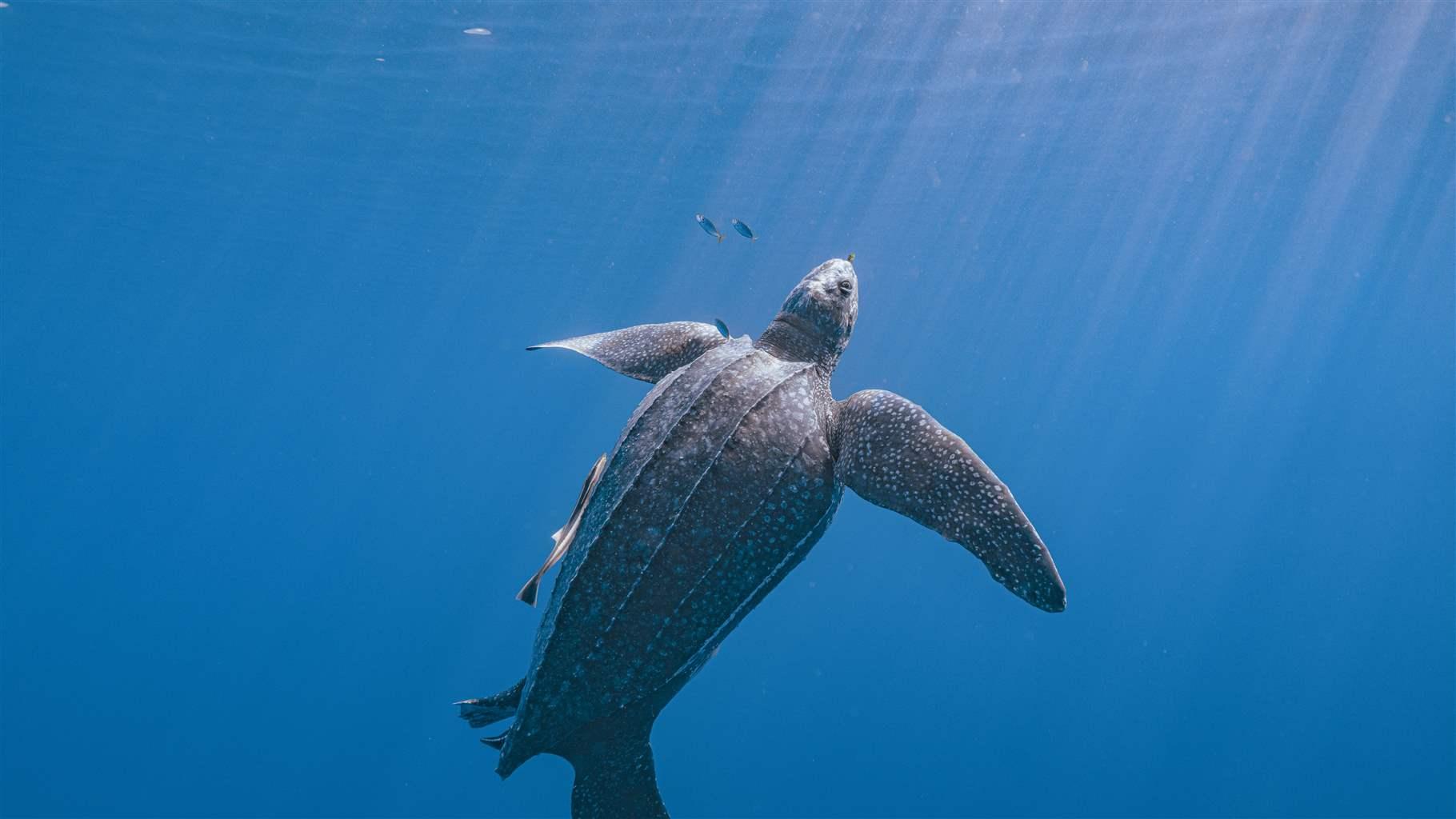
Starting today, the global community for the first time has a real opportunity to protect significant portions of the ocean. The high seas – the two-thirds of the ocean that lie outside national borders – teem with life and serve as migratory routes for sea turtles, whales, dolphins, sharks and manta rays. But these waters and the life within them are vulnerable to threats ranging from destructive fishing practices to seabed mining.
Cause for celebration
With today’s entry into force of the United Nations high seas treaty – the Agreement on the Conservation and Sustainable Use of Marine Biological Diversity of Areas beyond National Jurisdiction – parties to the treaty can begin to create a network of high seas marine protected areas (MPAs); assess environmental impacts to ensure that new and unregulated high seas activities minimize damage to ecosystems and marine life, and more. Taken together, these provisions are critical to helping governments meet the target of conserving at least 30 per cent of the global ocean by 2030, an initiative known as “30 by 30” that was agreed upon in 2022 by the 196 member countries of the U.N. Convention on Biological Diversity.

The high seas treaty also creates a way for governments to share with developing countries the benefits (monetary and non-monetary) derived from marine genetic resources, which may be commercially valuable in the development of certain products, such as pharmaceuticals. Further, the agreement empowers governments to transfer marine technology among interested nations and to build capacity, particularly in developing countries, so that all governments can access the information, training, funding and other resources they will need to fully implement the treaty and take advantage of its opportunities.

Despite the significance of the high seas, only 1 per cent is protected, which is why, after more than two decades of negotiations, U.N. member countries adopted this historic treaty by consensus in June 2023. The treaty met the required threshold of 60 country ratifications in September 2025 to trigger its entry into force today, 120 days later.
Pew has been engaged in high seas efforts since 2014 and continues to work with countries and partners, including the High Seas Alliance – which Pew co-founded – to help set up the scientific and governance systems needed to implement the agreement.
Moving forward
In March, countries will meet at the United Nations in New York to make progress towards setting up the rules, procedures and bodies that will carry out the new treaty’s work. This is in preparation for the first meeting of the Conference of the Parties, which will convene within the next year to begin turning the agreement into reality.
Many world leaders recognized as early as 2002 that the high seas need to be conserved. Now that the treaty has entered into force, countries can begin working together toward that objective, including the establishment of the first generation of MPAs in the high seas, bringing the world closer to achieving 30 by 30 while protecting waters that are vital for biodiversity to thrive.
Liz Karan directs The Pew Charitable Trusts’ ocean governance project.
People