The Role of State Broadband Policy in 2026
State legislatures address federal funding, deployment, and affordability

The federal government’s $42 billion Broadband Equity, Access, and Deployment (BEAD) program, which aims to expand high-speed internet access nationwide, dominated broadband policy headlines in 2025. But state legislatures were also active in their efforts to bridge the digital divide. Combined, the states passed over 160 broadband-related bills and resolutions in 2025, including regulatory changes, expanding the authority of their broadband offices and addressing internet affordability for low-income customers.
As states prepare to deploy their BEAD projects and navigate new uncertainties from federal policymakers—including the potential withholding of some funding from states that have passed certain regulations on artificial intelligence—it will be increasingly important for states to balance the dual needs of administering federal funding and advancing their state-identified priorities. Bills passed in 2025 provide early insight as to how state legislatures may consider managing these dual challenges in 2026 and beyond.
Network deployment barriers
In the long preparation process for BEAD, a program authorized as part of the Infrastructure Investment and Jobs Act of 2021, state broadband offices identified several barriers that could prevent them from achieving the goals of the program on time and on budget.
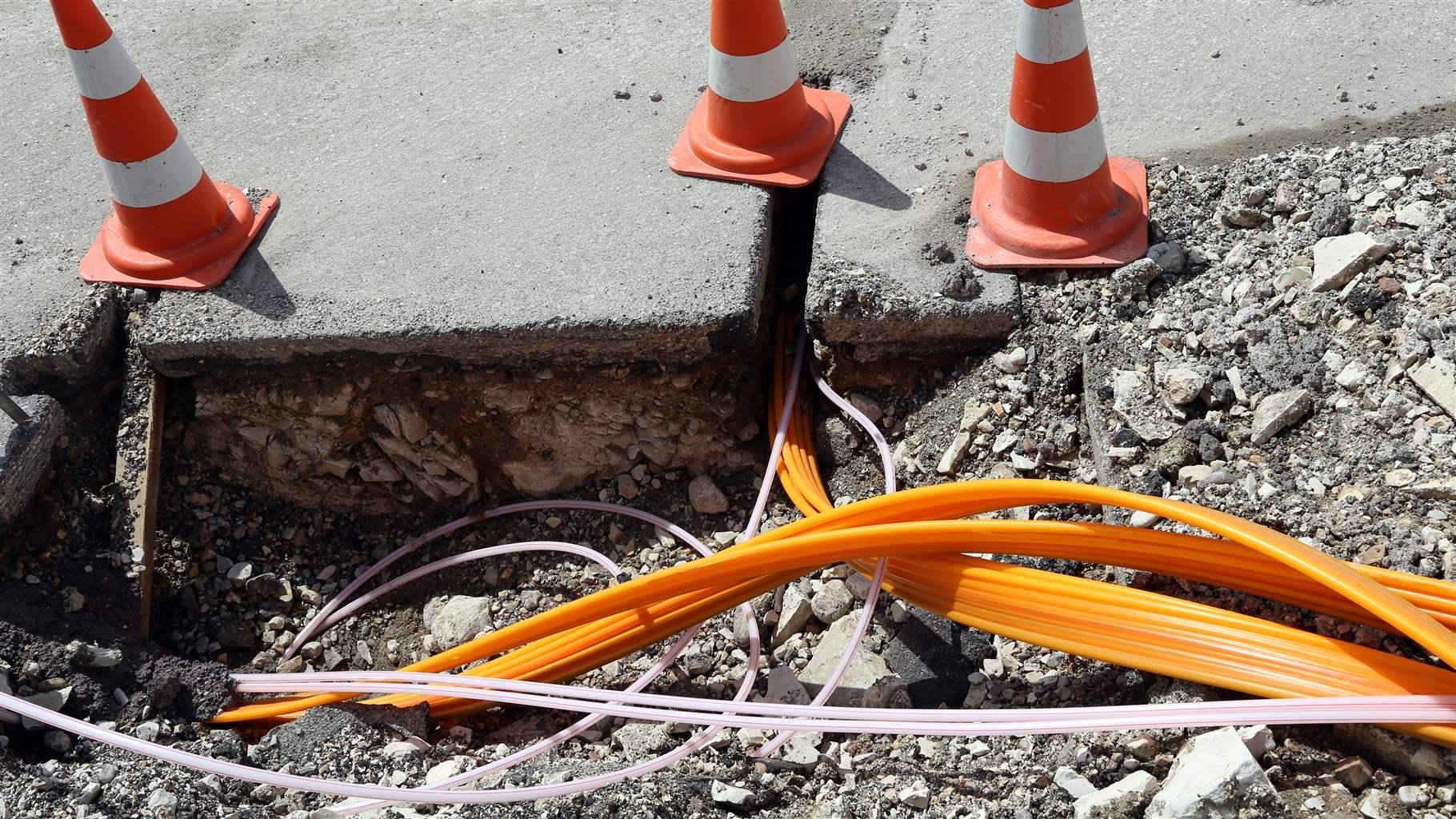
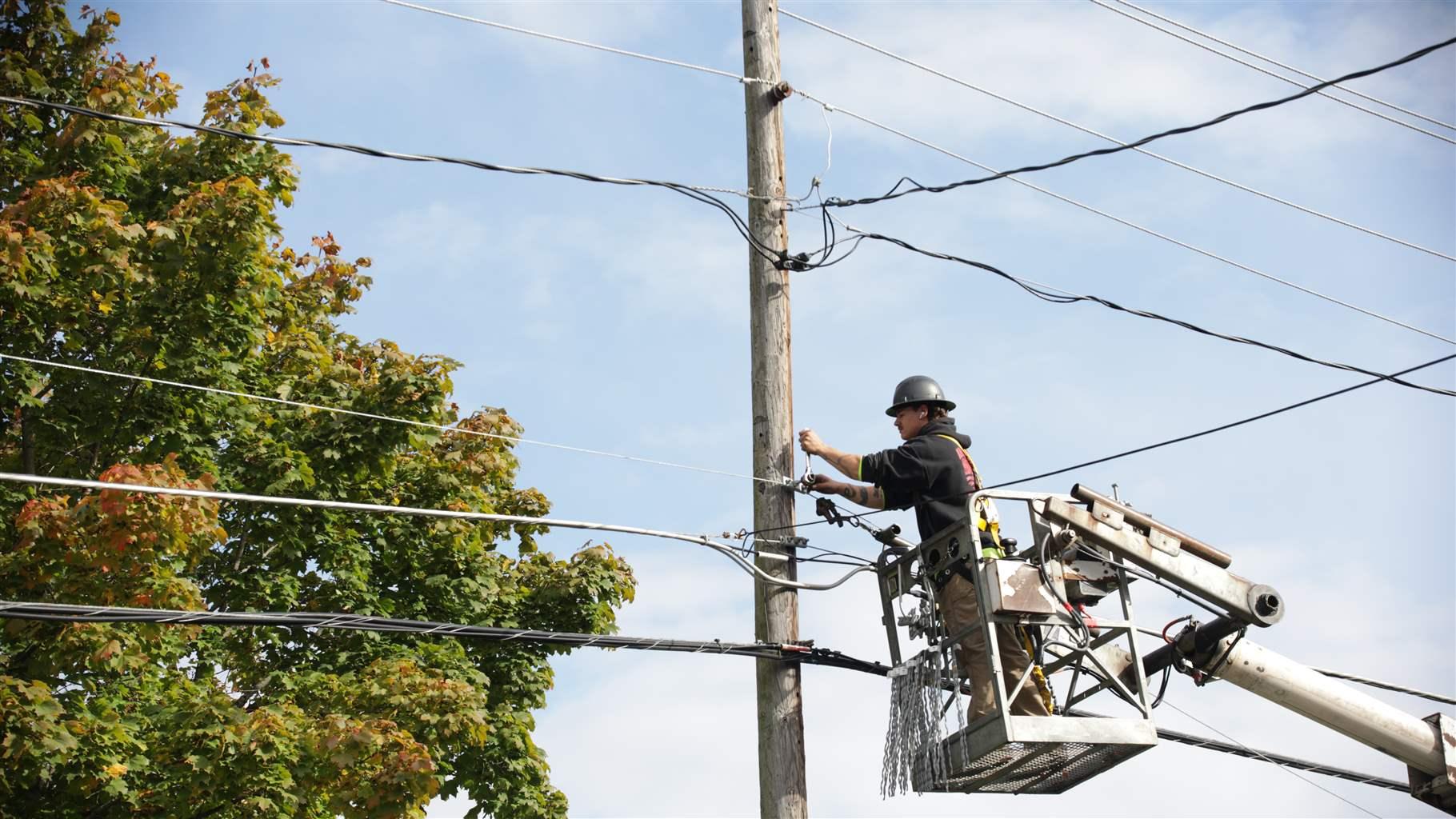
Two leading barriers emerged: the many federal, state, local, and private permitting processes for constructing new high-speed internet networks and the availability of trained workers. Given how both challenges can involve federal, state, and local governments, they cannot always be fully addressed at the state level. Still, there was progress in 2025: Legislatures in Idaho, Illinois, Indiana, and West Virginia all updated their rules governing the broadband construction process to set new timelines and fee structures for permit applications. And in Texas and Kentucky, the state legislatures approved funding for new broadband workforce training programs, with $5 million for Texas’ apprenticeship program to reimburse participating broadband utility engineering and construction companies and $6 million for hiring workers in Kentucky to replace utility poles and manage permits, funding that was originally passed in 2024 and carried forward in 2025.

In addition to preparing for their BEAD projects, states continue to administer their own state-funded programs, including filling in gaps left by federal policies and targeting their own deployment priorities. Pew’s analysis of the 2025 state legislative sessions found that 26 states allocated a combined $1.3 billion to a variety of broadband programs, including new or upgraded networks for homes, small businesses, schools, libraries, and other government buildings.
Virginia appropriated $50 million in 2025 to the Virginia Telecommunication Initiative (VATI), which has awarded broadband grants since 2017. The 2025 allocation commits funding for new deployment projects administered by VATI as well as to accelerate deployment of projects funded by the American Rescue Plan Act of 2021, which must be completed by the end of 2026. The Legislature earmarked $30 million of these funds for additional construction costs, such as permitting fees, for projects that may be at risk of missing the 2026 project deadline.
The Minnesota state Legislature approved an additional $50 million for deployment grants in 2025. Minnesota has operated a state broadband expansion program since 2014 and the state has awarded over $400 million to date, funding broadband connections to nearly 120,000 homes and businesses.
Unlike the federal programs that states administer, state-level programs can be designed to address specific priorities or needs in a given state or community, such as increasing market competition among internet service providers in certain areas or funding the deployment of networks capable of reaching speeds higher than the minimum federal standards. For example, under the Broadband Expansion and Accessibility of Mississippi (BEAM) program, the state statute defines communities that have access to service only from satellite providers or mobile wireless networks as “critical need areas” and therefore eligible for project funding. Some states, including California and Maine, also used their own funding to cover the final costs of connecting homes to existing networks, frequently referred to as “line extensions.”
Following the changes made to the BEAD program in June 2025—shifting which locations are eligible for funding and the type of networks that can be awarded—state-funded programs may have an increasingly important role to play in complementing federal efforts to ensure that all communities are connected.
Broader responsibilities for state broadband offices
As state broadband offices continue to administer both federal and state funding, their functional capacity and authority are key factors in their ability to successfully administer these complex programs.
In 2025,13 states dedicated new administrative funding for their broadband offices, charging them with new responsibilities such as collecting data from internet providers on subscriptions and service areas, publicly reporting on the progress being made by their programs, and offering enhanced resources to support network construction. For example, a new law in Colorado requires the state’s broadband office to expand its technical assistance offerings to help internet providers to apply for and manage grants, including resources for the deployment of new wireless services.
Affordability
The bulk of federal funding in recent years has focused on building networks to reach communities without access to high-speed internet service. However, affordability of service remains a barrier to closing the digital divide—high costs of monthly service can prevent a household from subscribing or staying connected. These factors, referred to as “adoption rates” and “subscriber churn,” can also determine if providers deliver new or upgraded service in higher-cost communities. In 2025, several state legislatures took steps to address this challenge.
Oregon passed legislation allowing the Oregon Public Utility Commission to increase the support offered to low-income customers through its state Lifeline program. At the federal level, the Lifeline program offers a $9.25 monthly discount on phone and internet bills for eligible low-income households. Under the new bill, eligible households in Oregon can receive an additional broadband discount of up to $24.95 per month, or $49.95 on Tribal lands, and, for the first time, receive a $100 discount when buying a computer. In February 2026, two other states adopted similar policies: California launched a new Home Broadband Pilot and New Mexico passed a Low-Income Telecommunications Assistance Program. Based on Pew’s analysis, there are now nine states that increase the discount their residents can receive from the federal Lifeline program on internet services.
Connecticut also instituted new affordability requirements for providers. Passed in June 2025, its legislation requires providers that contract with the state to offer a low-cost plan of $40 per month or less to eligible households. The requirement will take effect on Oct. 1, 2026. In January 2025, a similar law went into effect in New York, which requires providers serving more than 20,000 customers throughout the state to offer service at $15 or $20 per month. Prices are based on minimum speeds and available to low-income and other qualified households.
Looking ahead
Several state legislatures are actively working on broadband issues in 2026. This includes bills introduced in Maryland and Illinois to address affordability; proposals to change the regulatory landscape for providers in West Virginia; and an extension of Missouri’s broadband program, which is set to sunset in 2027. States are also already weighing bills that could alleviate future challenges for their BEAD projects, including a bill in Kansas adjusting the process for when broadband projects intersect with railroad crossings and a bill in New York on how utility poles are managed.
Over the next few years, there will be clear opportunities for state policymakers to support the next steps in their state’s BEAD programs and to continue to address the state-level policies that govern and enable access to affordable, reliable, high-speed internet throughout their states.
Jake Varn leads education and training efforts for state broadband offices for The Pew Charitable Trusts’ broadband access initiative.
People