11 States That Stepped Up on Disaster Resilience in 2025
Innovative policies—and funding—are helping communities save lives, reduce costs, and minimize disruptions
Editor’s note: This article was updated Jan. 8, 2026, to clarify the total grant awards for Massachusetts’ Municipal Vulnerability Preparedness Program
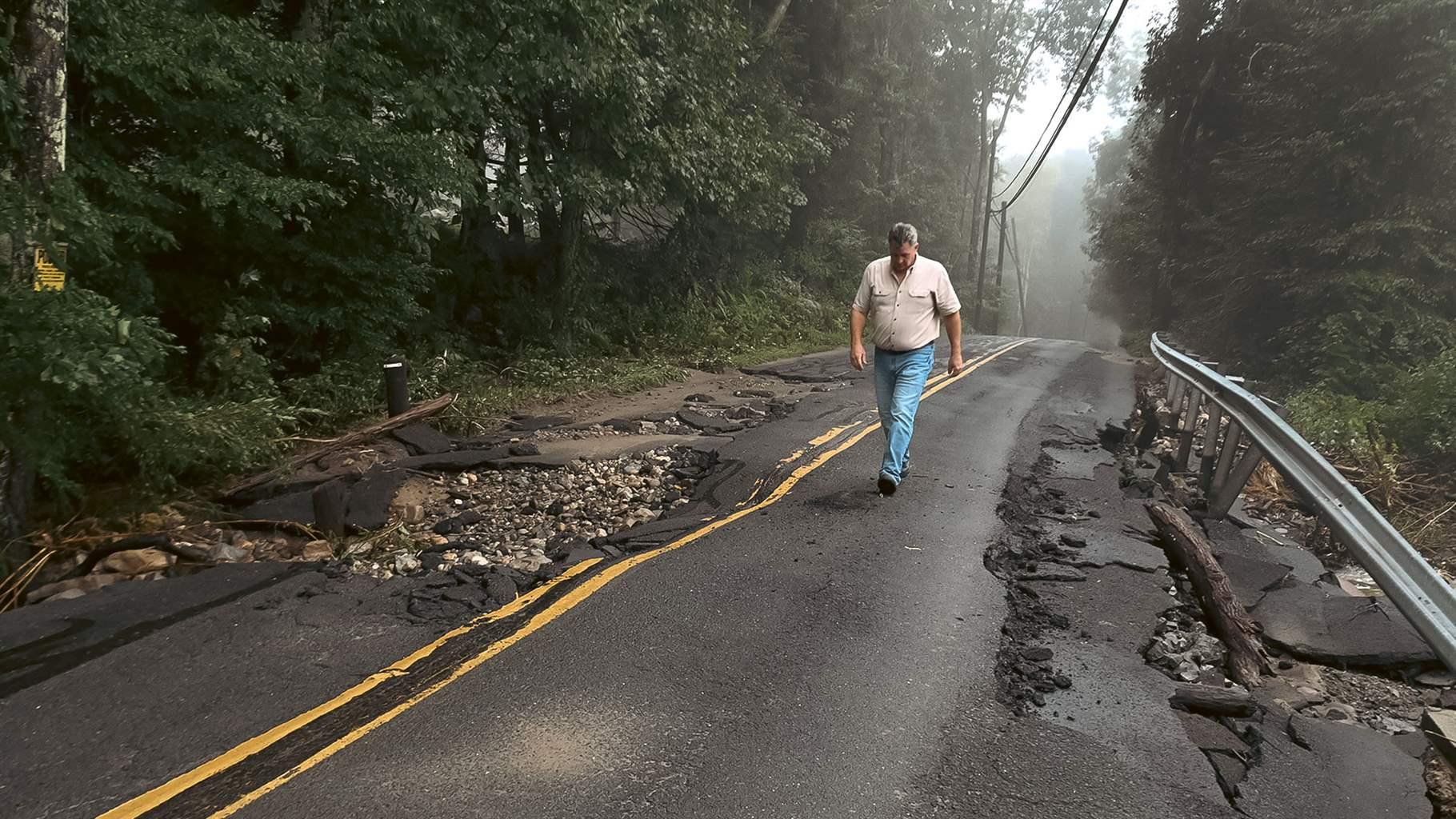
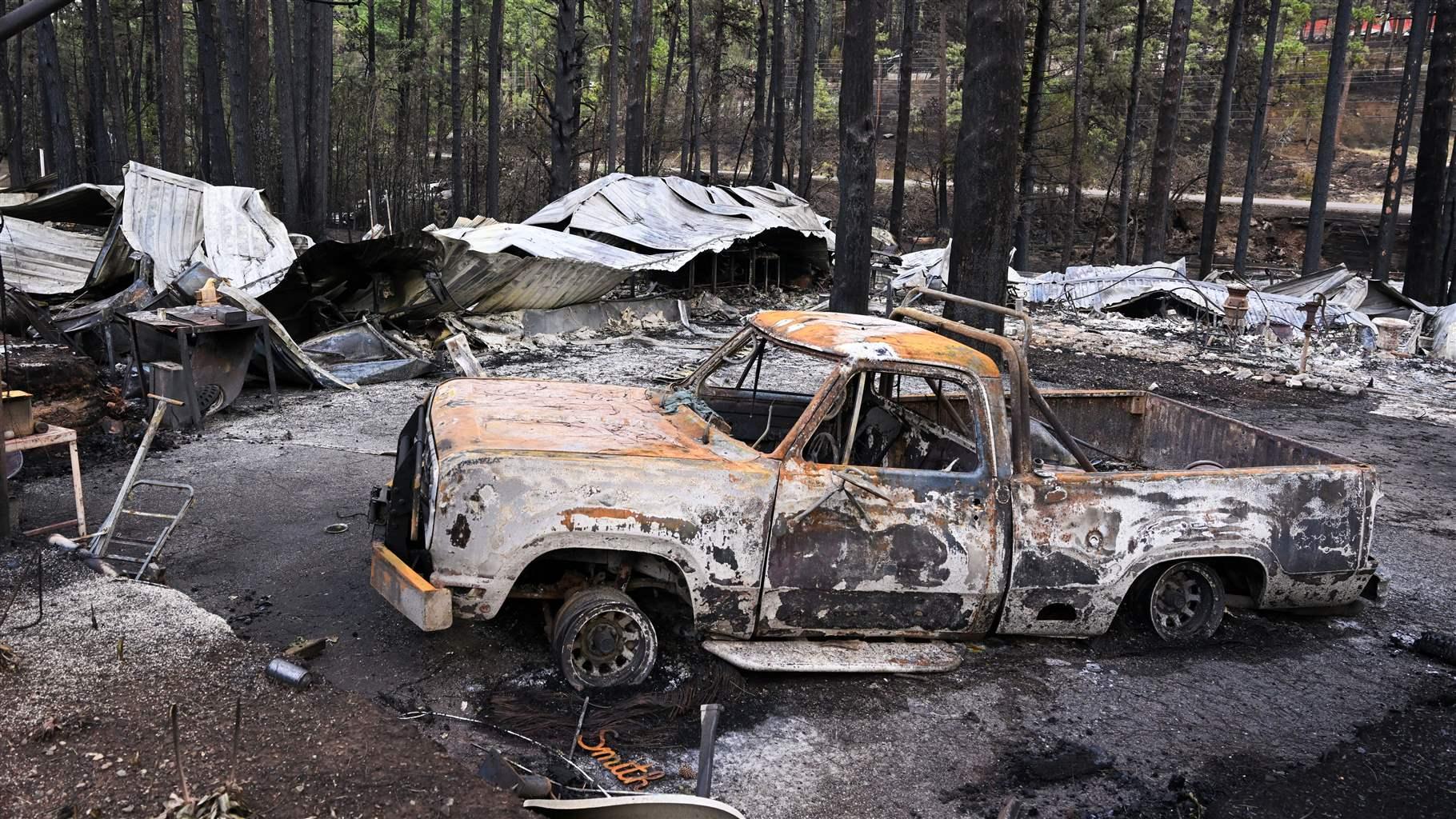
As the destruction and costs from weather- and climate-related disasters in the U.S. continued to rise in 2025—the Los Angeles wildfires alone caused over $60 billion in damage, the most expensive wildfire in U.S. history—more states are cultivating resilience expertise and investing in projects to reduce risk.

Here are some highlights of these state efforts:
- Arizona took a first-of-its-kind approach to heat safety in the workplace that builds on the state’s 2024 Extreme Heat Preparedness Plan. Governor Katie Hobbs’ (D) Executive Order 2025-09 creates the Workplace Heat Safety Task Force, which in turn will draft “heat guidelines” for employers to keep employees safe, even on the hottest days, starting in summer 2026.
- Connecticut formed a Severe Weather Mitigation and Resiliency Advisory Council, which released recommendations for how state-led programs can help homeowners, renters, and small businesses be more resilient to disasters—including through expanded programs that harden homes against wind and flood damage and improved risk communication. Governor Lamont (D) signed into law legislation that requires Connecticut communities to account for disaster risks in local planning, facilitates investments in resilience, and encourages more resilient transportation infrastructure.
- Florida is tapping new funding for resilience generated from the Seminole Tribal Compact and awarded $150 million—through the Resilient Florida Program—to local communities to help them better manage flood risk, including through improved drainage systems and upgraded wastewater treatment.
- Hawaii is generating climate resilience funding through a “green” tourism tax and expects to raise $100 million annually for projects such as firebreaks, erosion control, and infrastructure upgrades.
- Massachusetts released the new ResilientMass Metrics framework, produced with extensive stakeholder input, to transparently track progress on implementation of the ResilientMass Plan. The state also allotted $3 million in resilience planning grants and more than $28 million in action grants to municipalities and regional groups through the Municipal Vulnerability Preparedness program.
- New Jersey finalized updates to land use and development standards to protect communities and ecosystems from growing risks, particularly inland and coastal flooding. The state Department of Environmental Protection expects to adopt the coastal flooding rules by January 2026, which will help officials make better-informed decisions about new development based on flood and sea-level rise risks.
- North Carolina launched a Planning for Extreme Heat Cohort, to support communities in monitoring local conditions, identifying who is the most at risk for heat illness, and reducing heat-related risks. The virtual learning community, led by the State Resilience Office and State Climate Office, will guide local leaders through the application of North Carolina’s Heat Action Plan Toolkit.
- Rhode Island enacted a bill to create the Resilient Rhody Infrastructure Fund to support local climate resilience projects, including long-term financing for stormwater mitigation, coastal erosion control, floodproofing, and urban green space.
- Vermont released its inaugural Resilience Implementation Strategy, a specific, measurable, and prioritized roadmap to resilience. The strategy is the culmination of Governor Phil Scott’s (R) 2024 initiative and catalogs current resilience-related work by state government while identifying near- and long-term actions needed to enhance resilience. Implementing the full strategy would cost about $270 million in one-time funds and $95 million annually.
- Virginia, under Governor Glenn Youngkin (R), appointed the state’s first standalone Chief Resilience Officer (CRO) and fully staffed its Office of Commonwealth Resilience. The CRO is charged with convening an interagency team to support coordination, planning, and implementation of resilience efforts. Virginia also announced $67 million in grants and loans for community resilience.
- Wisconsin renewed support for a Pre-Disaster Flood Resilience Grant program with $2 million in additional funding to help flood-prone areas identify flood vulnerabilities such as erosion hazards or potential road washouts. The funds also help communities and regional planning commissions manage flood risk by implementing solutions to restore or improve the natural flow of water, such as by reconnecting eroded streams with a flood plain and restoring wetlands.
As these examples show, 2025 was a pivotal year for state resilience efforts. In 2026, state governments can build on this progress by strengthening interagency coordination, updating crucial data and planning documents, and pursuing innovative approaches as well as investing in proven solutions.
States at all stages of building resilience can draw upon the approaches that are yielding results across the country. As more states join in this effort, communities across the U.S. will be safer, stronger, and more prepared when disaster strikes.
Kristiane Huber is an officer and Alexandra Mamontoff is a senior associate who work on climate resilience initiatives for The Pew Charitable Trusts’ U.S. conservation project.
People


