


These explorations have provided a springboard for medical advances including vaccines for measles and polio, insulin for diabetes, antibiotics for infections, medications for high blood pressure, and new strategies to treat and prevent cancer.
Pew has a decades-long commitment to support groundbreaking research by promising early-career biomedical scientists in the United States and Latin America. Our multiyear grants encourage informed risk-taking and collaboration among researchers.
These 36 Scientists Are Leading the Way to Biomedical Discoveries
On June 16, Pew announced the 2026 class of Pew Scholars Program in the Biomedical Sciences, Pew Latin American Fellows Program in the Biomedical Sciences, and Pew-Stewart Scholars Program for Cancer Research. These researchers will receive multiyear grants and join a community of more than 1,000 scientists who are taking creative approaches to cancer biology, neuroscience, immunology, and more.
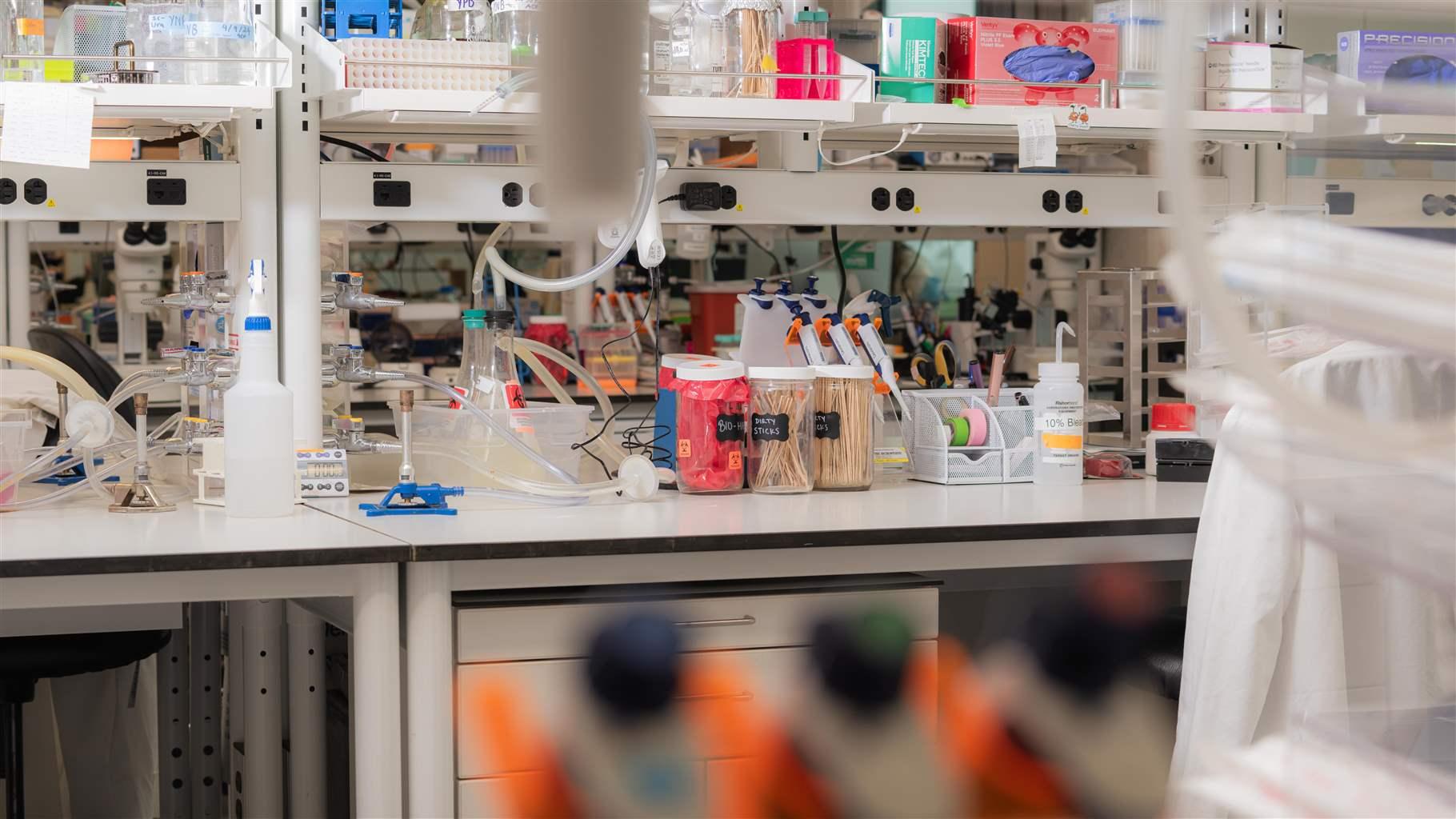
Watch: Pew Scholars in Action
Pew’s biomedical programs support early-career investigators pursuing bold research with the potential to transform human health. Over four decades, three programs have fostered a global network of more than 1,000 pioneering scientists who innovate, mentor, and inspire. Hear from the people—and research—that make up Pew’s biomedical community.

How Targeted Therapy Is Changing Cancer Treatment
This year, more than 2 million Americans will hear the words "you have cancer." That's 5,500 people each day—about one every 15 seconds. And as upsetting as that phrase might be, even more distressing is the word that often comes next: chemotherapy.
Trend Magazine
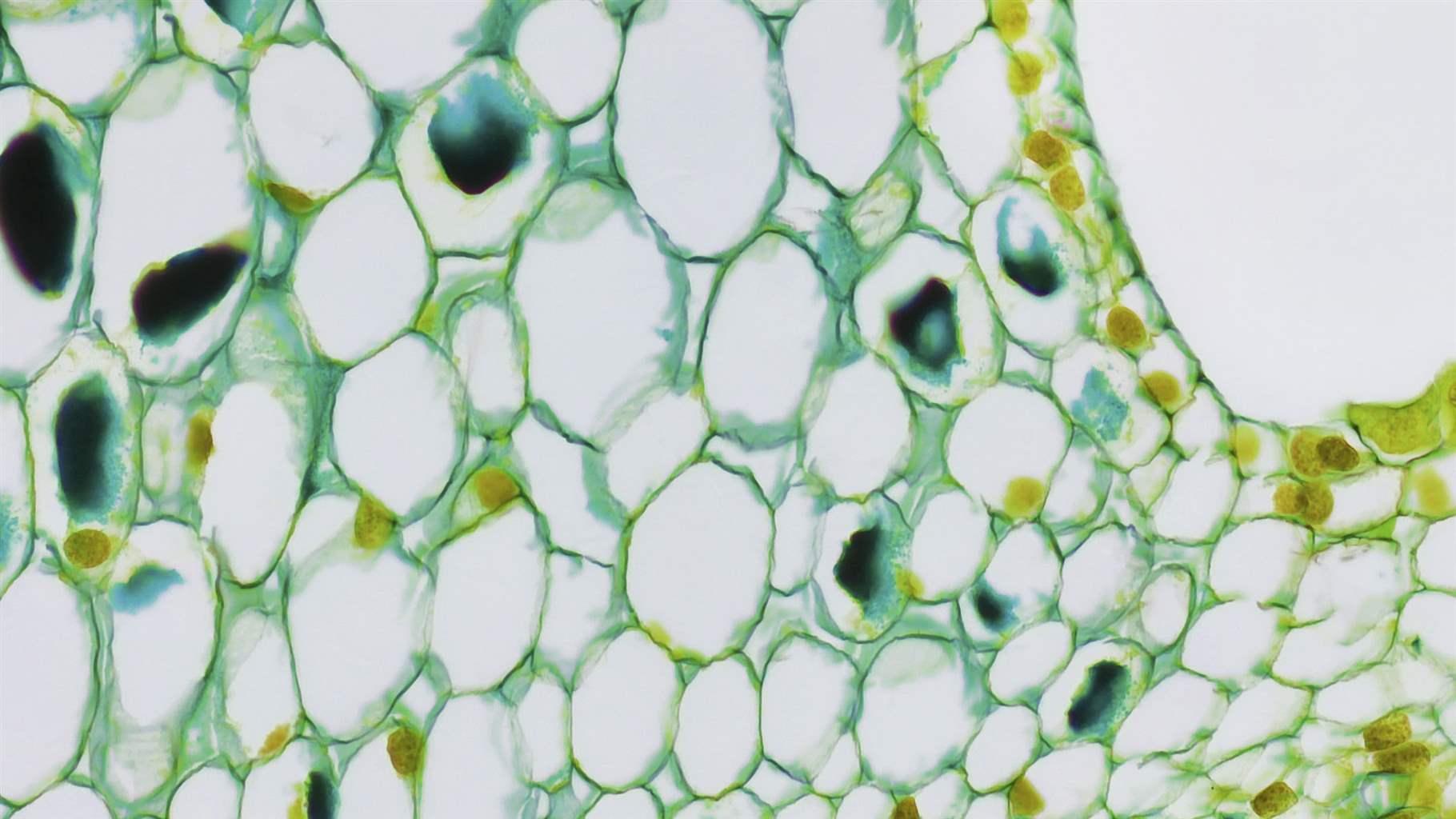
7 Research Teams Collaborate to Transform Biomedical Science
Collaboration powers scientific discovery. Now 14 accomplished researchers are teaming up to lead such a charge as The Pew Charitable Trusts’ 2025 Innovation Fund investigators. The new class, announced Dec. 9, brings together pairs of leading scientists whose studies span immunology, cancer biology, biophysics, and more. Through their interdisciplinary partnerships, these investigators will explore creative research projects at the forefront of health and medicine.

A Small Worm Offers Big Clues About the Human Immune System
Human immune systems are intricate disease-fighting networks that begin forming in utero—in the womb before birth—to keep us healthy. Research shows that a mother’s environment and exposures during pregnancy can significantly affect how an infant’s immune system develops.
Media Contact
RELATED PROJECTS

