States Respond to Changes in Federal Funding
Focused efforts can help them better manage risk and uncertainty
In 2025, shifting federal priorities put in flux the funding that states rely on for a wide range of government-supported programs. In the face of this uncertainty, state officials have acted—amending budgets, analyzing potential impacts, and adjusting policies and practices to meet the moment.
Some state lawmakers have taken this opportunity to better analyze the role that federal funds play in state budgeting and policymaking. For example, Vermont officials convened a task force in January 2025 to track federal policy changes and make recommendations on how the state could protect and enhance its economy and improve policies for residents and businesses. The task force concluded its work in July with a final report to the treasurer stating that the state’s reliance on federal transfers makes it “clear that ongoing attention will be needed to prepare for and mitigate emerging challenges to Vermont’s economy.”
In Montana, the Legislature budgeted contingency funding for potential supplementary meetings of the Legislative Finance Committee, allowing for additional opportunities to discuss and adjust to the impacts of federal funding changes.
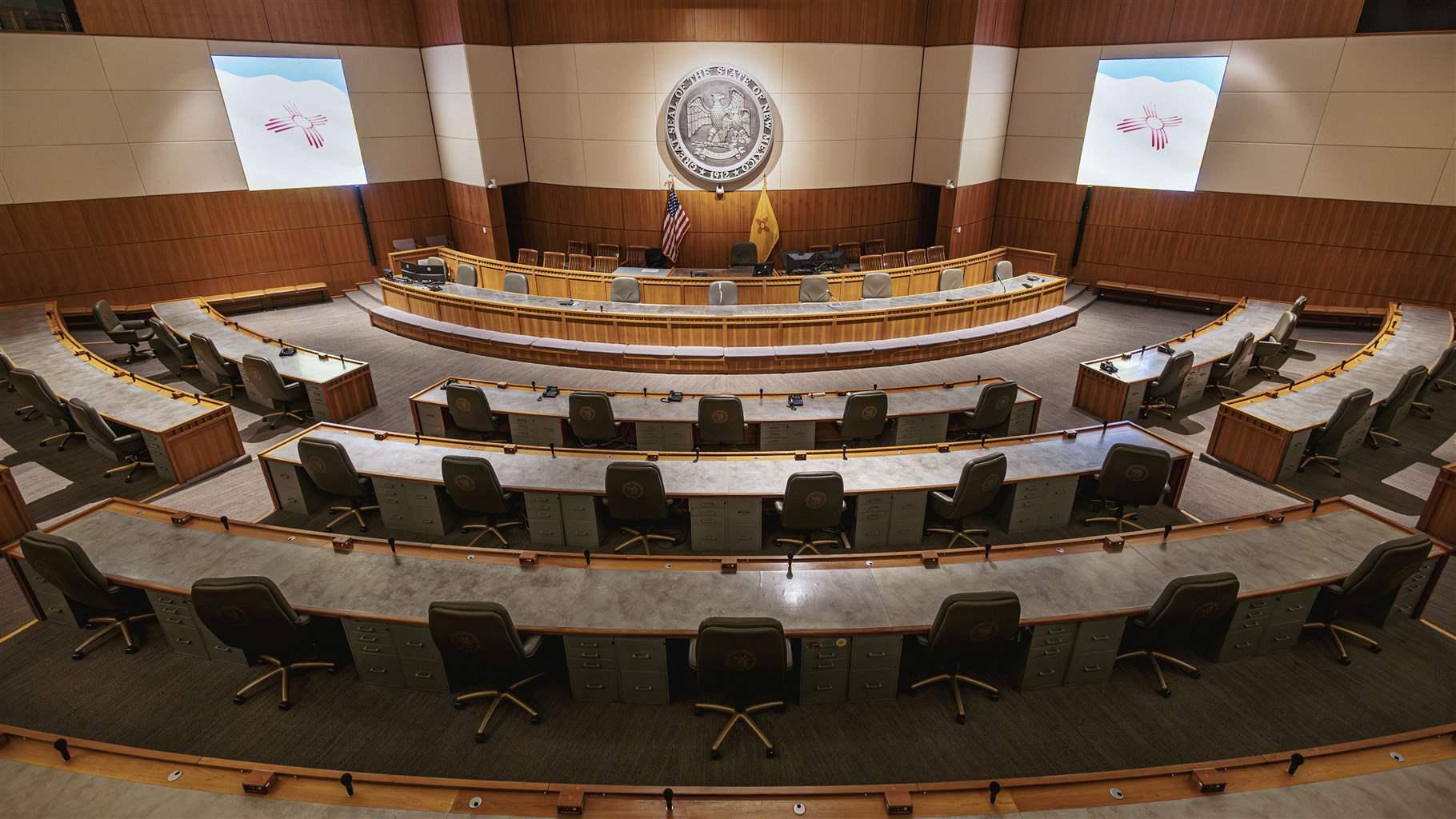
One of the most comprehensive efforts occurred in New Mexico, where legislators established an interim subcommittee to assess challenges and opportunities related to the federal funds that the state receives. The Federal Funding Stabilization Subcommittee held six meetings over seven months, giving members a deeper understanding of the various federal funding streams that support state programs and policymaking. These include major recurring funds for Medicaid and Title 1 education grants as well as large one-time appropriations, such as money from the American Rescue Plan Act and the Bipartisan Infrastructure Law. The committee work helped members to assess vulnerabilities and potential courses of action in the face of changing federal policy.
In public meetings, legislators expressed appreciation for the opportunity that the subcommittee granted them to track and focus on “federal action that falls outside regular session and budget cycles, shifts affecting multiple agencies at once … and major federal laws and rule changes for statewide impact, timing, and long-term fiscal [impacts].”
They also cited the broad focus of the subcommittee as a unique venue for giving legislators “an ability to spot cross-agency vulnerabilities and funding gaps and emerging federal opportunities.”

A number of members expressed interest in either extending the committee or making it permanent, citing reasons including the potential to improve access to grants; more clearly comprehend the role of federal funds in state budgeting; better understand timelines for federal funds and when federal policy changes will affect the state; and raise public understanding of how the state depends on federal fiscal support.
By making the committee permanent, the New Mexico Legislature would align with Pew recommendations for states to enhance their management practices around federal funds. Specifically, the existence of a permanent Federal Funds Stabilization Subcommittee connects with Pew’s findings that taking proactive steps to better understand federal funding and what it pays for can help state officials manage their funding sources and plan for disruptions or uncertainty around that funding. And while there are a number of ways to implement these practices, a permanent committee dedicated to federal funds would help with funding transparency as well as strategic coordination to advance state priorities.
As lawmakers and budget officials across the country work to address complexity and uncertainty about their federal funding streams, practices such as New Mexico’s can help states tackle this dynamic set of challenges.
Rebecca Thiess works on The Pew Charitable Trusts’ managing fiscal risks project.
People