How States Are Stepping Up to Protect Their Fresh Water
Lakes, rivers, and wetlands are threatened by pollution and development, but bold conservation policies offer hope
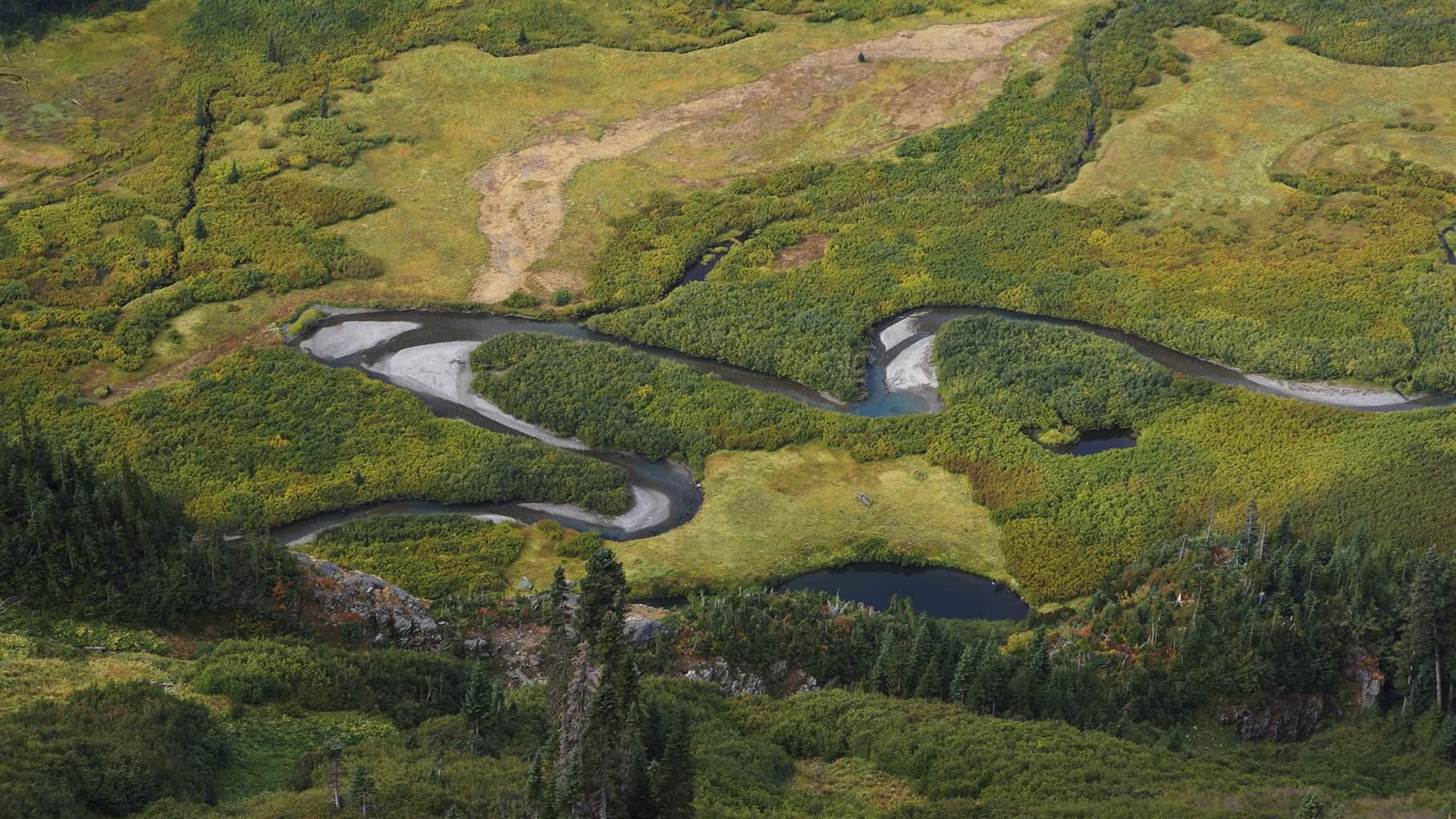
Seventy percent of the Earth is covered by water, but only 2.5% of that is fresh water.
The world’s rivers, lakes, and wetlands supply clean drinking water, provide vital habitat for wildlife, and support agriculture, tourism, and the fishing industry.
Yet these bodies of water face threats ranging from pollution to development to extreme weather. As awareness of these threats grows, several states are taking bold steps to protect their freshwater sources.
Across the U.S., Pew has supported states’ efforts to protect and restore bodies of fresh water through policies that support the long-term conservation of these systems. As other states explore possible solutions to their freshwater threats, here are some recent approaches from around the country that they could consider:
- Strengthening waterways through top‑tier protections. Several states have granted special protective designations to waterways, including naming them as Outstanding National Resource Waters—the highest level of protection for water quality. This designation helps to prevent future harm from pollution, mining, and other damaging activities. Since 2022, New Mexico has protected nearly 400 miles of rivers and 43 wetland acres, including parts of the Rio Grande, a river that supplies water to more than 5 million people across Colorado, New Mexico, Texas, and Mexico. In the same time frame, Colorado protected about 900 miles of rivers and their associated wetlands across the western part of the state. And in 2023, Washington protected nearly 1,000 river miles to preserve wildlife habitat and sources of clean drinking water, along with places for current and future generations to fish, hunt, and enjoy other outdoor recreation.
- Reconnecting waterways by removing barriers to fish migration and water flow. Only 2% of the country’s 3 million miles of streams and rivers are free-flowing and undeveloped, so multiple states are working to remove barriers that impede fish migration and water flow. Removing dams, retrofitting culverts, and other efforts improve drainage and allow natural systems such as wetlands and flood plains to better absorb or divert floodwaters while reducing public safety risks from poorly maintained water infrastructure. Connected ecosystems are important for migration and spawning of fish and other aquatic life; fragmented habitat can interfere with those long journeys. After Hurricane Helene devastated parts of North Carolina in 2024, state lawmakers created a $10 million Dam Safety Grant Fund to repair or remove damaged dams as part of a larger disaster relief package. The effort will contribute to improving public safety and better water flows that benefit ecosystems.
- Advancing statewide water safeguards and pollution protections. In 2025, Colorado and New Mexico catapulted to the forefront of conservation nationwide when they bolstered state protections and programs. Colorado adopted a regulation to safeguard the state’s waterways from pollution caused by unregulated development. This new policy will preserve drinking water for millions of Coloradans, bolster defenses to wildfire and flooding, protect carbon-rich wetlands, help to sustain the state’s outdoor recreation economy, conserve wildlife habitat, and provide guidance for businesses and individuals seeking to develop property. In 2025, New Mexico governor signed legislation that set up a state program to prevent and address pollution in local waters. Meanwhile, Washington is pursuing action that is similar to Colorado’s.
- Securing water for people and nature through flexible water rights. New Mexico also established a permanent strategic water reserve. This authorized the state to lease surface or groundwater rights from willing holders, or to accept donated rights, for uses including aquifer recharge, maintenance of stream flow, and ecological or cultural benefits. Last year, lawmakers in Montana renewed a law that lets people temporarily lease their water—often to keep it in rivers—without losing ownership of their rights because they didn’t use the water allotted to them. This makes it easier for water users to help maintain healthy stream flows while protecting their ability to use that water in the future. A law in Nevada enables groundwater rights holders to voluntarily relinquish or sell their rights—particularly in over-pumped basins—so that the state can retire those rights and reduce long-term aquifer drawdown.
States have the tools to protect the freshwater sources that sustain their communities, economies, ecosystems, and wildlife. Leaders should continue to build on the growing momentum nationwide to protect these vital waterways and ensure their conservation for generations to come.
Patrick Lane, Carrie Sandstedt, and Brett Swift work on water issues for The Pew Charitable Trusts’ U.S. conservation project.
People


/16x9_m.jpg?mw=1820&hash=4C8AC0442DCF39C08321E82F1DA91C38)


