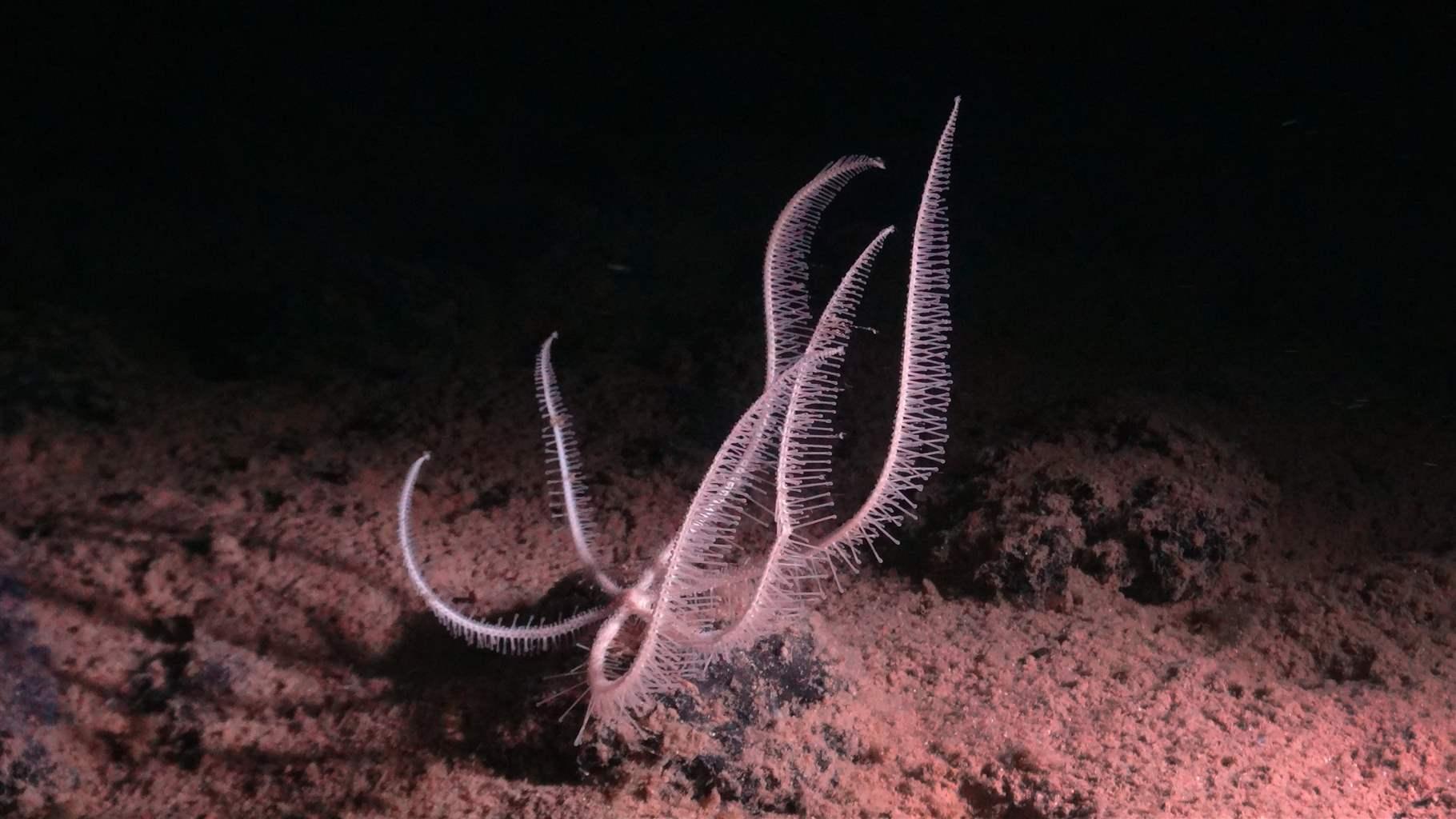


Underwater mountain chains teem with fish, corals, and other fauna. Hydrothermal vents gush mineral-rich waters that support communities of deep-sea organisms. Vast plains, once thought to be ecological deserts, boast significant biodiversity and remain one of the last intact wildernesses on our planet. Unusual animals, the majority of which have yet to be identified, roam these surreal landscapes.
However, the deep ocean faces threats as governments and companies position themselves to mine mineral deposits on (or beneath) the deep seabed, more than half of which lies beyond national jurisdiction. History suggests that unregulated exploitation of this environment could have disastrous effects. Many deep-sea organisms are extremely slow growing and may take centuries to recover from damage, if they come back at all.
The International Seabed Authority, established in 1994 under the United Nations Convention on the Law of the Sea, is developing rules to regulate seabed mining activities in areas beyond national jurisdiction.
Deep seabed mining should not take place unless we have the scientific knowledge in place to ensure robust protection of the deep ocean’s sensitive ecosystems and the resources they provide. Pew is advocating for strong and enforceable environmental safeguards to ensure the effective protection of this marine environment.

Seabed Mining Moratorium Is Legally Required, Experts Find
A healthy deep ocean is essential for the well-being of both humans and the environment. It serves as a carbon sink, storing large amount of human-generated carbon dioxide, and is home to a vast array of unique and diverse species, many of which have yet to be identified.

World Lacks the Ability to Govern Deep-Sea Mining
Despite continued negotiations in 2024, the regulatory framework meant to govern commercial-scale deep-sea mining is still years from being finalized by members of the International Seabed Authority (ISA), the United Nations-affiliated body tasked with governing the mineral resources of the ocean floor in international waters.

Deep-Sea Mining Regulations, Far From Complete
Even as various companies and governments advance their plans to mine the deep seabed in international waters, the intergovernmental organization that regulates such activity is woefully short on the rules it needs to carry out its obligations.

Deep-Sea Mining Threatens Ocean Health—and Fisheries
The deep sea and seabed are irreplaceable, home to complex and vulnerable ecosystems, and an array of life, much of it yet to be identified by science. But for nearly two decades, a number of governments and businesses have been working to open the deep seabed to mining in international waters. These proponents say that the deposits of cobalt, nickel, manganese and lithium on and beneath the seafloor could help supply industries ranging from those that produce smartphones to ones that manufacture electric vehicle batteries. They further argue that deep-seabed mining would have only a negligible impact on marine life.
Media Contact
RELATED PROJECTS

