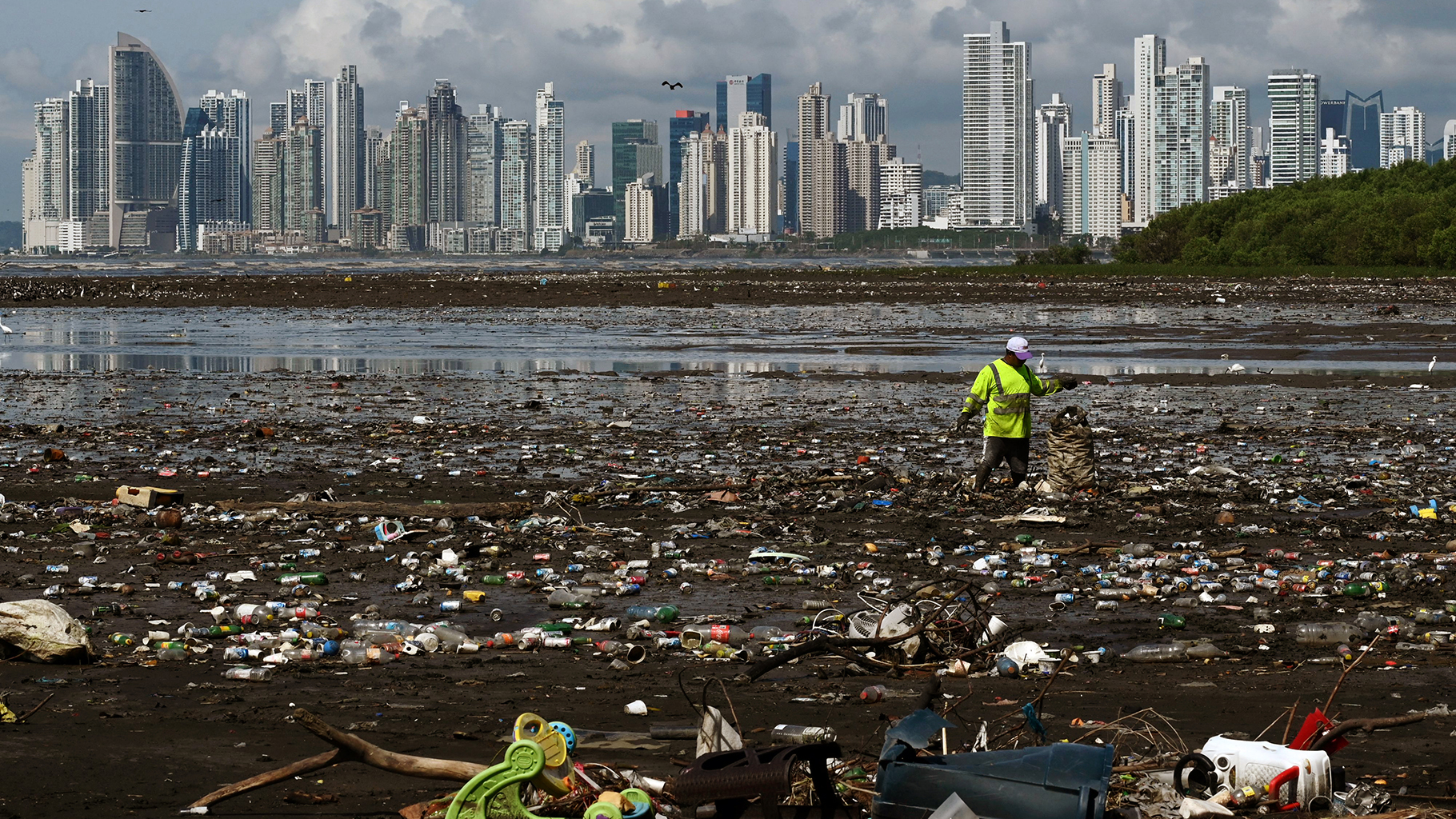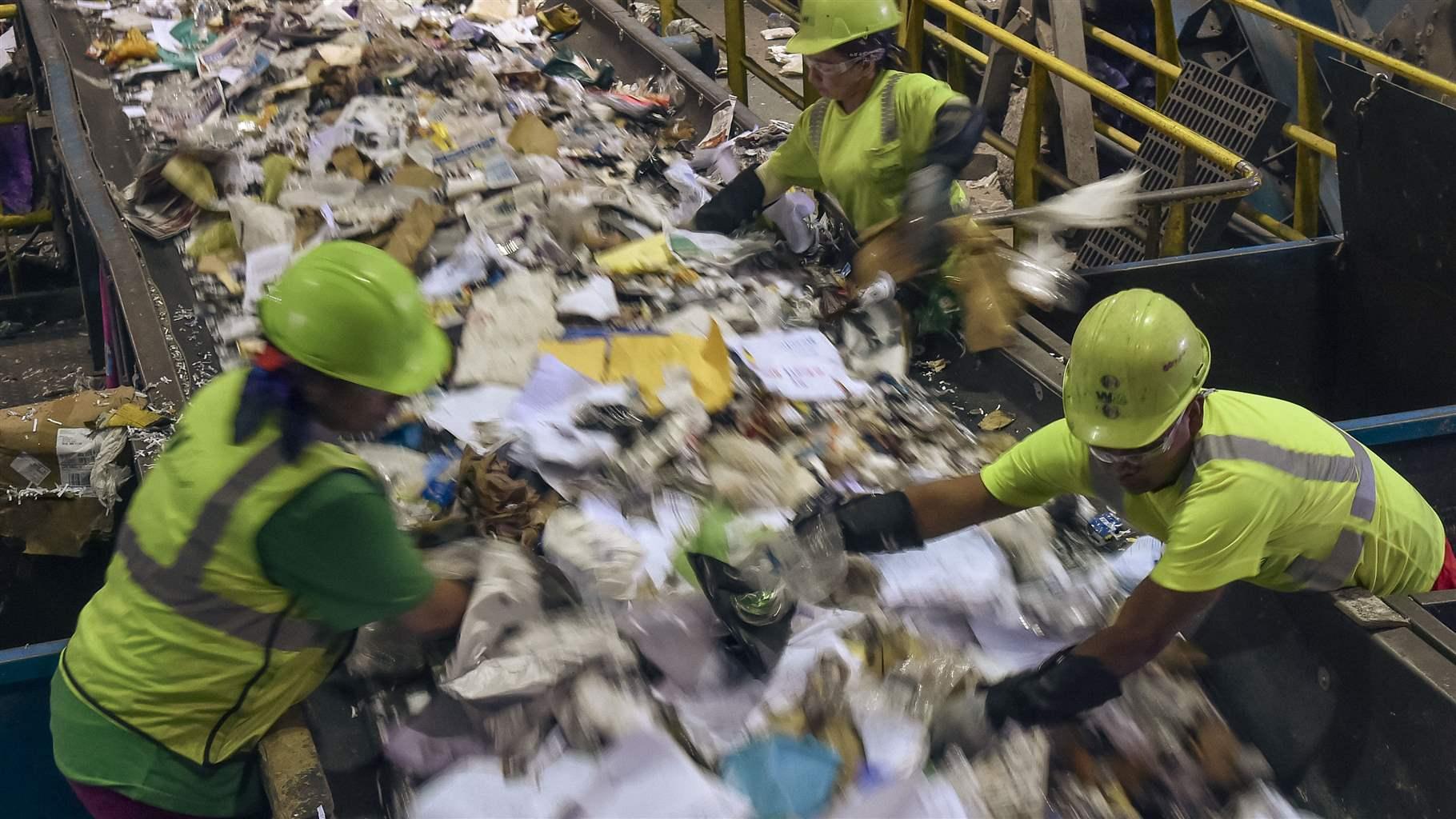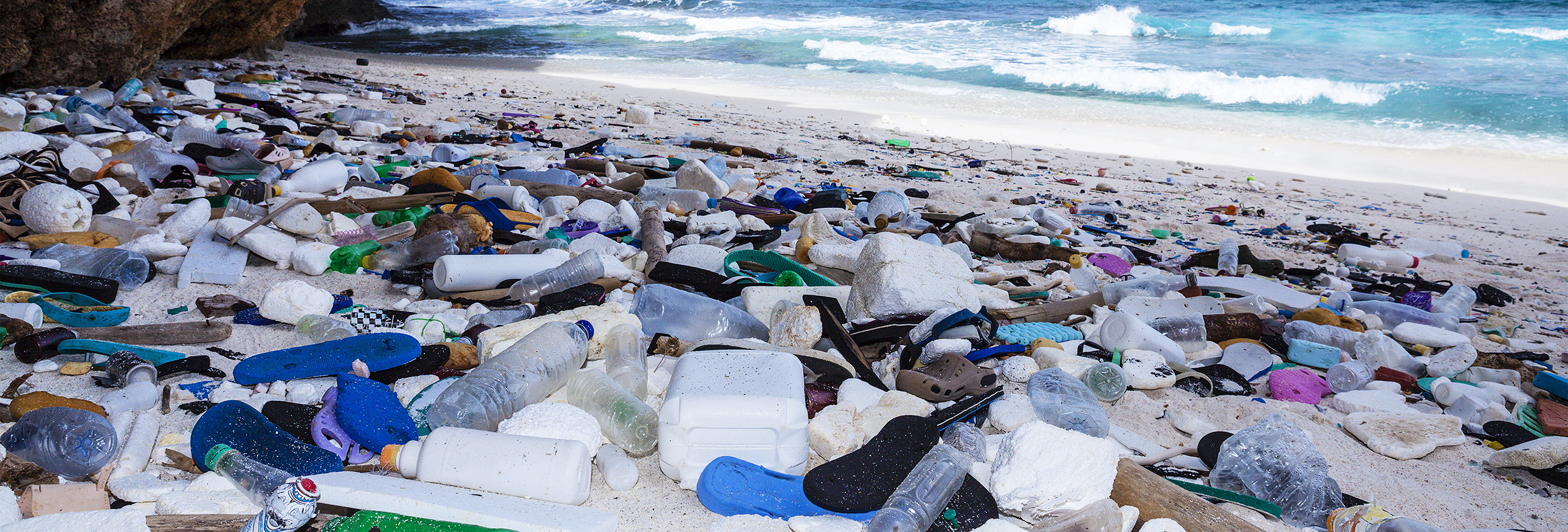
The global plastic system and the pollution it creates have far-reaching consequences for the environment, economies and human health. Plastic litters the deepest depths of the ocean and the highest mountain peaks, and microplastics have been found in human lungs, blood, brains and even the placentas of unborn babies. Exposure to plastic has already been linked to serious health issues including heart disease, asthma and cancer.
Research by The Pew Charitable Trusts shows that, without action, plastic pollution will more than double by 2040 – reaching the equivalent of nearly a garbage truck’s worth entering the environment every second. But using existing solutions, this pollution growth could be cut by more than 80% – and almost eliminated from packaging – over the same time frame.
To help achieve a future without plastic pollution and its harms, Pew works with governments, industry, scientists, non-governmental organizations and other groups to better understand this global problem and implement impactful solutions throughout the plastic life cycle, from production to disposal, including:
- Fostering increased private sector accountability and transparency by strengthening and expanding a voluntary plastic disclosure and reporting system.
- Collaborating on ambitious measures in the European Union to reduce microplastic pollution from tyres, pellets and textiles.
- Publishing new research on the sources and magnitude of global microplastic pollution.
- Conducting groundbreaking analyses of the scale and scope of the plastic pollution problem, beginning with “Breaking the Plastic Wave” in 2020 and the updated “Breaking the Plastic Wave 2025: An Assessment of the Global System and Strategies for Transformative Change”.
- Working in the United States to identify and support viable and impactful plastics policies based on the latest research.
- Supporting local partners in countries around the world in developing evidence-based, enforceable and locally relevant policies to turn back the tide on ocean plastic pollution.