How Island Nations Can Harness Tourist Dollars for Conservation
Innovative approaches support people and nature
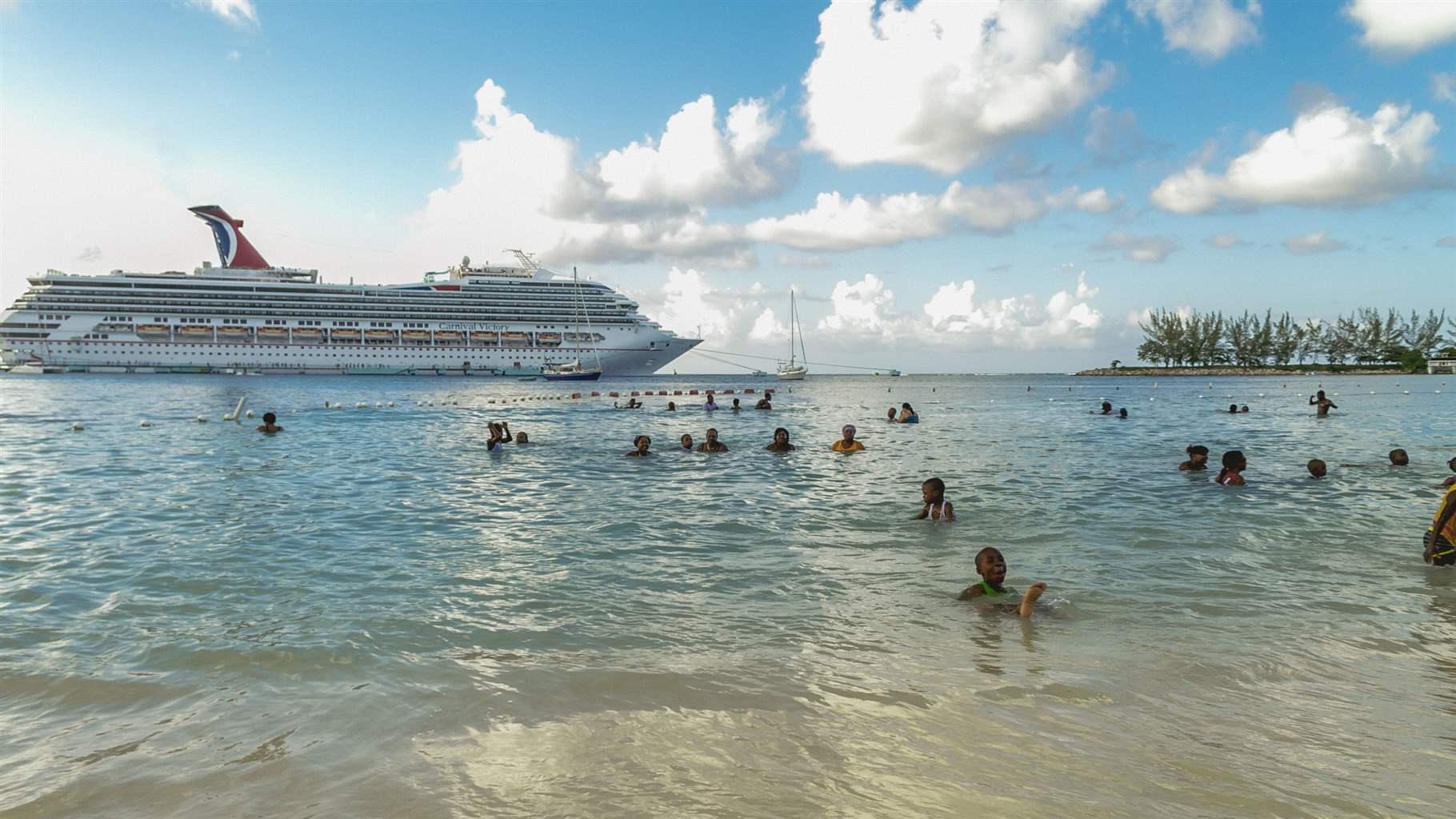
The Small Island Developing States (SIDS)—a group of 57 United Nations members and associate members—are home to 65 million people across 1,000 islands, 20% of global biodiversity, and 40% of the world’s coral reefs. (See Figure 1.) The SIDS share a common set of significant challenges to preservation and protection of the natural marine and coastal treasures their economies depend on.

Financial constraints, including high debt burdens that often exceed 60% of gross domestic product, consume substantial portions of national budgets and leave limited funding for conservation investments, climate adaptation, or environmental management. These debt challenges are exacerbated by small but growing populations that increase demand for housing, infrastructure, and services, and by the effects of climate change—which all put pressure on fragile coastal ecosystems and limited land resources.
The SIDS’ narrow economic bases rely heavily on tourism, fisheries, international trade, and financial assistance from developed nations, making them particularly vulnerable to global economic downturns, natural disasters, or travel disruptions. This creates difficult trade-offs: Governments must choose between short-term economic activities and the long-term sustainability of the very reefs, fisheries, and beaches that their economies depend on.
These compounding pressures make traditional conservation approaches, such as habitat restoration, financially unfeasible for many SIDS, highlighting the need for innovative financing to ensure long-term investment in environmental protection. To that end, across the Caribbean, Pacific, and Indian oceans, SIDS are pioneering systems that transform visitors into conservation partners—moving beyond traditional approaches, such as indirect taxes and tourism-related employment, and adopting earmarked levies, such as departure fees and hotel taxes. (See Figure 2.) These measures provide more predictable, sustainable environmental protection funding by directly linking tourist activity to conservation. Some leading examples:
- Jamaica’s Tourism Enhancement Fund (TEF), created in 2005, is funded by levies of US$20 collected from each incoming airline passenger and US$2 from each visitor traveling by sea. In fiscal year 2023-24, Jamaica recorded about 4.5 million visitors who collectively paid approximately US$60.5 million, of which about $17 million was allocated to TEF to support a range of initiatives, including efforts to encourage “better management of environmental resources.” This allocation is not necessarily for “environmental conservation” per se, but instead for maintaining the tourism product through infrastructure projects (roads, bridges, kiosks) and other non-nature-related activities.
- In 2020, Palau implemented its Pristine Paradise Environmental Fee, a US$100 charge automatically included in the price of every international airline ticket into the country. Each fee collected is subject to a statutory allocation: $10 for the Fisheries Protection Trust Fund; $12.50 distributed among local governments to support environmental management; $22.50 to the national treasury; $25 for Palau International Airport; and $30 to the Protected Areas Network Fund and the Palau National Marine Sanctuary, one of the world’s largest protected ocean areas. Palau expects the levy to have generated about $7 million in fiscal 2025.
- Bonaire uses a two-part system that supports general sustainability and dedicates resources for national park management. The $75 visitor entry tax, introduced in 2022 to replace room and rental car taxes, is paid by incoming tourists either online or at the airport and can be used for a range of infrastructure, education, and island-wide sustainability initiatives. Additionally, a mandatory $40 nature fee is charged to anyone using the country’s waters, such as divers, swimmers, and kayakers, and goes directly to Stichting Nationale Parken Bonaire (STINAPA)—the nongovernmental foundation that manages the national parks. In 2025, Bonaire collected about $14.5 million from the visitor entry tax and roughly $3.4 million from the nature fee.

- The Bahamas started collecting $5 “tourism sustainability” and $2 “tourism enhancement” levies in 2024 for every passenger visiting the country. The fees are expected to generate about $80 million in the first fiscal year for the Tourism Development Corporation of the Bahamas to support conservation and community economic development.
- In July 2024, Aruba launched a $20-per-visitor “sustainability fee” as part of an effort to address critical wastewater infrastructure needs through semi-privatization and tourist-centric funding. By transferring management of the infrastructure assets to the new Aruba Wastewater Sustainable Solutions, the island will finance a comprehensive modernization of its wastewater system to eliminate persistent odors, lower energy consumption, ensure that the system can meet growing demand, and restore the ecological balance of the lagoon that currently receives the wastewater. Although revenue information for the fee is not yet publicly available, Aruba drew more than 1.3 million visitors from November 2024 to November 2025.
- The Maldives doubled its “green tax” to $12 per person per night for most visitors staying at most hotels and resorts in January 2025. The revenue flows into a government fund for preserving the marine ecosystem and upgrading infrastructure, including waste management and drainage systems. The government expects to collect about $62.5 million from the tax in 2025.
As SIDS explore innovative conservation financing mechanisms, they also can sustain their success by emphasizing:
- Transparency and earmarking. Clearly designating how revenue is used is crucial for building trust, addressing industry concerns about effects on tourism, and allowing visitors to see where their money goes.
- Strong governance. Using mechanisms such as conservation trust funds, which are independent of government control, can safeguard against money being used for unintended purposes.
- Stakeholder engagement. Transparently involving the tourism industry and local communities in decision-making about how funds will be used can improve participation and equity.
- Accountability. Conducting independent audits of funds collected, ensuring allocation of moneys to agreed measurable outcomes, and requiring independent verification of funded activities can transform vague conservation goals into demonstrable results, enhance accountability, and build trust among stakeholders.
Tourism and resource levies offer more than revenue streams. By requiring those who benefit from healthy marine ecosystems to invest in their protection, these mechanisms can fundamentally realign ocean use with conservation needs, close critical financing gaps, and strengthen economies and communities.
Neel Inamdar is a senior officer with The Pew Charitable Trusts’ conservation support project, and Peter Edwards is an officer with Pew’s conservation science project.
People