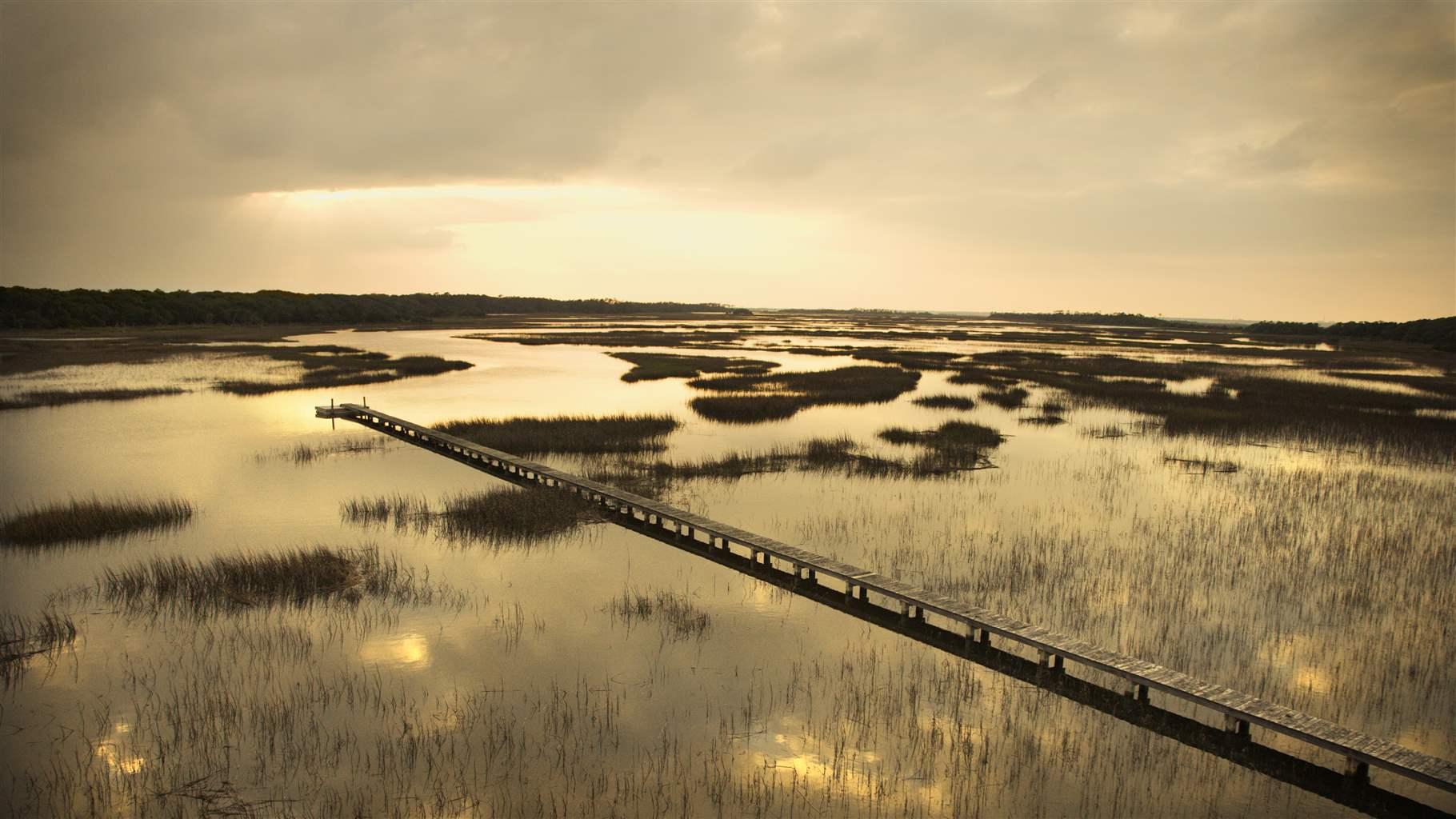
Healthy Rivers Need the Right Amount of Water at the Right Time
Environmental flow programs can help states balance water demand for people and ecosystems

As the old adage goes, “Water is life.”
This is true not only because water sustains all living things, but also because it follows a predictable natural cycle of seasonal flows that occur at the right times and in the right amounts. Snowpacks build in winter, then melt in spring, swelling mountain streams. And as that surge subsides, summer monsoons recharge waterways once more before flows diminish again through fall. And the cycle begins anew.
But when the natural cycle breaks down—when flows are too late or too low to replenish floodplains, recharge groundwater, move sediment, and sustain habitats, or when dams and other barriers block waterways—people, fish, wildlife, and landscapes can suffer.
Environmental flow programs—often called e-flow or instream flow programs—help states keep vital waterways healthy by ensuring that rivers and streams have enough water at the right times to support ecological needs while balancing that with other critical water uses.
What is an e-flow program?
E-flow programs begin by identifying the amount, timing, and quality of water that rivers, streams, wetlands, and connected habitats need; they then outline legal frameworks and voluntary tools to provide sufficient water to waterways within the context of larger water demand and constraints. This is especially important in the western U.S., which is facing increased periods of drought, warming temperatures, less predictable snowpack and rainfall, and increasing water needs.
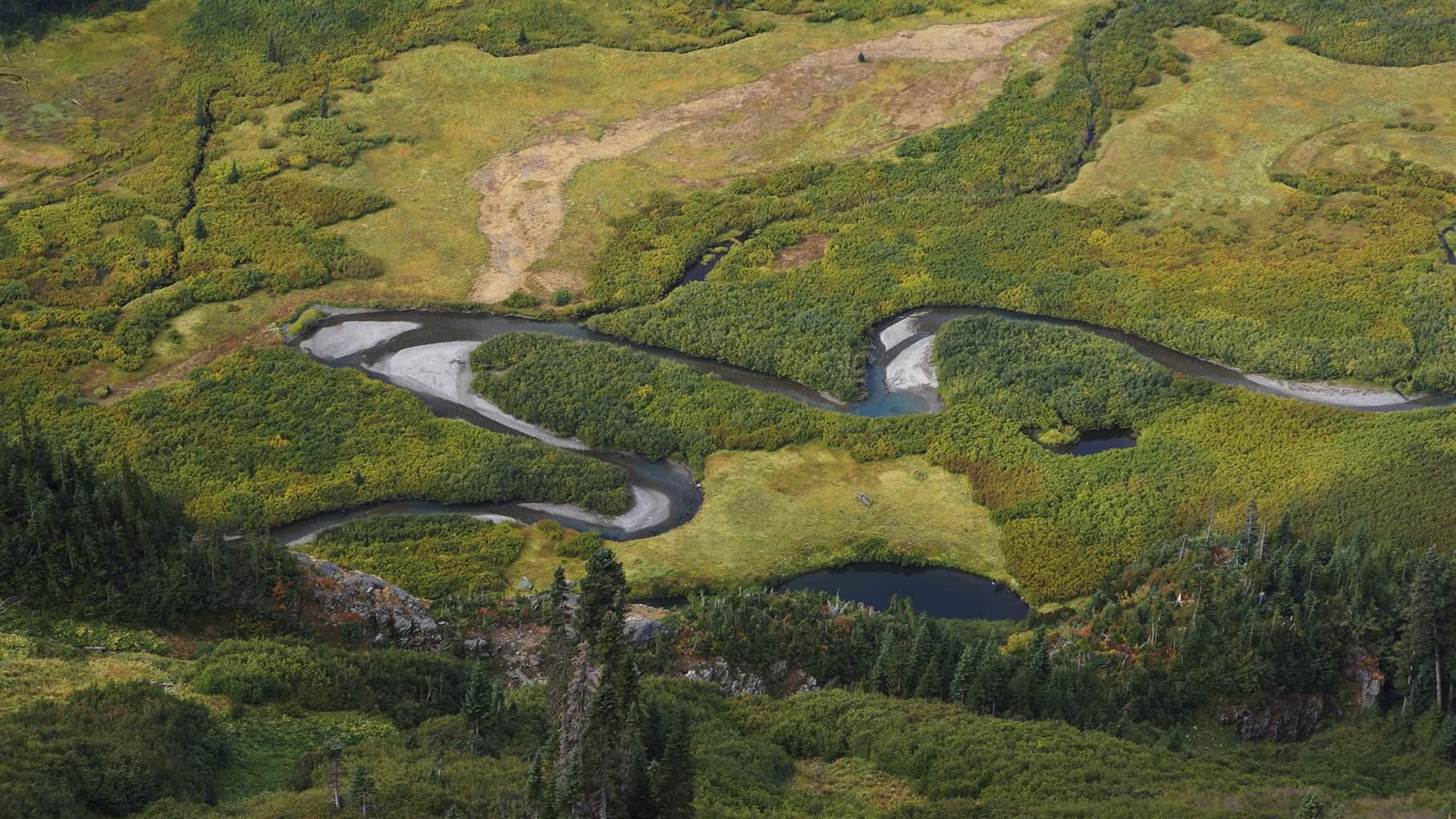
The e-flow concept is simple: Because rivers are living systems that rely on predictable flows, these programs translate those natural patterns into practical water management goals while also acknowledging and accounting for other uses of water resources, including for agriculture. These programs help states and localities identify priority streams, measure flow needs, support voluntary agreements with water rights holders, and guide decisions about when and how water is stored, diverted, released, or conserved for a watershed and the people that rely on it.
They can also help states upgrade and modernize outdated water policies and systems that were largely built around moving water out of rivers for human activities and didn’t account for the ecological health of the rivers and surrounding landscapes. This is especially true in the arid West, where leaving water in a river was not always protected or treated as a beneficial use—that is, as serving a legally recognized purpose and not eligible for diversion. E-flow programs recognize that water left in rivers can provide essential value for people, fish, and wildlife, and they aim to balance that value with the water needs of communities, farmers, businesses, and others.

States create and manage e-flow programs in various ways
Some states build e-flow programs through laws that empower a state agency to hold or administer water for river and stream protection. Others rely on regulatory standards, which set minimum or seasonal water levels for rivers and streams, or on voluntary leases or transfers, which allow water rights holders to temporarily or permanently dedicate water to environmental needs. These strategies are most effective when implemented through partnerships among water agencies, water users, Tribes, communities, and conservation organizations.
Here are some examples of how states approach these programs:
-
Colorado created an instream flow program in 1973 that allows the state to manage water rights for protection of waterways. Today, the program safeguards flows on more than 9,700 miles of streams, as well as hundreds of natural lakes.
Additionally, the Colorado Water Trusts' Request for Water Process allows voluntary leases and donations of water rights for instream use. Since 2001, this program has restored more than 98,000 acre-feet across 814 miles of the Colorado River, totaling 31.9 billion gallons of water returned to the river. - Oregon’s 1987 Instream Water Rights Act established a framework under which the state officially recognized environmental flows—leaving water in rivers to support fish, wildlife, recreation, and water quality— as a beneficial use. The act uses voluntary tools, such as instream leases, transfers, and conserved water agreements, to restore flows for fish, wildlife, recreation, and water quality over approximately 11,350 river miles throughout the state.
- Texas’ environmental flows process, established in 2007, uses science to develop and implement community-driven environmental flow standards for seven river basin and bay systems across the state.
- The Columbia Basin Water Transactions Program is a collaborative effort that facilitates voluntary transactions of water rights to instream use across Idaho, Montana, Oregon, and Washington. The program has organized 725 voluntary water transactions, returning the equivalent of 2.95 million acre-feet of water to the Columbia River Basin.
- Montana’s 1973 instream flow law allows the state to protect waterways for fisheries, wildlife, and recreation, and the state’s voluntary leasing program enables water rights holders to temporarily dedicate water to rivers and streams to benefit aquatic ecosystems. These tools have helped restore and maintain flows and connectivity in priority watersheds throughout Montana.

E-flow programs aren’t one-size-fits-all
A snowmelt-fed river in Colorado, a coastal river in Oregon, and a desert stream in Texas each face different environmental conditions. And water rights systems, Tribal interests, local economies, cultural values, and municipal needs also vary widely.
Effective e-flow programs are built for local realities, using the best available science and collaboration among agencies, water users, Tribes, communities, and conservation organizations to help states plan ahead rather than simply respond after rivers are already compromised.
As more states and communities confront water scarcity and ecological stress, Pew looks forward to working with state agencies and local organizations to develop e-flow programs. Although these programs do not eliminate hard choices about water, they help states make those choices with better information, clearer goals, and stronger tools to protect the water that sustains people, fish, and wildlife.
Andres Esparza works on water and habitat conservation and connectivity for The Pew Charitable Trusts’ U.S. conservation project.

People