States Embrace New Transmission Tech as Demand for Power Strains Electric Grid
At Pew event, lawmakers and experts discuss policy approaches
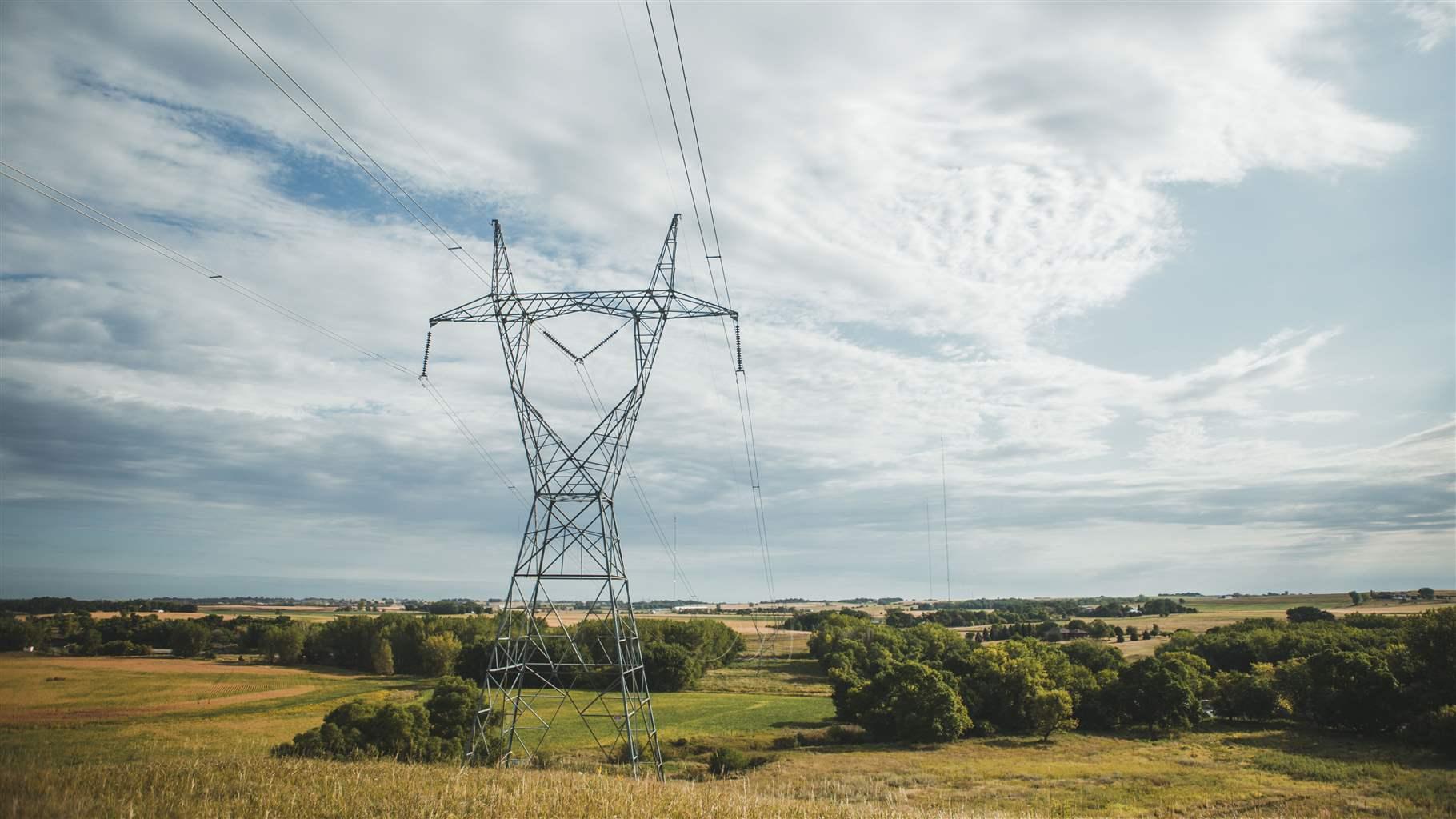
Like a highway for electrons, the power grid carries electricity from generation sites, such as power plants and solar farms, to customers. However, much of the nation’s transmission infrastructure is decades past its expected lifespan and is inadequate to meet rapidly growing energy needs. Fortunately, policymakers are starting to address this challenge.
Why advanced transmission technologies?
On Oct. 20, The Pew Charitable Trusts hosted a webinar featuring Kelt Wilska of consulting firm Grid Strategies and a conversation between Indiana state Senator Eric Koch (R) and Virginia Delegate Phil Hernandez (D). These experts discussed advanced transmission technologies (ATTs) and the different policies that states are adopting to encourage their use and bolster the electric grid. ATTs are software and hardware tools that can be quickly deployed to boost transmission line capacity. Although new transmission lines are critical for the long-term viability of the grid, they can take up to 10 years to install, and ATTs can help the system carry more electricity and be more efficient and reliable in the near term.
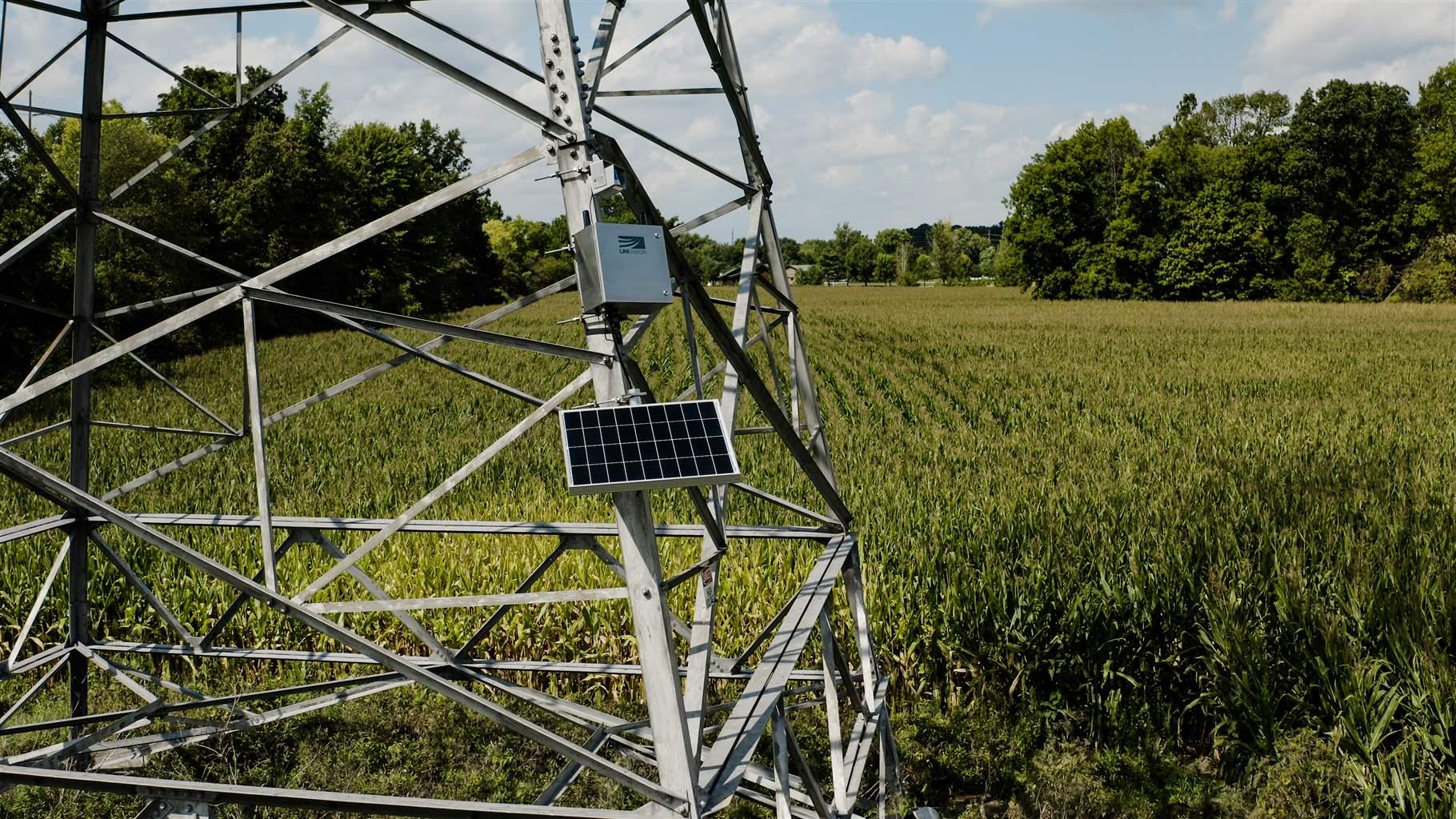
Wilska talked about how ATTs can enhance grid capacity to meet anticipated energy demand and ease costly grid congestion. He outlined several types of ATTs, including topology optimization, which reroutes electricity away from congested lines; dynamic line rating systems, which use sensors to measure real-time weather conditions and allow grid operators to increase the amount of electricity on the wires; and high-performance conductors, which use efficient design and advanced materials to boost wire capacity by 50% to 110%.
Later, Koch and Hernandez shared why they championed policies to increase the use of ATTs and how the laws they passed will spur their use. Their states are two of at least 16 that have enacted laws over the past three years to advance ATT deployment. In 2025 alone, Connecticut, Indiana, Louisiana, New Mexico, Ohio, Oregon, South Carolina, and Utah embraced policies to encourage utilities to deploy ATTs.

New laws accelerate innovation
In Virginia, HB 862, which was introduced by Hernandez and enacted in 2024, requires utilities to conduct comprehensive assessments of ATTs when developing their integrated resource plans (IRPs)—long-term strategies for meeting future electricity demand, including proposed investments in grid infrastructure and energy generation projects.
The law also requires utilities that do not include ATTs in their plans to explain to regulators why not. “We're sort of making [utilities] do their homework … and for policymakers, that’s really important because we want to know, for example, if there are concerns about costs or if there’s some issue in the supply chain,” Hernandez said.
In Indiana, Koch introduced and state lawmakers unanimously passed SB 422 in 2025. The legislation, like Virginia’s law, requires utilities to consider ATTs in their IRPs, but it also provides utilities with cost recovery for ATTs, enabling them to earn a partial return on their investment upfront. Koch shared that this approach “gives the utilities the incentive and the regulatory certainty to invest sooner than later.”
Indiana’s law also directs the Indiana Utility Regulatory Commission to study the systemwide benefits of ATTs, including their ability to support connection of additional generation and save consumers money.
Finding common ground on solutions
Hernandez and Koch agreed that other states should embrace ATTs to help address our energy challenges. "We need power, we need it to be affordable, and we need it to be reliable,” Hernandez said.
“And folks and industries that may not have wanted to even be in the same room to hammer out ideas before all of a sudden, they have to. … As legislators, we have to … help facilitate those conversations and grab every good idea that comes from them because if we don't, it's really the rate payers and consumers and families that are going to feel the brunt of it,” Hernandez continued.
“We may view the solutions differently and we may view the path there differently, but it really checks so many of the boxes of the [energy] goals that we're all trying to achieve,” Koch added. "If there’s a state out there that hasn’t initiated this conversation through legislation or committee work, I would strongly encourage them to do so.”
A recording of the webinar is available on YouTube.
Yaron Miller leads the state policy and campaigns portfolio for The Pew Charitable Trusts’ energy modernization project.
People