Australia’s New Nature Media Centre Shines Light on Biodiversity Loss
With targeted environmental stories, initiative will promote awareness and action
The mission of Australia’s recently launched Nature Media Centre is simple yet profound: to catalyse a new era for environmental reporting. The centre will highlight nature loss to generate greater levels of public awareness and inspire collective action to protect Australia’s natural heritage.
Australia is a nation defined by its unparalleled natural beauty and biological uniqueness. It is home to half a million species, three-quarters of which are found nowhere else on Earth. From ancient Gondwanan rainforests to desert-adapted marsupials to vibrant coral reefs, Australia’s nature is part of its national identity.
Yet this incredible biodiversity is in ongoing decline. Australia leads the world in mammal extinctions, with iconic species such as the east coast koala, Australian sea lion and greater bilby now facing significant threats. Others, such as the numbat and plains wanderer, are hanging on by a thread, the last remaining species of families that have survived for 60 million years. Ecosystems are collapsing and once-common species are disappearing before our eyes. The primary drivers of this biodiversity decline – habitat destruction, invasive species and altered fire regimes – are compounded by the impacts of climate change.
Despite the scale and urgency, biodiversity loss remains severely under-recognised in public discourse and decision-making. This gap between the biological reality and public perception is the fundamental challenge that the Nature Media Centre is built to address.
Recent surveys show that 60% of Australians believe that nature is in a ‘good or excellent state,’ leading to a fundamental lack of perceived urgency for action. And while more than half (54%) of Australians are very concerned about nature, this issue often takes a backseat to others, such as the cost of living. Yet Australians are demanding action on nature, with an overwhelming majority (95%) wanting the federal government to increase spending on the protection and management of nature.
In the media landscape, environmental journalism has contracted. Specialist environment reporters are now rare, and environmental stories are often relegated to the back pages because they lack a relatable human or local angle. Analysis from 2024 showed that conservation remained significantly under-represented in Australian media coverage (20%) compared with climate change policy and natural disasters.
As with other countries around the world, the media challenge in Australia is compounded by disinformation and misinformation, often leading to confusion among the public. In New South Wales, myths surrounding water management within the Murray Darling River system continue to hamper community education efforts. In Victoria, claims spread that a proposed national park would increase bushfire risk by preventing fuel management, despite evidence that national parks conduct extensive prescribed burning programs.
The way Australians receive their information has also changed radically. One-quarter of Australians now rely on social media for their news, with young people and women using it most. At the same time, many people now live in ‘news deserts’ after more than 160 news outlets closed between 2019 and 2024. With these changes, the act of building public awareness with accurate and factual reporting requires a strategic, unified solution.
The Nature Media Centre aims to bridge the gap between scientific knowledge and public awareness by increasing the volume of quality stories, told the right way, by the right people, to the right audience. The centre, a partnership of the Australian Land Conservation Alliance, the Biodiversity Council and The Pew Charitable Trusts, connects journalists with trusted voices, knowledge and solutions, including scientists, non-profits, farmers who care about nature, and people whom readers and viewers can relate to. The centre facilitates these connections, offering spokesperson training and providing examples of successful work for journalists.
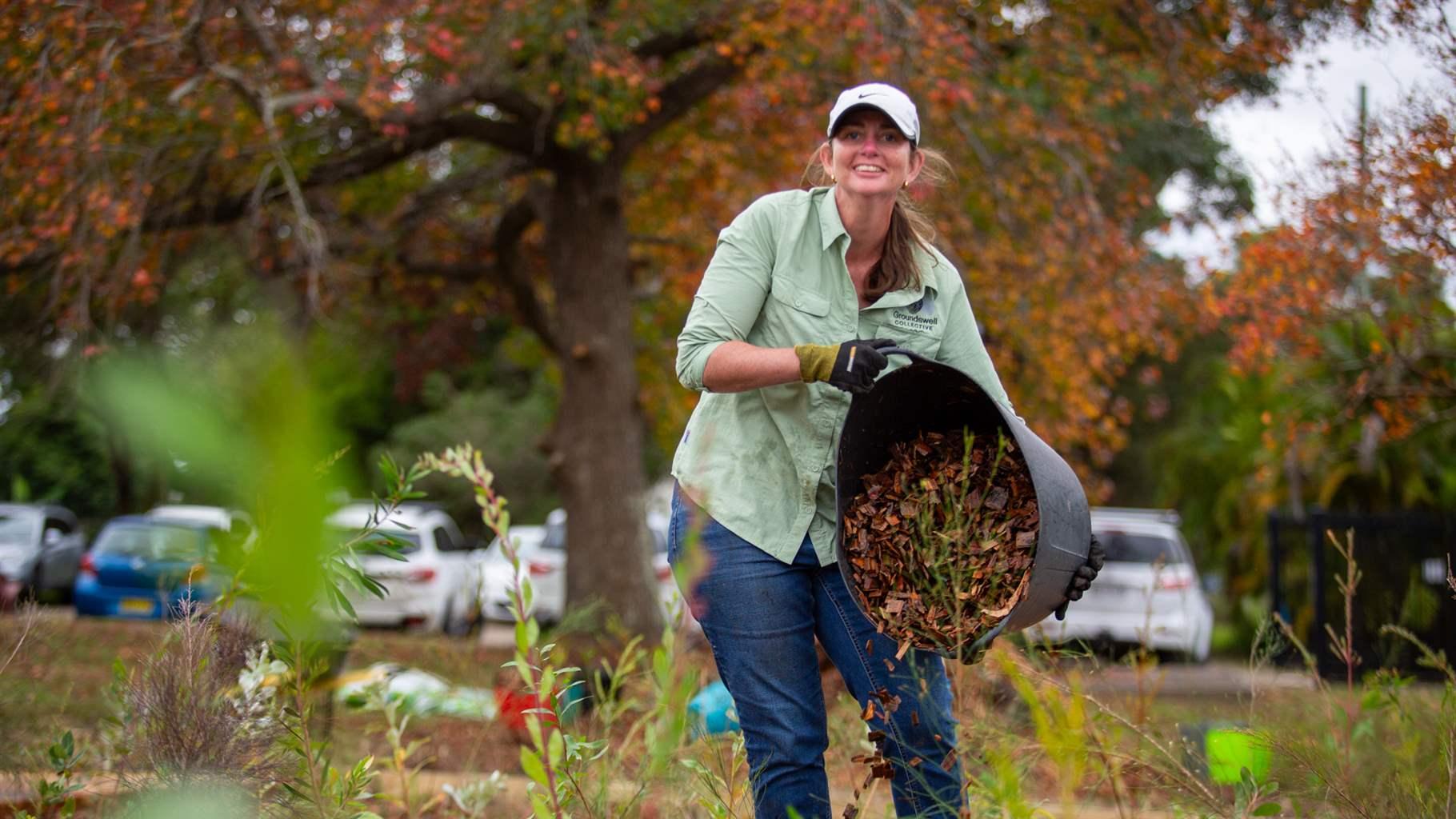
The centre focuses on locally driven stories, such as that of Anna Noon, an expert in ‘tiny forests.’ Distressed by the land clearing and habitat loss accompanying the sprawling housing developments in her regional area of New South Wales, Noon took direct action. Through her charity, the Groundswell Collective, she has facilitated the planting of 16 tiny forests at schools and parks across the state, using methods that allow forests to grow 10 times faster, 30 times denser and 100 times more biodiverse than with traditional planting. For Noon, this work is crucial for building hope and connection. She observes ‘incredible things from people coming together,’ she says, noting that participants on planting days often discover ‘their people’ – 70 or more like-minded individuals who care deeply about sustainable living and the environment.
Noon and the centre’s other spokespeople talk about the things that matter to Australians. They share local stories about nature damage or repair, and stories that remind people of human beings’ inherent connection to or dependency on nature’s health. By providing options to connect people with nature and compelling invitations to take local action, the Nature Media Centre ensures that governments not only see public demand demonstrated through targeted campaigns but also feel pressure and expectation through local, regional and national discourse.
The centre works alongside similar successful initiatives that have demonstrated the power of strategic communications to drive public and policy change. Drawing inspiration from and following the model of similar projects – such as the Climate Media Centre, which played a leading role in countering climate denialism, or the Economic Media Centre, which focuses on shifting narratives around economic and justice issues by training hundreds of spokespeople who share their lived experience – the centre leverages proven strategies and collaborative knowledge to elevate conversations about nature protection and drive meaningful change.
The Nature Media Centre is not just reporting on Australia’s biodiversity crisis; it is shaping public sentiment to put nature on the path to recovery. It is a vital intervention for immediate and long-term systems change.
Tim Nicol is a project director with The Pew Charitable Trusts’ protecting Australia’s nature project.
People