5 Reasons to Celebrate Conservation on Earth Day
The greatest danger to our planet, said polar explorer and conservationist Robert Swan, is the belief that someone else will save it. It is this awareness—coupled with the ever-growing body of science showing conservation’s extensive benefits to people and nature—that underpins Pew’s work to protect the natural world.
And despite the challenges to that work, Pew staff are optimistic that we can continue to advance policies worldwide that help improve human health and well-being, strengthen communities and local economies, enrich biodiversity, maintain ancestral ties to nature, and mitigate the effects of a shifting climate.
On this Earth Day, here are five Pew initiatives that show our commitment to, and hope for, the future of Earth and all of us who call it home.
1. Funding helps to repair and update U.S. National Park Service sites

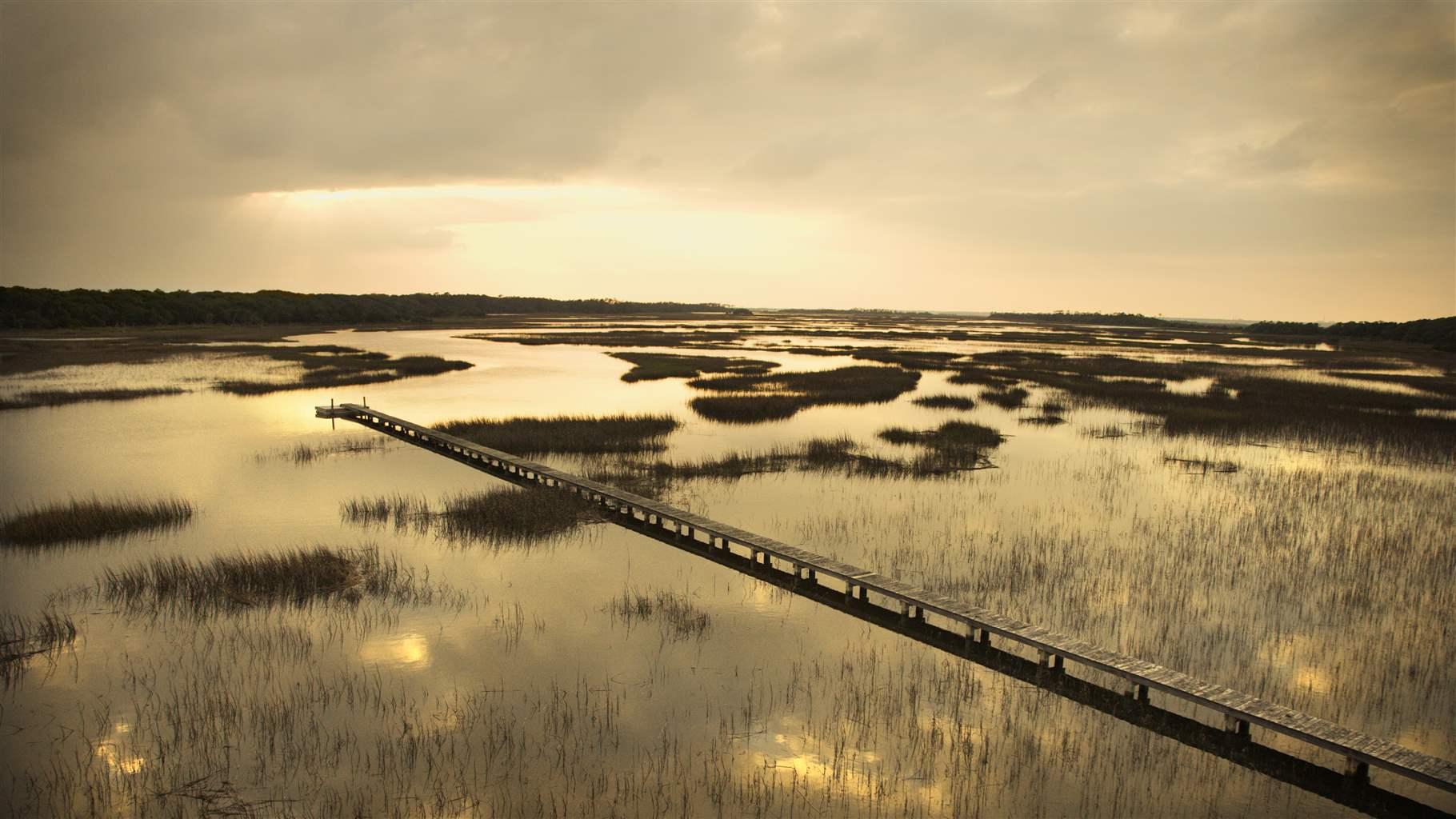
In 2020, President Donald Trump signed the Great American Outdoors Act into law, creating the Legacy Restoration Fund, which has since supported hundreds of projects to repair or update roads and bridges, trails, historic buildings, and other assets within our public lands.
But this work isn’t done. This year, the 250th anniversary of the United States’ founding, would be a fitting time for Congress to extend the fund to ensure that the country’s parks, forests, wildlife refuges, and other public landscapes remain accessible and safe for decades to come.
Rebecca Knuffke, who works on Pew’s U.S. conservation team, is excited to see how further repairs and upgrades to infrastructure in America’s national parks and on other federal lands will help future generations connect with their natural and cultural heritage.
2. Australia expands marine protections

Australia has committedto safeguard at least 30% of its ocean territory in highly protected marine sanctuaries by 2030. Christabel Mitchell, who leads Pew’s marine conservation work Down Under, says these new protected areas will conserve waters teeming with life, from coral reefs and coastal mangrove forests to whales, turtles, and more.
The national commitment also puts Australia on track to help the global community reach its goal—agreed to at the 2022 meeting of the Convention on Biological Diversity—to protect 30% of the world’s ocean by 2030.
3. Two historic ocean treaties take effect
/16x9_m.jpg?mw=1820&hash=951A9CDC56BE1D6D963028CF582E47F9)
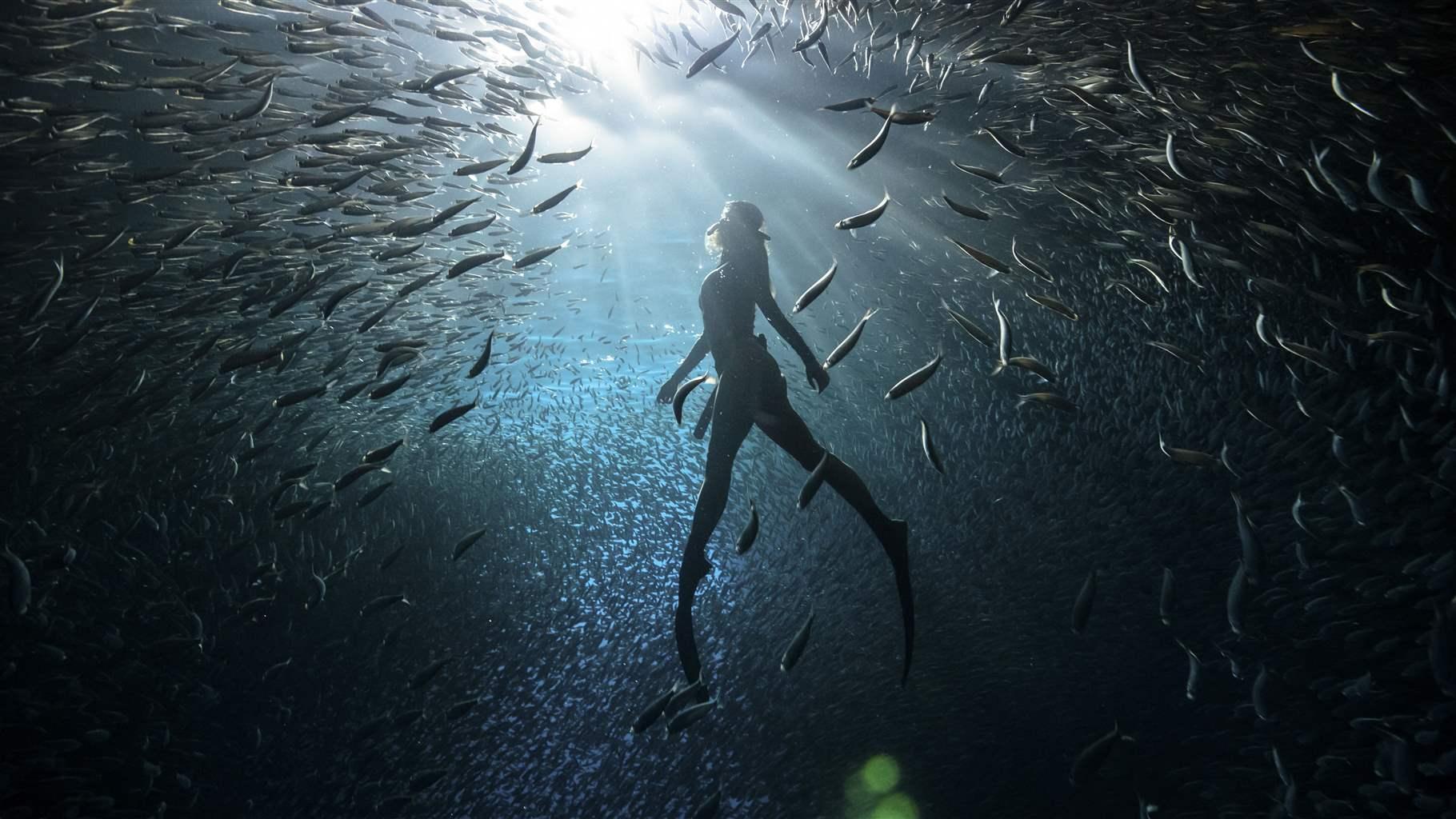
Globally, ocean conservation has been on a winning streak, with both the World Trade Organization’s Agreement on Fisheries Subsidies and the United Nations high seas treaty recently entering into force—in September 2025 and January 2026, respectively. These international deals could lead to extensive high seas protections and less overfishing, both of which could improve ocean health.
Elizabeth Wilson, who helps direct Pew’s ocean work, notes that treaties of this scale take decades of work to achieve and implement, making these victories all the more meaningful.
4. New crossings reconnect wildlife habitat—and improve driver safety

Throughout the U.S., growth and development have broken up natural landscapes and, in some places. blocked age-old wildlife migration routes. Driven in part by a Pew campaign to address the issue, states across the country, with federal matching funds, have invested in wildlife crossings—bridges and underpasses built specifically to keep animals off roads—leading to significant declines in accidents and making roads safer for drivers.
As Jessica Roberts from Pew’s U.S. conservation team says, wildlife crossings help to reconnect habitats and migration routes that have been fractured by roads and other development. These bridges and underpasses built for wildlife aid everything from migrating deer herds to fish navigating rivers impeded by such modern infrastructure.
5. French Polynesia on cusp of new ocean safeguards

French Polynesia’s ocean waters are famously vibrant, with dense populations of sharks, corals, reef fish, dolphins, and more. Pew Bertarelli Ocean Legacy’s Donatien Tanret, who lives on the island of Moorea, says he expects the French Polynesian government to designate new marine protections in June around the archipelagoes of the Austral and Marquesas islands to support local waters, marine life, and culture. The expected protections follow extensive local and global collaboration.
For more than a decade, mayors and the communities have been advocating for large-scale marine reserves in their waters to support a healthy ocean and fish stock. A 2024 poll found that more than 90% of French Polynesians support protecting the waters around the Austral and Marquesas archipelagos.
These moments of progress underscore an enduring truth: Conservation works best when people stay committed, follow the science, work in partnership, and understand that investments in nature are indeed investments in the future of humankind.
People