How Science Is Helping Coastal Communities Build Resilience to El Niño
Scientists, natural resource managers, and others use innovative research by Pew marine fellows to prepare for the effects of a hotter ocean

The current El Niño may become the strongest in modern recorded history.
The naturally occurring climate phenomenon, primarily associated with persistent, high ocean surface temperatures in the central and eastern tropical Pacific Ocean, could have global-scale effects on weather and ocean conditions through 2027. On land, it can disrupt expected rainfall and temperatures. Offshore, warmer waters can impact the health and resilience of key habitats and species, including coral reefs, seagrass beds, kelp forests, and economically important fisheries.
Decades-long investments in marine science have contributed to the knowledge and practical tools that coastal communities, natural resource managers, and policymakers need to endure and respond to marine heatwave events, like El Niño. The Pew Fellows Program in Marine Conservation has long supported this kind of work by funding and building a community of leading marine conservation scientists.
Today, current and past Pew marine fellows are advancing research that can help communities better understand, anticipate, and respond to the effects of El Niño, as well as longer-term warming trends resulting from rising levels of greenhouse gases in Earth’s atmosphere.
Resilience to marine heatwaves is resilience to El Niño
El Niño’s primary and most direct effect is unusually warm ocean water. Because of this, research on what makes marine ecosystems resilient to high temperatures can help scientists and managers develop durable restoration and conservation strategies in a warming ocean.
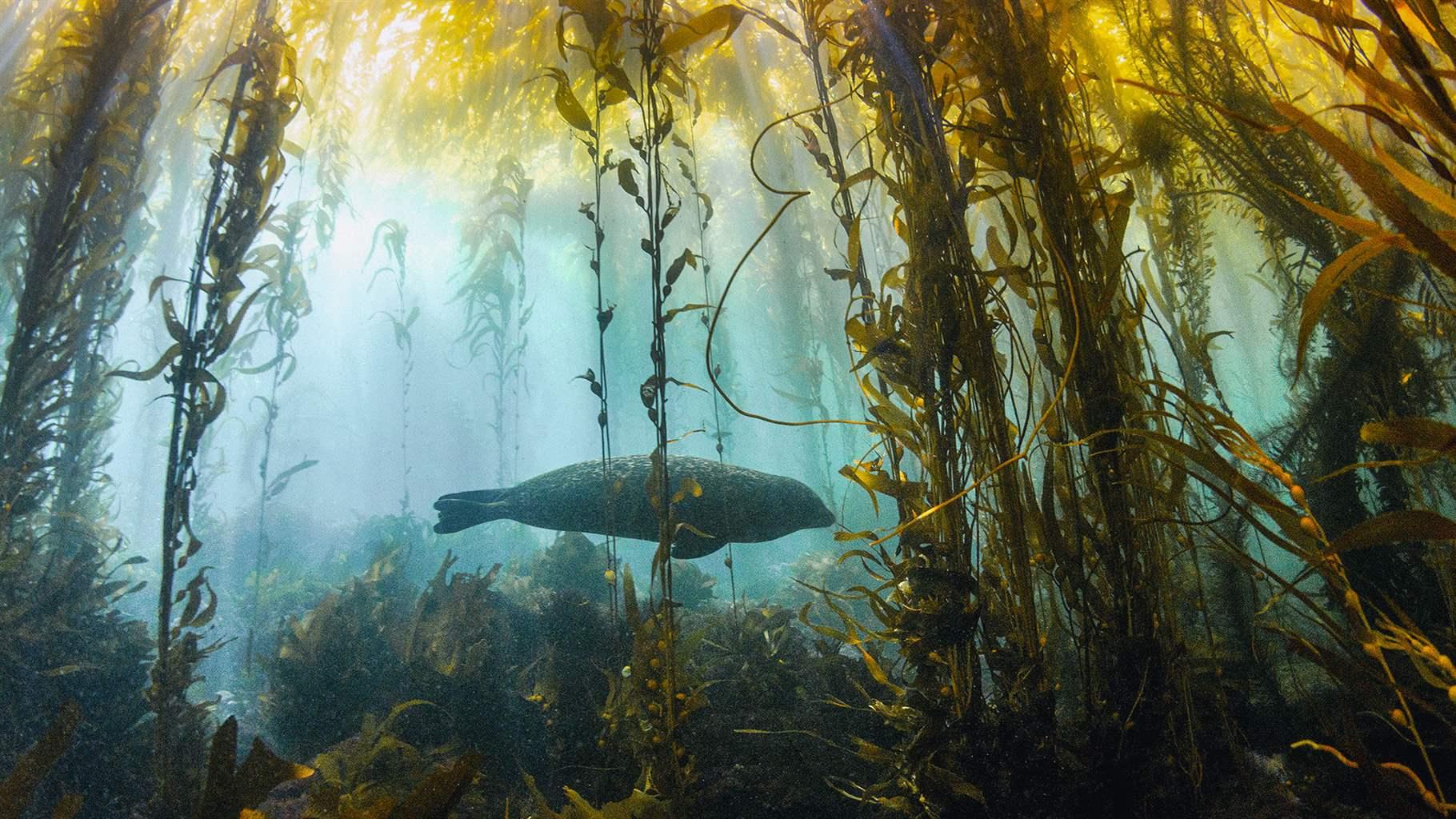
Nur Arafeh-Dalmau, a 2026 Pew marine fellow, is identifying, mapping, and studying resilient kelp forest ecosystems along the Pacific coast of the Americas. His work explores why some kelp forests are able to survive or recover from periods of extreme marine heatwaves, like those associated with El Niño, and how management and policy can support that resilience.
Across the Pacific in Thailand, another 2026 fellow, Suchana Apple Chavanich, is identifying the traits that make certain juvenile corals more resilient than others to marine heatwaves. Chavanich works with communities on local coral restoration projects, while testing innovative restoration approaches.
El Niño can complicate existing challenges
El Niño can interact with and intensify human impacts on the oceans, such as overfishing and offshore pollution. For example, warming oceans diminish water quality and can have cascading effects that reduce nutrient availability, both of which can further undermine already stressed marine populations and food webs.
El Niño also interrupts human relationships with marine ecosystems in other ways. As temperatures rise, fish populations can move to new areas or deeper waters, resulting in complications for fishers and fisheries managers. During her fellowship, 2018 fellow Katherine Mills developed strategies, tools, and networks that help fisheries adapt and respond to a changing ocean. Fisheries managers can turn to these resources as El Niño’s impact on ocean temperature and nutrient availability affects species abundance, distribution, and health.

2026 Pew-Hoover fellow Matthew Gribble is investigating environmental factors that trigger harmful algal blooms, overgrowths of algae that produces toxins dangerous to people and marine life. These blooms are driven by a complex mix of factors and some have been exacerbated by El Niño’s weather and ocean warming impacts in the past. Using new techniques to understand their impacts, Gribble’s research could help scientists anticipate and manage risks for coastal communities that depend on seafood as a part of their diet, livelihood, and culture.
Past El Niño phases offer lessons for a warmer future
El Niño provides a temporary window into the warmer world that may become our permanent reality in the future. No two El Niño phases are the same but understanding what made communities or ecosystems vulnerable or resilient to past El Niño phases can help us respond to the current challenges.
2017 Pew marine fellow Julia Baum studied the factors that allowed certain corals in the central Pacific to survive the extreme heat stress of the 2015-16 El Niño and how reefs recovered from mass coral mortality events. 1998 fellow Mia J. Tegner and 1995 fellow Paul Dayton studied differences in how two species of abalone, a kind of sea snail, responded to El Niño.
2021 Pew marine fellow Amanda Bates is building on her fellowship by applying lessons from assembling global environmental datasets about the impacts of COVID-19 lockdowns to help scientists learn from the current El Niño. Bates is working to standardize and coordinate global data collection from around the world to create a valuable repository for future analyses and research.
Events like El Niño are reminders that investments in solutions-focused marine science research are integral to understanding and conserving the oceans. The knowledge required to weather a warmer ocean in the future will be built over years of sustained scientific investment.
Jillian Neuberger works on the Pew Fellows Program in Marine Conservation.
People