Colorado Moves to Restore Water Safeguards After Federal Rollback
Regulation would protect rivers, wetlands, economy, and communities
Editor’s note: This article was revised on Jan. 15, 2026, to reflect action taken on Dec. 10, 2025, by the Colorado Water Quality Control Commission.
In Colorado, as in much of the U.S. West, clean fresh water is a scarce and valuable resource. So, in 2024, a year after the U.S. Supreme Court weakened decades-old federal safeguards affecting an estimated two thirds of the state’s rivers and wetlands, Colorado legislators passed a bipartisan law to ensure continued protection of those places, which supply clean drinking water, support the state’s vibrant outdoor recreation economy, and safeguard communities from drought and wildfire.
The law required the Colorado Water Quality Control Commission to craft a rule, known as Regulation 87, by the end of 2025, to implement and enforce that law.

In early December 2025, after three days of public hearings that included testimony from more than 45 people, some representing local and state organizations—an estimated 95% of whom favored a strong final regulation—the commission developed a rule that will effectively protect waterways from pollution and degradation caused by unregulated development while providing a pathway for those seeking to develop property.
Before the hearing, The Pew Charitable Trusts worked with a coalition of 26 organizations that represent more than 200,000 Coloradans to urge the commission to implement comprehensive water protections and enforcement that will:
- Protect drinking water. About 3.7 million Coloradans rely on the state’s streams for at least some of their drinking water. As a headwater state, Colorado also supplies water to 18 additional states that are home to more than 40 million people.
- Bolster “nature-based” defenses against increasing wildfires and floods. From 1980 to 2024, Colorado experienced 76 weather/climate disasters with losses of more than $1 billion each, including two floods, 42 severe storms, and 12 wildfires. Healthy wetlands buffer communities from severe storms, absorb floodwaters, and help block the spread of wildfires.
- Sustain the state’s outdoor recreation economy and opportunities. Colorado’s recreation economy generates $37 billion in consumer spending annually and directly supports 511,000 jobs. In addition, 72% Coloradans participate in outdoor recreation at least weekly, and 80% say it represents an important part of their personal well-being.
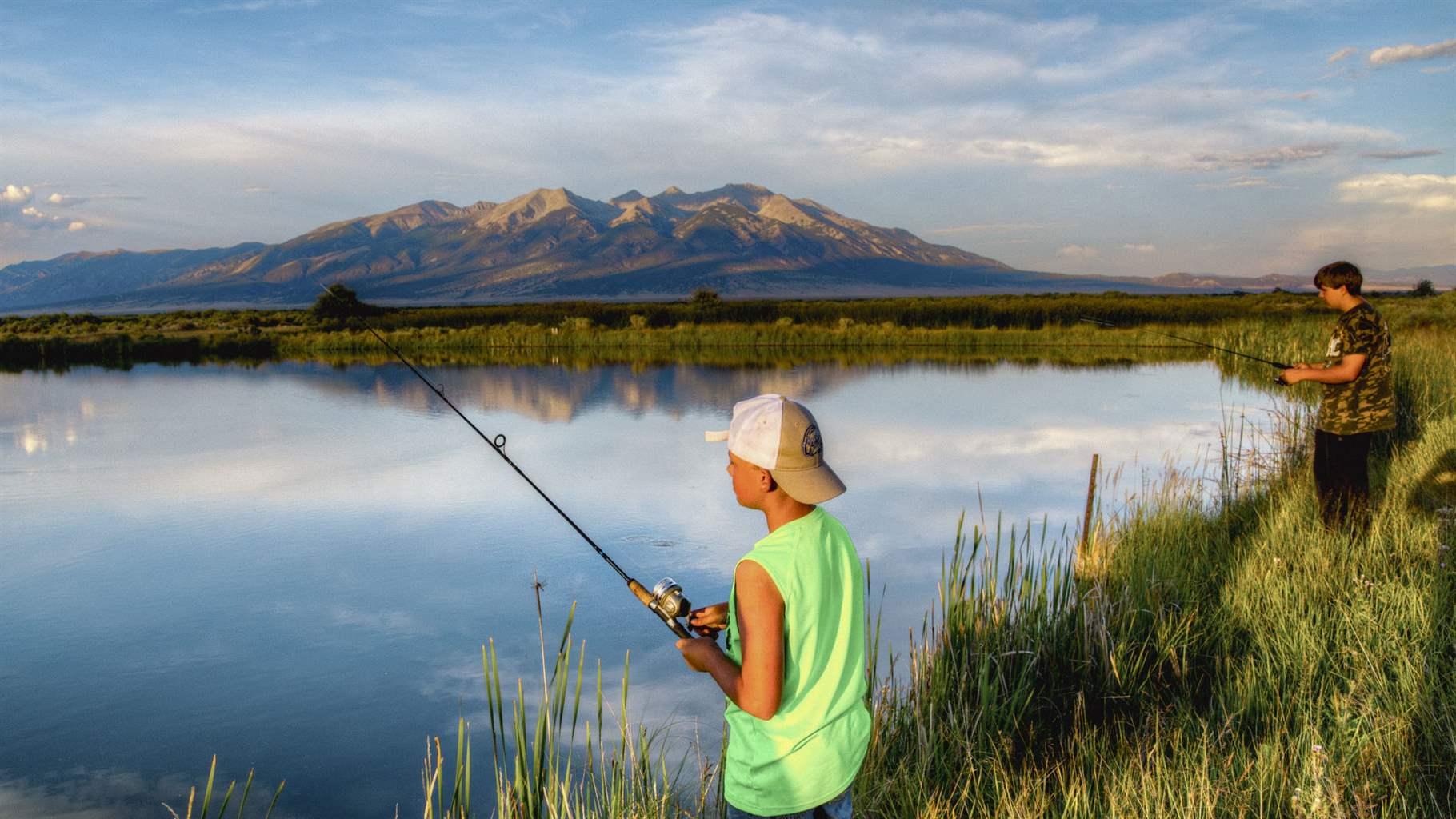
- Conserve wildlife habitat. The state is home to almost 1,000 species, from bighorn sheep, elk, and lynx to rainbow trout and walleye. Hunting and fishing generate more than $3.25 billion annually in Colorado, supporting local businesses across all 64 counties.
- Capture and store climate-warming carbon. Fens—groundwater-fed wetlands—cover a tiny fraction of the state but help to lock away hundreds of tons of climate-warming carbon per acre, making them powerful natural climate allies.
The backstory
The 2023 Supreme Court decision, Sackett v. Environmental Protection Agency, limited the scope of the 1972 federal Clean Water Act. For Colorado, the ruling put thousands of miles of streams and rivers, and tens of thousands of acres of wetlands, at risk.
“Water is Colorado’s most precious resource by a long shot, and we have a lot of reasons to be fearful about the future of the state’s waters, both from quality and quantity perspectives,” said state Senator Dylan Roberts, a lead co-sponsor with Senator Barbara Kirkmeyer, House Speaker Julie McCluskie, and Representative Karen McCormick of the legislation that created Regulation 87. “Following the Supreme Court decision, it was of utmost importance to me to … do whatever we could to strengthen the protections we have in the state.”
After the Sackett ruling, Roberts worked with other lawmakers, state agencies, agricultural representatives, Tribes, environmental advocates, and community leaders to craft the 2024 law.

Regulation 87 makes Colorado the first state to restore protections
With the development of Regulation 87, Colorado becomes the first state to establish durable and enforceable rules, in the wake of the Sackett decision, to protect the rivers, wetlands, and drinking water that its people treasure. Pew commends the Water Quality Control Commission for restoring much-needed protections for the state’s prized fresh waters. Throughout this process, thousands of Coloradans expressed support for this important regulation, which will conserve the waterways that sustain local communities, economies, and outdoor recreational opportunities.
Carrie Sandstedt is a senior officer and Alex Clayton Moya is an officer with The Pew Charitable Trust’s U.S. conservation project.
People


/16x9_m.jpg?mw=1820&hash=4C8AC0442DCF39C08321E82F1DA91C38)


