
Overview
Conserving natural spaces conveys benefits far beyond the gains to wildlife and their habitats. As scores of studies show, protecting and restoring lands and waters, particularly when done in close partnership with local communities, also improves people’s lives—and local economies—by increasing tourism and outdoor recreation.
Pew works in the U.S. and across the globe to preserve our natural resources, with a focus on the majestic landscapes of North America, South America, and Australia.

On my journey to Palena, a small town nestled deep within the Patagonian Andes, I had to travel 1,200 kilometers (745 miles) from Santiago, Chile’s capital. The trip required a commercial flight, a layover, and another leg on a small propeller plane, followed by a three-hour drive along a winding gravel road. Reaching Palena took 15 hours—and this was the fastest, most direct route. For context, that’s two hours longer than a flight from Santiago to Washington, D.C.
Trust Magazine
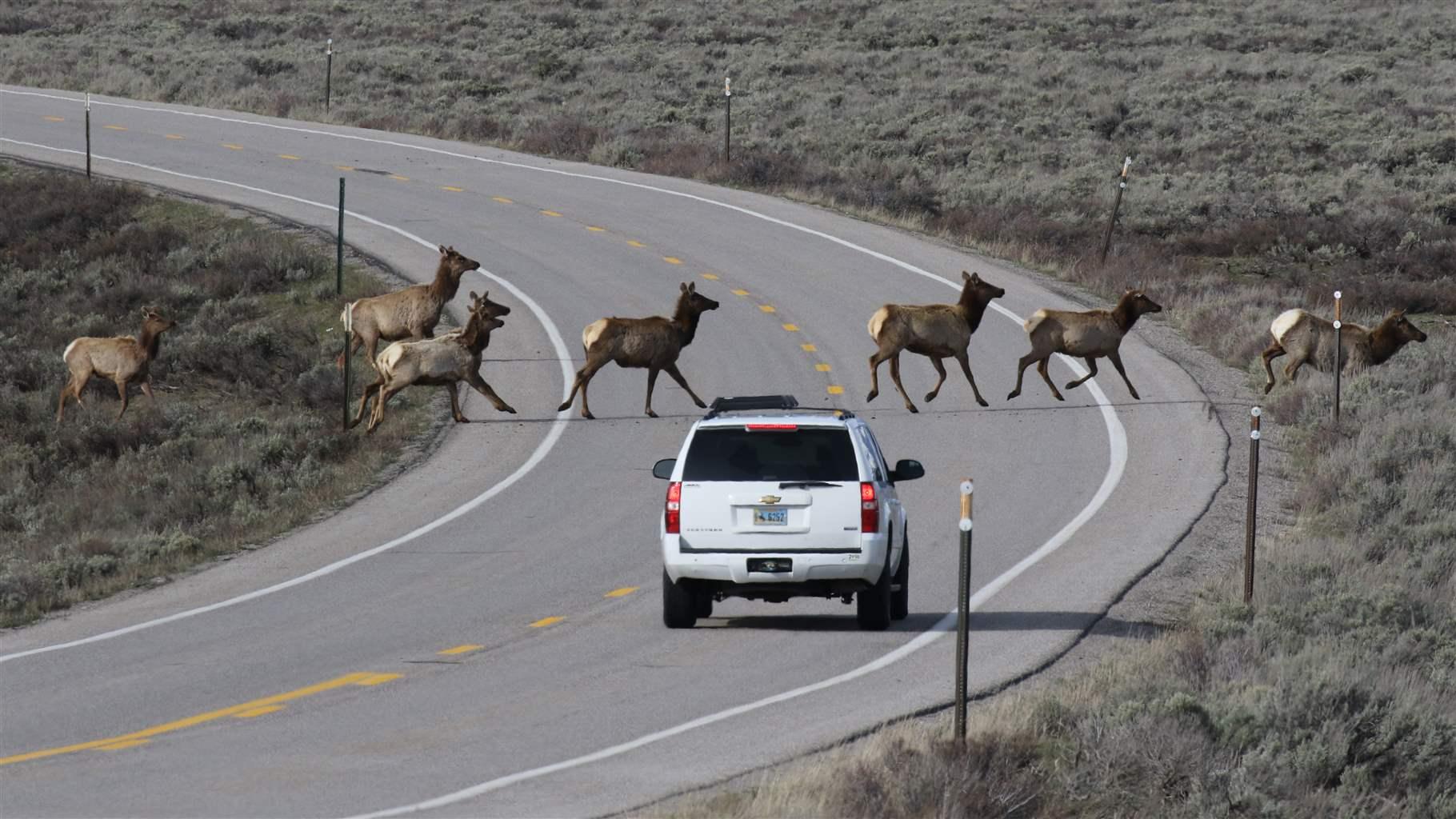
Wildlife collisions on U.S. roads are more than a nuisance—they’re a serious safety, economic, and ecological hazard. When roads sever the natural corridors that deer, elk, moose, and other migratory species rely on to move safely between habitat areas in search of food, mates, and shelter, it forces animals and drivers into dangerous conflict and cuts wildlife off from critical territory.

Within 15 years, a garbage truck’s worth of plastic could be entering our environment every second. Not every minute. Every second. Plastic is everywhere in modern life and has essential, lifesaving uses, but the proliferation of plastic has also made it one of the great environmental challenges of our time. Plastic pollutes our land, air, and water; costs governments billions each year to manage; and is putting human health at increasing risk.
Trust Magazine

From drinking water to wildlife to history and adventure, rivers help shape life across the United States. Take the quiz to test your river knowledge.
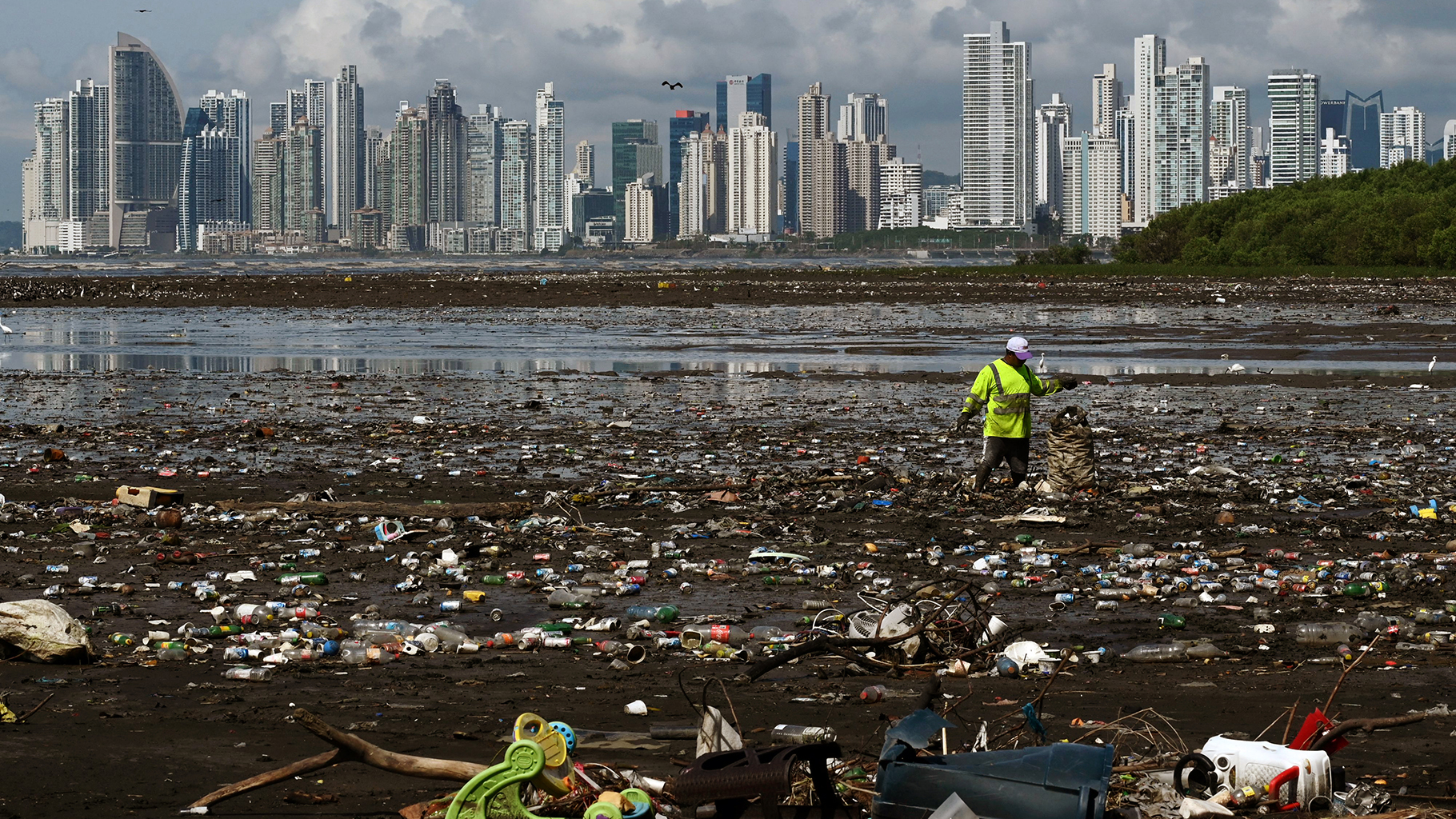
Our analysis also finds that plastic is interconnected with other global challenges, and that solving the plastic pollution problem will have broad implications for improving the health of people, the planet and the global economy. With the added urgency created by five more years of growing plastic pollution, we renew and amplify the call for ambitious action and transformative strategies to address not only plastic pollution but also the far-reaching consequences of the plastic system.
Our Work

Good health is important to everyone. Pew conducts research and provides information and fact-based recommendations to state agencies, hospitals, researchers, and other health partners to help them provide better care. We find and share evidence-based practices to improve Americans’ health and well-being, including services that can prevent suicide, improve mental health care, and treat substance use disorder.
Latest In Advance Health & Well-Being

Communities throughout the country share common needs: affordable connections to broadband Internet, modern and reliable energy infrastructure, effective responses to mental health challenges, and ways to resolve legal disputes more quickly and fairly. To address these issues, Pew collaborates with states and local governments to find and promote evidence-based solutions that help provide stability and opportunity.
Latest In Build Communities

Nonpartisan, fact-based improvements in federal policy can create jobs, lower costs, and help the nation prepare for the future. When our research shows that small changes can have a big impact, we work across party lines to improve national challenges like housing affordability, internet access, energy reliability, and health care.
Latest In Improve Federal Policy
/16x9_m.jpg?mw=1820&hash=5F8FAF0A76E455308483138D9B65A461)
Economic opportunity is the foundation of American society. Pew supports national, state, and local efforts to expand opportunity and promote financial well-being. Our work helps people pay off student loans, navigate court proceedings such as debt collection, buy or rent a home, access affordable internet, and save for their retirement.
Latest In Improve Economic Advancement

The global ocean teems with life, and it contributes to the vital cycles that keep people and our planet healthy. But the seas are vulnerable to overfishing, loss of habitat such as seagrasses and mangroves, ineffective fisheries management, plastic pollution, and declining biodiversity. These mounting losses affect the coastal communities that depend on the ocean for food and jobs.
Latest In Protect Marine Life
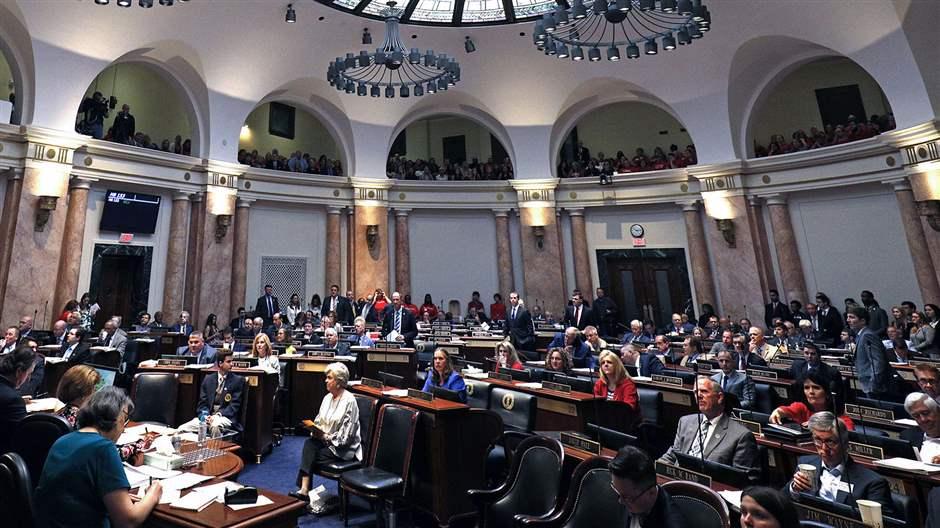
States and cities are the “laboratories of democracy” in America—the places where lawmakers and governors look for new ways to help their communities succeed. Whether in Pew’s hometown of Philadelphia or any of the 50 state capitals, we help elected leaders respond to the needs of their citizens, use public dollars wisely, fix outdated policies, and build a better future for all.
Latest In Strengthen State Government
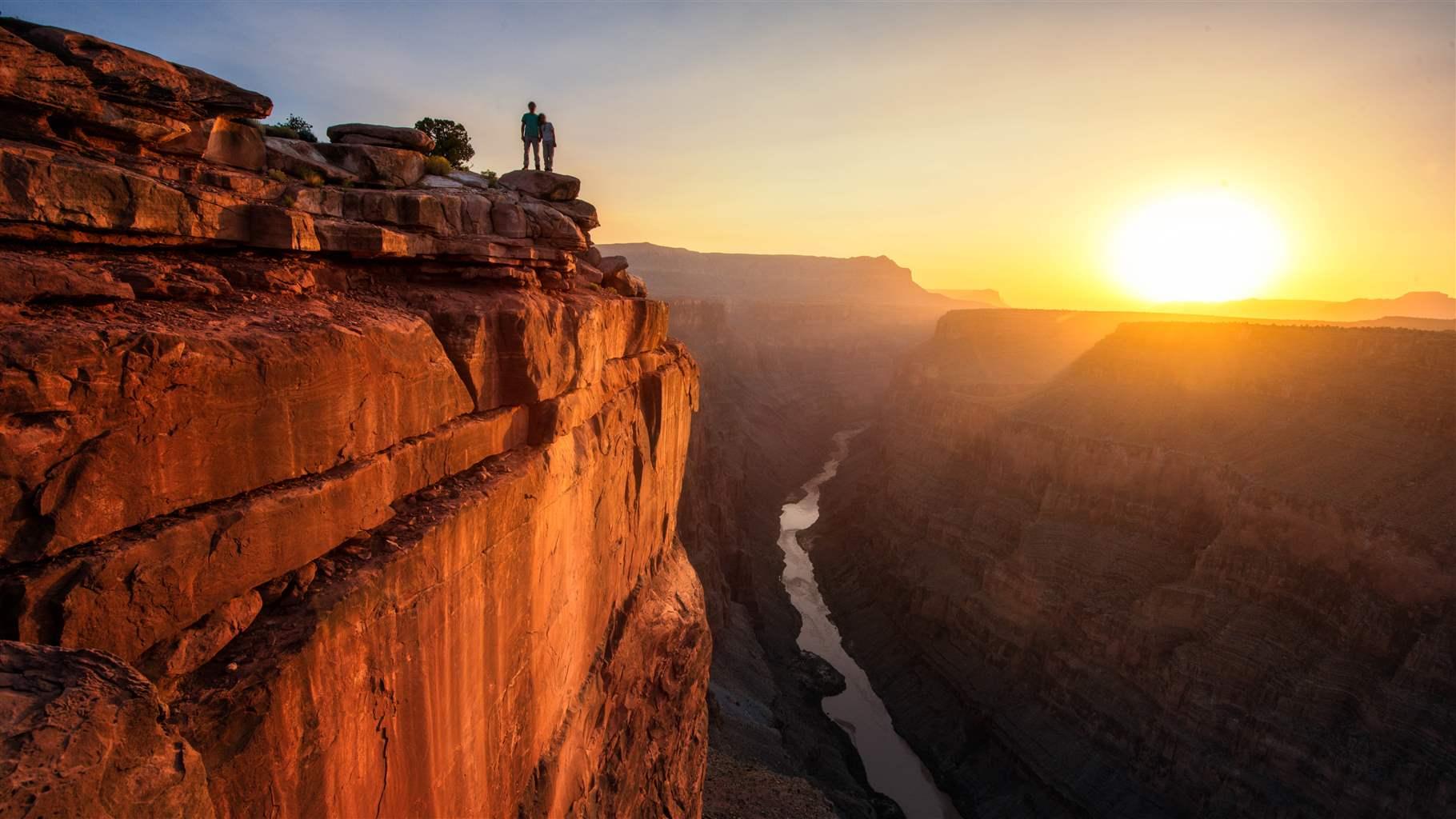
Conserving natural spaces conveys benefits far beyond the gains to wildlife and their habitats. As scores of studies show, protecting and restoring lands and waters, particularly when done in close partnership with local communities, also improves people’s lives—and local economies—by increasing tourism and outdoor recreation.