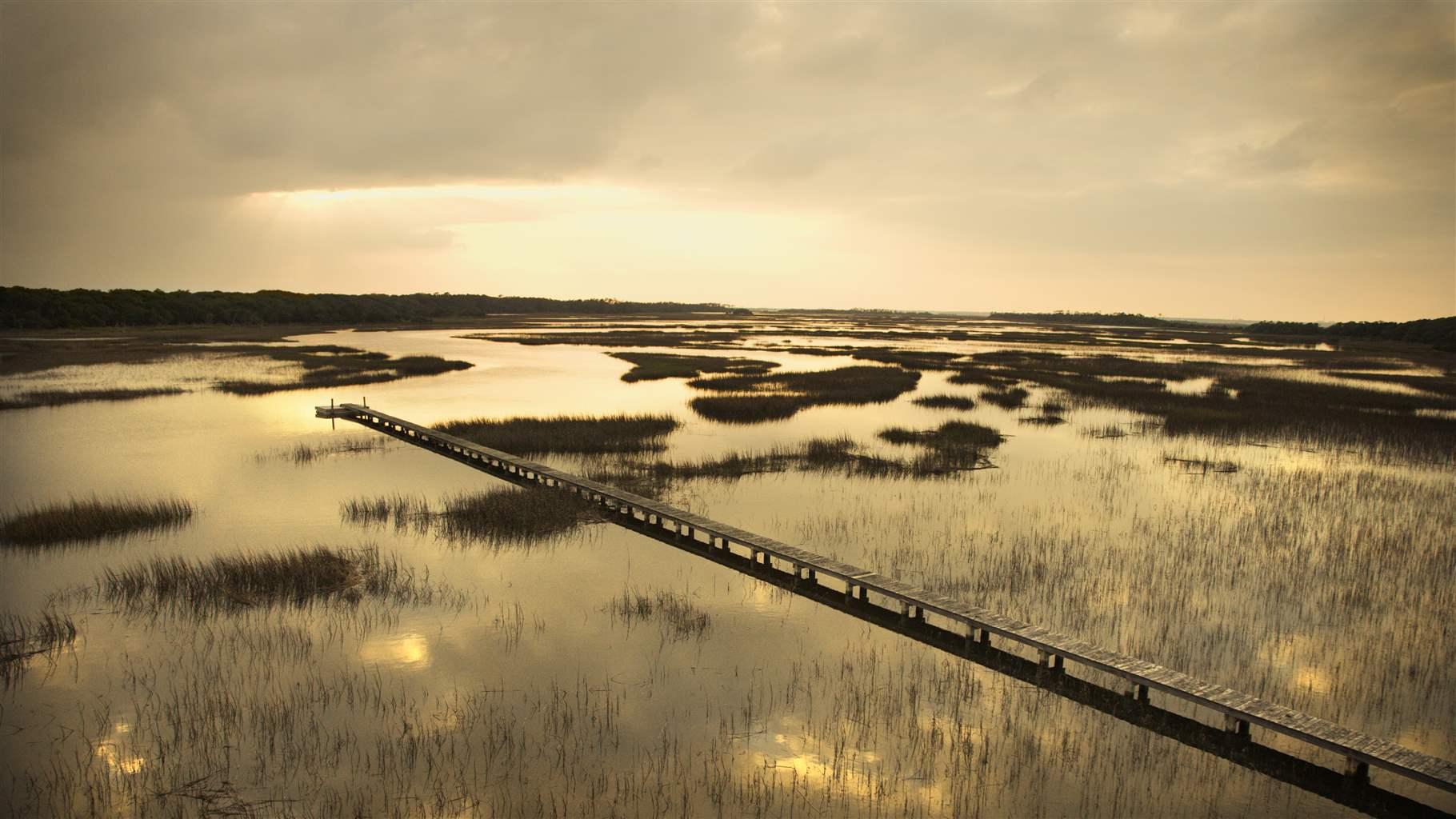
Peatlands Are Nature’s Hidden Ally
Discover Pew’s research and insights on these vital wetland ecosystems
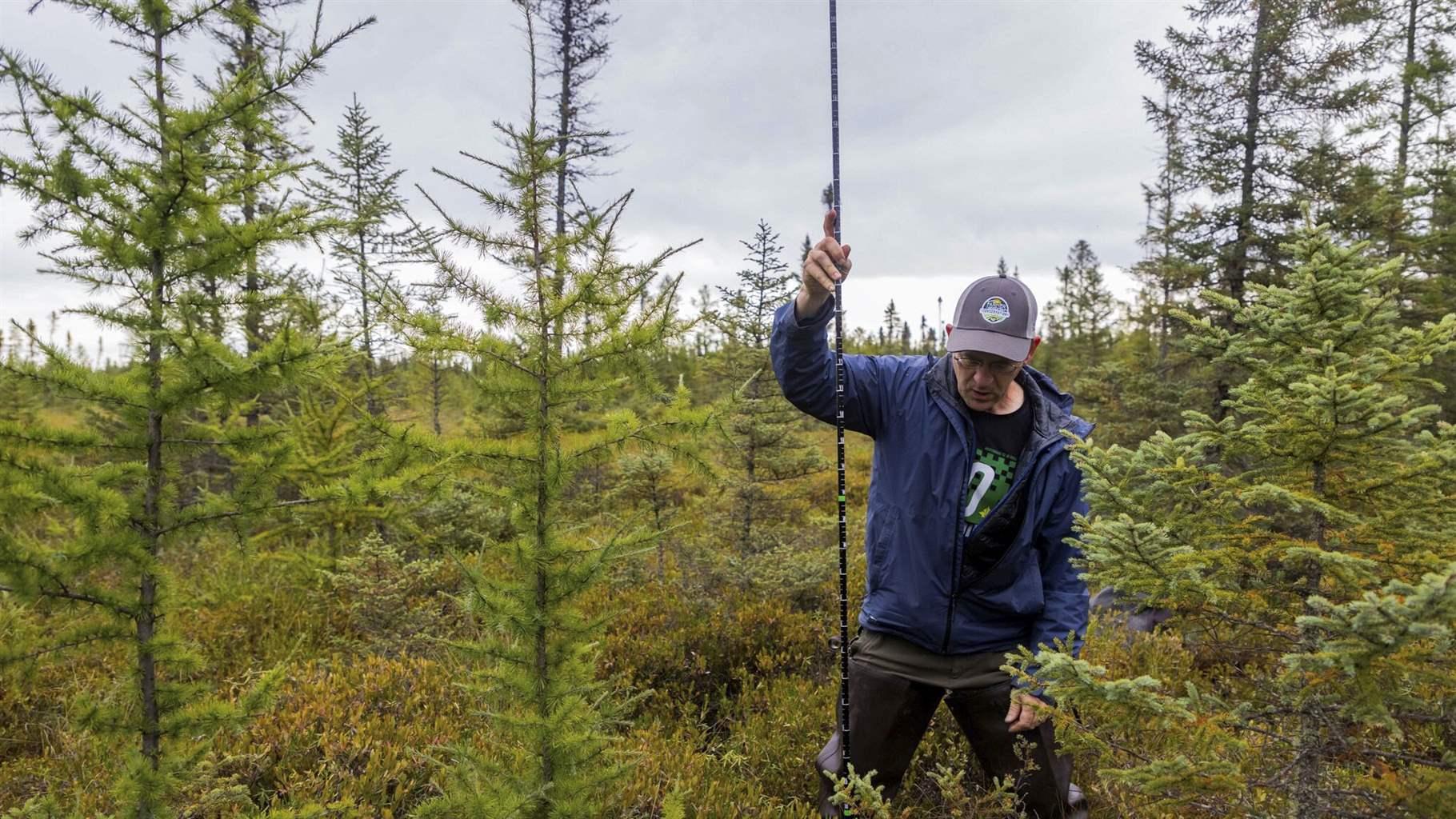
Nestled within iconic landscapes throughout the United States, from the misty Adirondack Mountains in New York to North Carolina’s swamps to Alaska’s Tongass National Forest, the United States’ peatlands are quiet powerhouses. Beneath their mossy carpets lie layers of carbon-rich soil so deep that, in some places, they could swallow a three-story building.
Also known as bogs, fens, pocosins, muskegs, and mires, peatlands cover only a sliver of U.S. land, yet they contain about 20% of the soil-stored carbon in the country—or an estimated 14 billion metric tons—an amount that, if released, would generate emissions roughly equivalent to nearly 12 billion gas-powered cars driven for one year.
What makes these wetlands such massive carbon sinks is their soils, which stay waterlogged year-round, creating oxygen-poor conditions that prevent microbes from fully breaking down dead plants. This vegetation accumulates in layers over thousands of years, locking away the carbon it holds.
And peatlands do more than capture and store carbon. They act as natural sponges and filters, soaking up stormwater and reducing flood risks for nearby communities, improving water quality by trapping pollutants before they reach rivers and lakes. They even help prevent catastrophic wildfires. Peatlands also sustain wildlife—from rare orchids to the critically endangered red wolf—and hold cultural significance for Indigenous peoples who have relied on these landscapes for generations.
Despite these wide-ranging benefits, peatlands are quickly disappearing as they are drained and diked for farming or development. Protecting and restoring them isn’t just an environmental imperative, it’s an investment in cleaner water, safer communities, and a more stable climate.
The research and analyses collected here explore the ways peatlands benefit ecosystems, communities, and economies, and detail The Pew Charitable Trusts’ efforts to support and strengthen their protection.
People