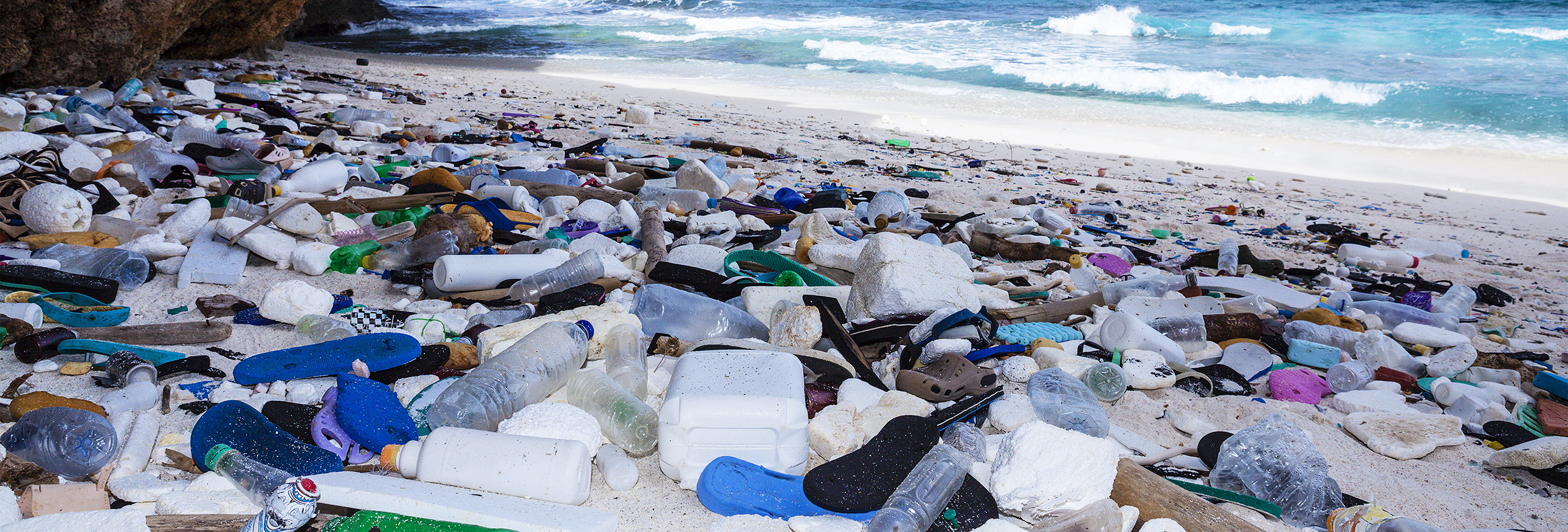
Microplastics are tiny pieces of plastic, less than 5 millimetres in size, that research shows are major contributors to plastic pollution and are found throughout the environment—from the slopes of Mount Everest to the deep sea—as well as in humans and other animals.
Once in the environment, microplastics are almost impossible to remove and can have wide-ranging physical and chemical impacts. When inadvertently consumed by wildlife, they inhibit growth and reduce survival rates. And microplastics can enter the food chain and drinking water supply and eventually be consumed by people.
Sources of microplastic releases into the environment include paint, tyres, plastic pellets, textiles, personal care products, detergents, agricultural fertilisers and other goods, recycling, and the breakdown of larger pieces of plastic pollution.
So far, governments have tried to tackle microplastic pollution by banning microbeads in personal care products and, in the European Union, taking steps to cut pollution from tyres and plastic pellets. Although such measures are a good start, addressing microplastic pollution across sources demands more urgent global action.
To support these efforts, The Pew Charitable Trusts works with policymakers, industry and others in the EU, the United States and around the world to conduct research and promote ambitious measures to reduce microplastic pollution.
People
