Overview
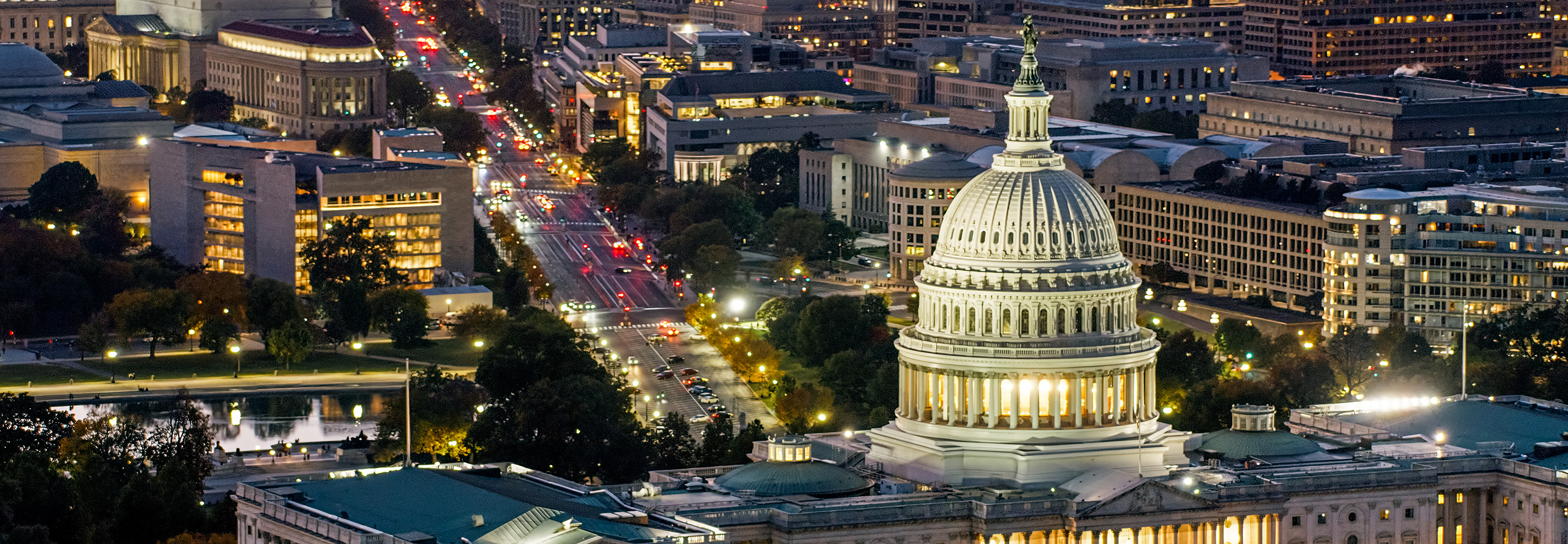
Nonpartisan, fact-based improvements in federal policy can create jobs, lower costs, and help the nation prepare for the future. When our research shows that small changes can have a big impact, we work across party lines to improve national challenges like housing affordability, internet access, energy reliability, and health care.
We also study the partnership that exists between national and state governments, finding best practices and analyzing how federal decisions affect state budgets.

With the upcoming 250th anniversary of the United States, the youngest generation of lawmakers is demonstrating how they’re working together more effectively and rebuilding trust in U.S. democracy.

Homelessness is at a record high today in the U.S. It may feel like an intractable problem, but our own history shows that extremely low rates of homelessness are not only possible, but prevailed here just 50 years ago. The reason? Back then, millions of small, cheap housing units were available, but overregulation put in place primarily over the 1950s to the 1970s decimated them. We can bring back a better-quality version of that housing, but only if policymakers cut the unnecessary red tape and take action.

The United States was about half as old as it is today when the entrepreneurial Joseph Newton Pew Sr., seeking a waterfront refinery for his business, Sun Oil, found a location along the Delaware River and opened an office in Philadelphia. The move would connect the Pew family with the inspiring city that is the birthplace of the nation—and launch an enduring mission to extol, expand, and strengthen the ideals of democracy.
Trust Magazine

As Congress continues to work on the next surface transportation bill, experts from state transportation and wildlife agencies, Tribal organizations, the insurance industry, and the engineering sector gathered on Capitol Hill on April 23 to make the case to lawmakers for continued federal investment in wildlife crossings.
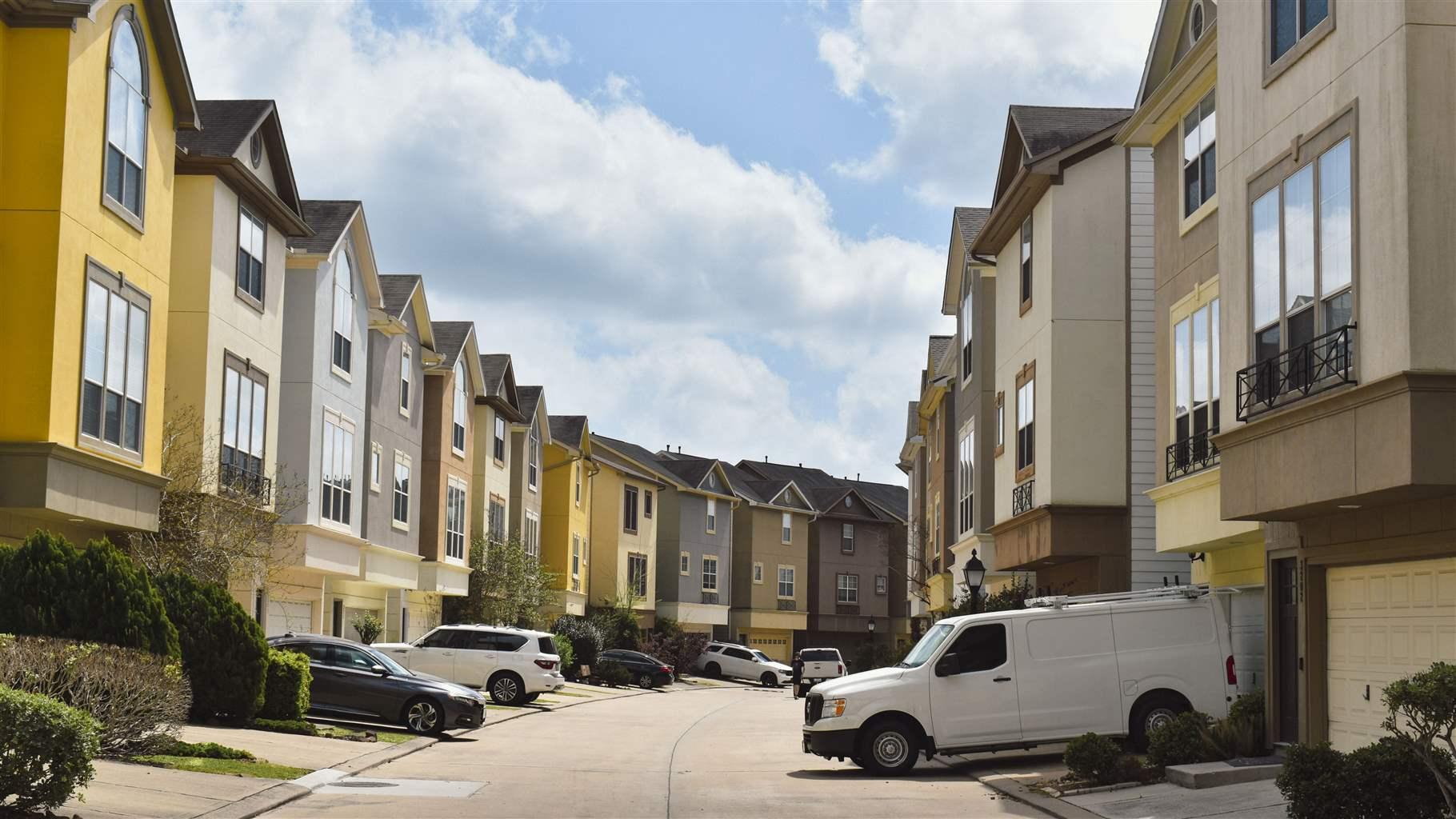
On March 10, 2026, The Pew Charitable Trusts sent a letter to Chairman Tim Scott and Ranking Member Elizabeth Warren of the Senate Committee on Banking, Housing, and Urban Affairs regarding the 21st Century ROAD to Housing Act, which is currently being considered in the Senate.
Our Work

Good health is important to everyone. Pew conducts research and provides information and fact-based recommendations to state agencies, hospitals, researchers, and other health partners to help them provide better care. We find and share evidence-based practices to improve Americans’ health and well-being, including services that can prevent suicide, improve mental health care, and treat substance use disorder.
Latest In Advance Health & Well-Being

Communities throughout the country share common needs: affordable connections to broadband Internet, modern and reliable energy infrastructure, effective responses to mental health challenges, and ways to resolve legal disputes more quickly and fairly. To address these issues, Pew collaborates with states and local governments to find and promote evidence-based solutions that help provide stability and opportunity.
Latest In Build Communities

Nonpartisan, fact-based improvements in federal policy can create jobs, lower costs, and help the nation prepare for the future. When our research shows that small changes can have a big impact, we work across party lines to improve national challenges like housing affordability, internet access, energy reliability, and health care.
Latest In Improve Federal Policy
/16x9_m.jpg?mw=1820&hash=5F8FAF0A76E455308483138D9B65A461)
Economic opportunity is the foundation of American society. Pew supports national, state, and local efforts to expand opportunity and promote financial well-being. Our work helps people pay off student loans, navigate court proceedings such as debt collection, buy or rent a home, access affordable internet, and save for their retirement.
Latest In Improve Economic Advancement

The global ocean teems with life, and it contributes to the vital cycles that keep people and our planet healthy. But the seas are vulnerable to overfishing, loss of habitat such as seagrasses and mangroves, ineffective fisheries management, plastic pollution, and declining biodiversity. These mounting losses affect the coastal communities that depend on the ocean for food and jobs.
Latest In Protect Marine Life
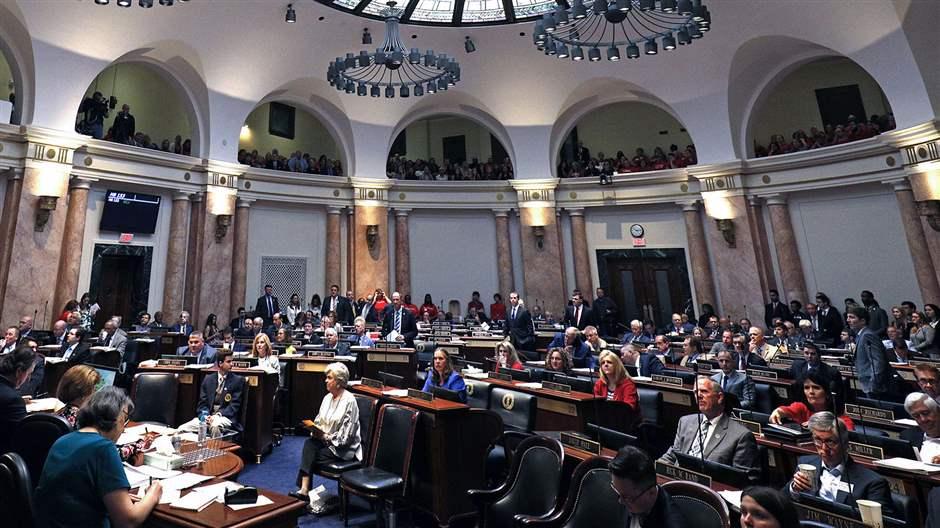
States and cities are the “laboratories of democracy” in America—the places where lawmakers and governors look for new ways to help their communities succeed. Whether in Pew’s hometown of Philadelphia or any of the 50 state capitals, we help elected leaders respond to the needs of their citizens, use public dollars wisely, fix outdated policies, and build a better future for all.
Latest In Strengthen State Government

Conserving natural spaces conveys benefits far beyond the gains to wildlife and their habitats. As scores of studies show, protecting and restoring lands and waters, particularly when done in close partnership with local communities, also improves people’s lives—and local economies—by increasing tourism and outdoor recreation.