Peatlands Are Central to Minnesota’s Climate Strategy —The Time to Act Is Now
The state’s updated Climate Action Framework recognizes forests, wetlands, grasslands—and especially peatlands—as practical assets that protect communities, support local economies, and safeguard the state’s outdoor heritage

From catastrophic flooding to extreme heat and wildfire smoke, Minnesotans increasingly find themselves on the front of lines of a changing climate, with more of the kinds of conditions that strain public resources, disrupt livelihoods, and affect day-to-day life. Fortunately, Minnesota is demonstrating collaboration and leadership. The February release of its updated Climate Action Framework lays out a set of practical strategies to help communities prepare for what they are facing and protect what makes Minnesota, Minnesota.
At its core, the updated framework establishes goals across major sectors ranging from transportation to natural resource management and practical strategies that reduce carbon pollution, strengthen the state’s economy, and improve the quality of life statewide. It’s also an important reminder that some of Minnesota’s best policy opportunities can be found in the state’s natural and working lands.
The framework identifies a focused and expanded set of actions for Minnesota’s natural and working lands—farms, forests, wetlands, and grasslands. When healthy and well managed, these landscapes help to reduce carbon pollution, buffer communities from floods and drought risk, improve water quality, support livelihoods, enhance how communities grow and access food, and sustain cultural traditions. They also provide measurable environmental benefits. Today forests, wetlands, and grasslands already offset roughly 10% of the state’s greenhouse gas emissions. Protecting and restoring these lands is a cost-effective way to meet Minnesota’s greenhouse gas reduction targets and deliver economic, ecological, recreational, and cultural benefits to people and nature.
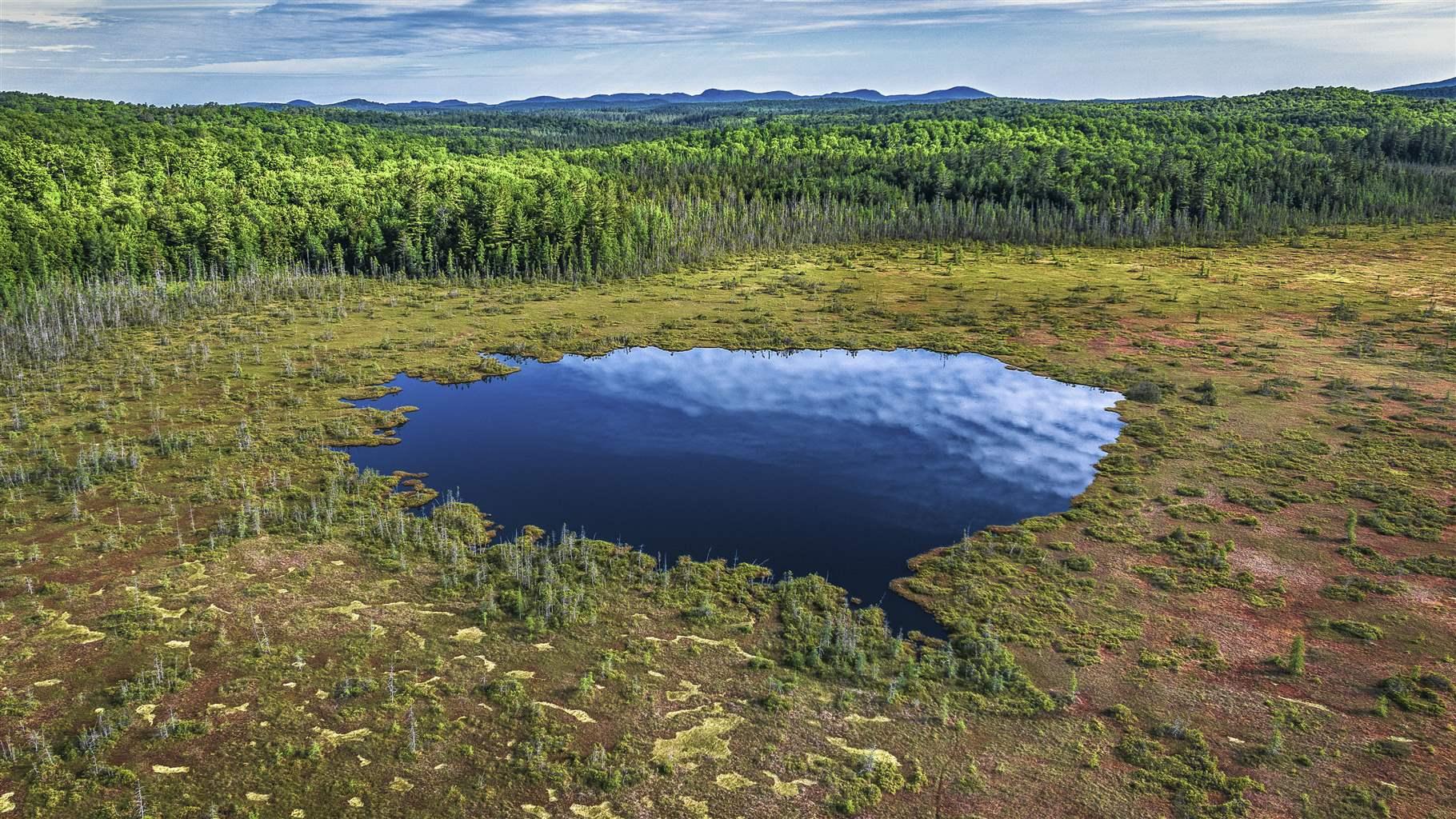
One of the most practical, and sometimes overlooked, assets is peatlands, which the framework rightly elevates as one of its “Six Big Things Now,” immediate actions the state must take to address climate change. Minnesota is home to 6 million to 7 million acres of peatlands, more than any state in the contiguous United States. They do a lot of quiet work for Minnesotans by helping to boost water quality, mitigate flooding, and support the plants, animals, and outdoor experiences people value. They also store enormous amounts of carbon, more per acre than forests, which means that keeping them intact and healthy delivers multiple dividends.
But these dividends aren’t guaranteed. When peatlands are drained or degraded, they can become major sources of carbon pollution. However, when they’re protected and their natural water levels are restored, those benefits return, and the land can once again serve as a powerful asset.
The fact that peatland restoration is part of the state’s larger framework for action reflects the scale of the opportunity and what’s at stake if we don’t act.
For example, state modeling underscores the risk that Minnesota’s forests, grasslands, and wetlands could lose their ability to absorb carbon pollution in the future without sustained action. At the same time, the framework illustrates what is possible: Restoring half of the state’s 1 million acres of degraded peatlands would reduce emissions by approximately 2.33 million metric tons of carbon dioxide. That’s roughly equal to the annual emissions from 500,000 gasoline-fueled cars.
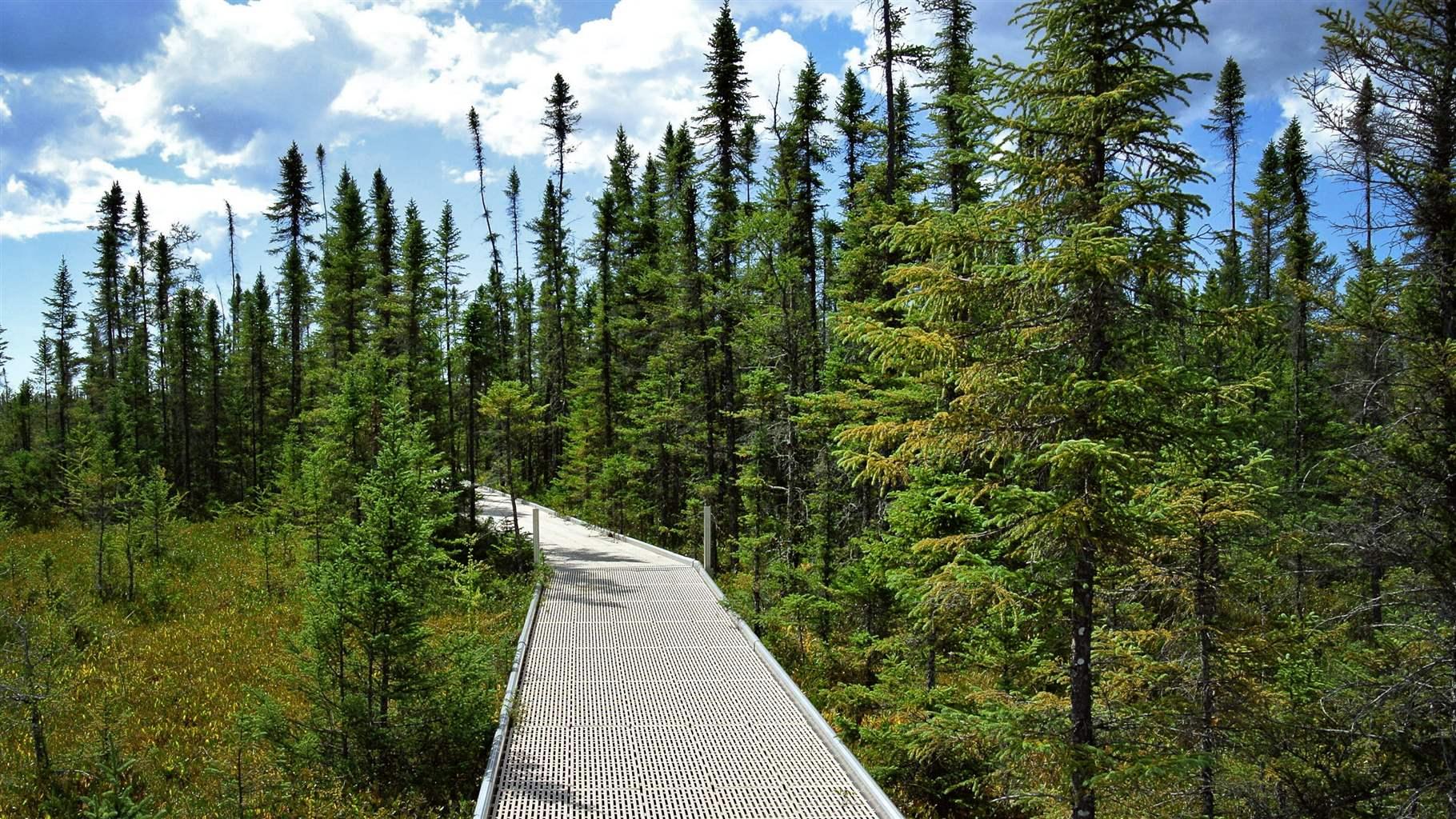
Minnesota must now match its ambition with implementation. That means partnering with Tribal Nations, local governments, and private landowners to restore degraded peatlands, embedding strong peatland protections in state policies such as the Wetland Conservation Act, and mobilizing new funding sources—including innovative public and private funding mechanisms to underwrite these efforts. It also means leading by example on state-managed lands, such as school trust lands, and honoring the central role Tribal Nations play as the original stewards of Minnesota’s lands and waters. Fortunately, Minnesota agencies have a strong foundation for peatland conservation, including a statewide inventory and projects underway to restore 10,000 acres, positioning the state to scale up what works.
Minnesota deserves recognition for charting a strong course. Its updated Climate Action Framework shows what practical, long-term leadership and actions can look like. Now, the state must act decisively because protecting natural and working lands, especially peatlands, is an investment in community well-being, local economies, and the outdoor traditions Minnesotans want to pass on to future generations.
Sylvia Troost directs work on nature-based climate mitigation strategies for The Pew Charitable Trusts’ U.S. conservation project.
People


/16x9_m.jpg?mw=1820&hash=4C8AC0442DCF39C08321E82F1DA91C38)


