Pew Commends Oregon for Prioritizing Wetlands in Carbon Inventory
Advanced mapping, clear restoration targets, and tribal collaboration can further boost state’s climate resilience

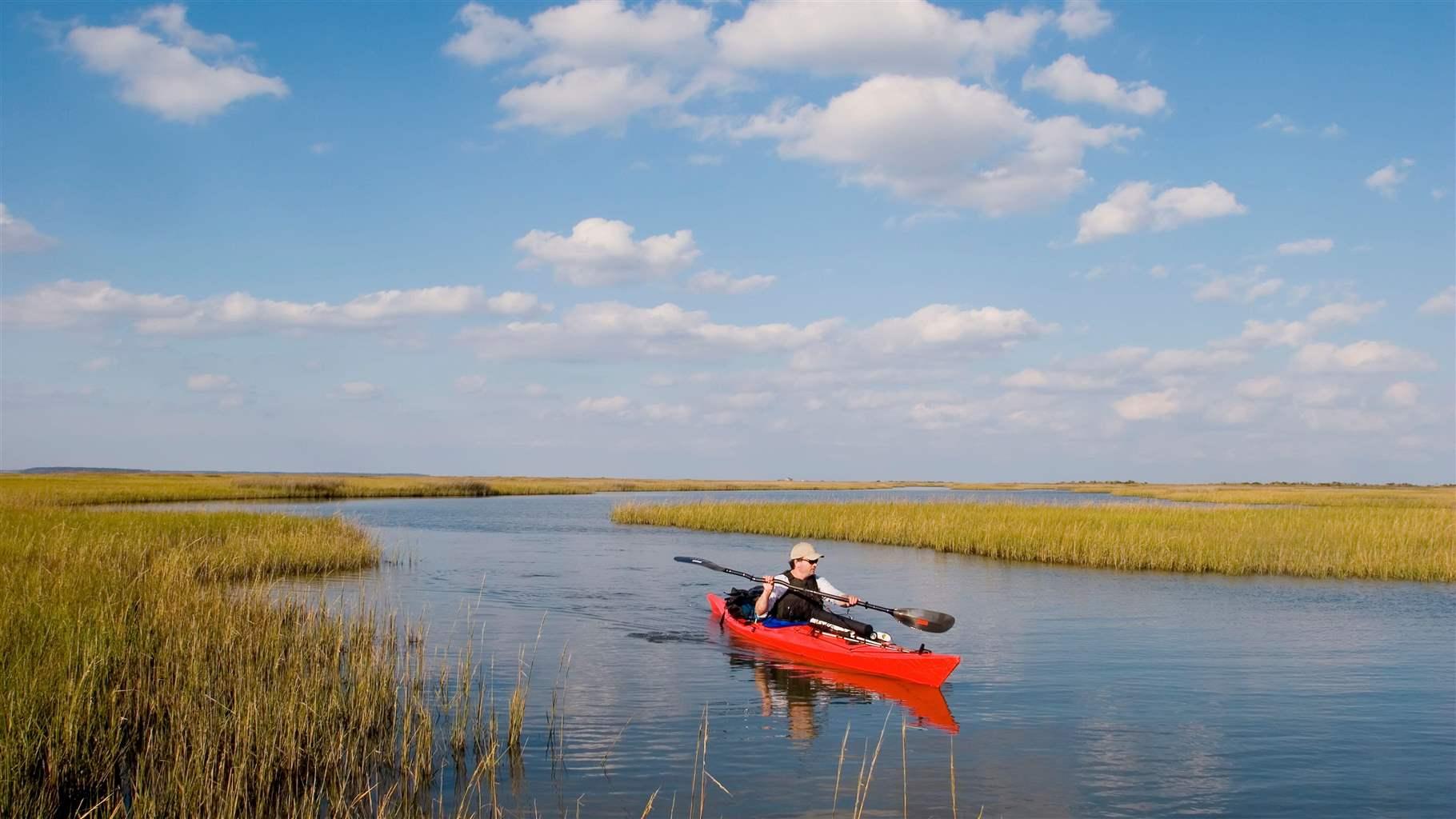
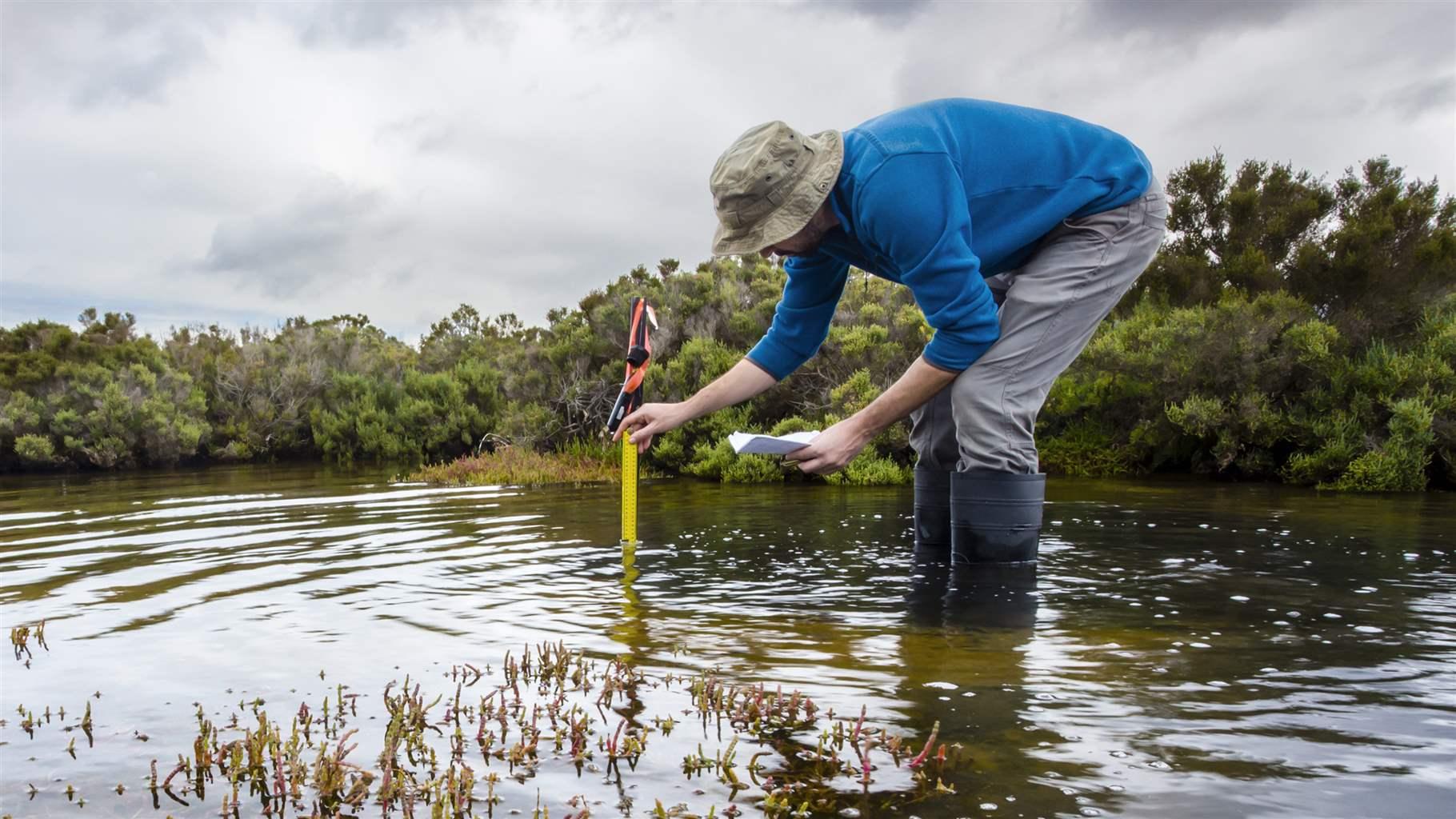
In a Dec. 19 letter, The Pew Charitable Trusts applauded Oregon’s Department of Energy and Climate Action Commission for recognizing wetlands as powerful carbon sinks—natural environments that can sequester significant amounts of carbon dioxide from the atmosphere—in the state’s “Land-Based Net Carbon Inventory.” Pew’s letter also urged Oregon to adopt advanced mapping tools to find and protect high-carbon habitats, including coastal areas such as eelgrass beds and freshwater peatlands, which can boost community resilience, reduce flood and wildfire risks, and support wildlife.
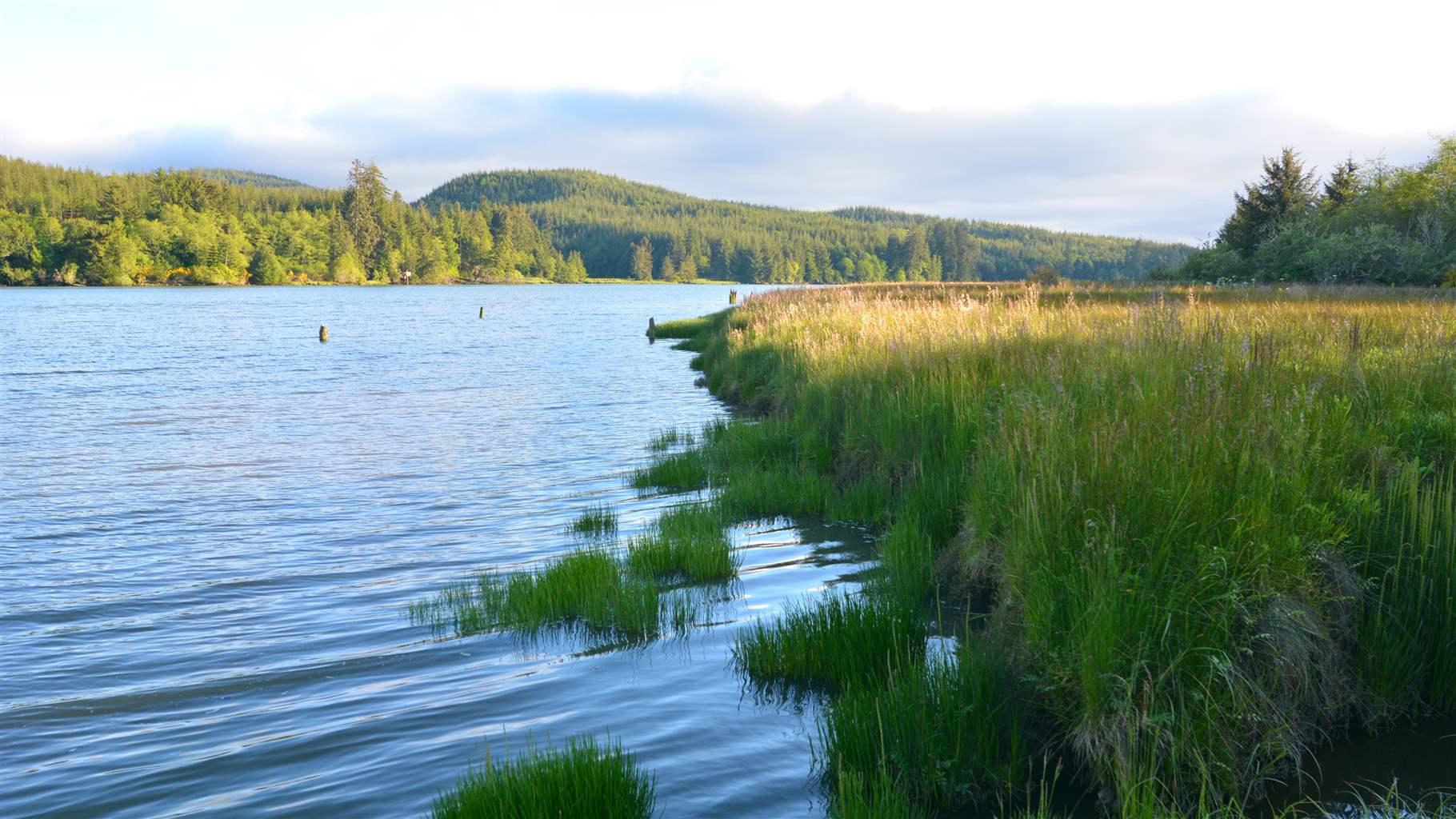
The new inventory focuses on carbon captured by and released from “natural and working lands”—a range of lands, from fully natural habitats to farms and ranches, that could or do yield benefits due to conservation—and lays a strong foundation for guiding nature-based climate solutions and adaptation strategies throughout Oregon. The inventory also shows how protection and restoration efforts have increased carbon capture in Oregon’s tidal wetlands.
Pew calls on Oregon officials to set clear, measurable targets for wetland conservation and to work closely with local governments as well as Tribal Nations to ensure that Indigenous knowledge shapes future improvements.
People