
Overview
States and cities are the “laboratories of democracy” in America—the places where lawmakers and governors look for new ways to help their communities succeed. Whether in Pew’s hometown of Philadelphia or any of the 50 state capitals, we help elected leaders respond to the needs of their citizens, use public dollars wisely, fix outdated policies, and build a better future for all.
Pew uses data and evidence to develop proven, nonpartisan strategies to address important issues such as housing, health care, court procedures, and infrastructure--all within the constraints of responsible fiscal management and a balanced budget.

The risks to government finances of acute shocks, such as economic downturns, public health emergencies, and natural hazards, are well-established, and policymakers have a range of tools at their disposal to safeguard their states against these temporary disruptions. By contrast, emerging trends—profound and lasting economic and social shifts that take shape gradually—can alter the foundations of state budgets in ways that are less fully understood and more difficult to prepare for.
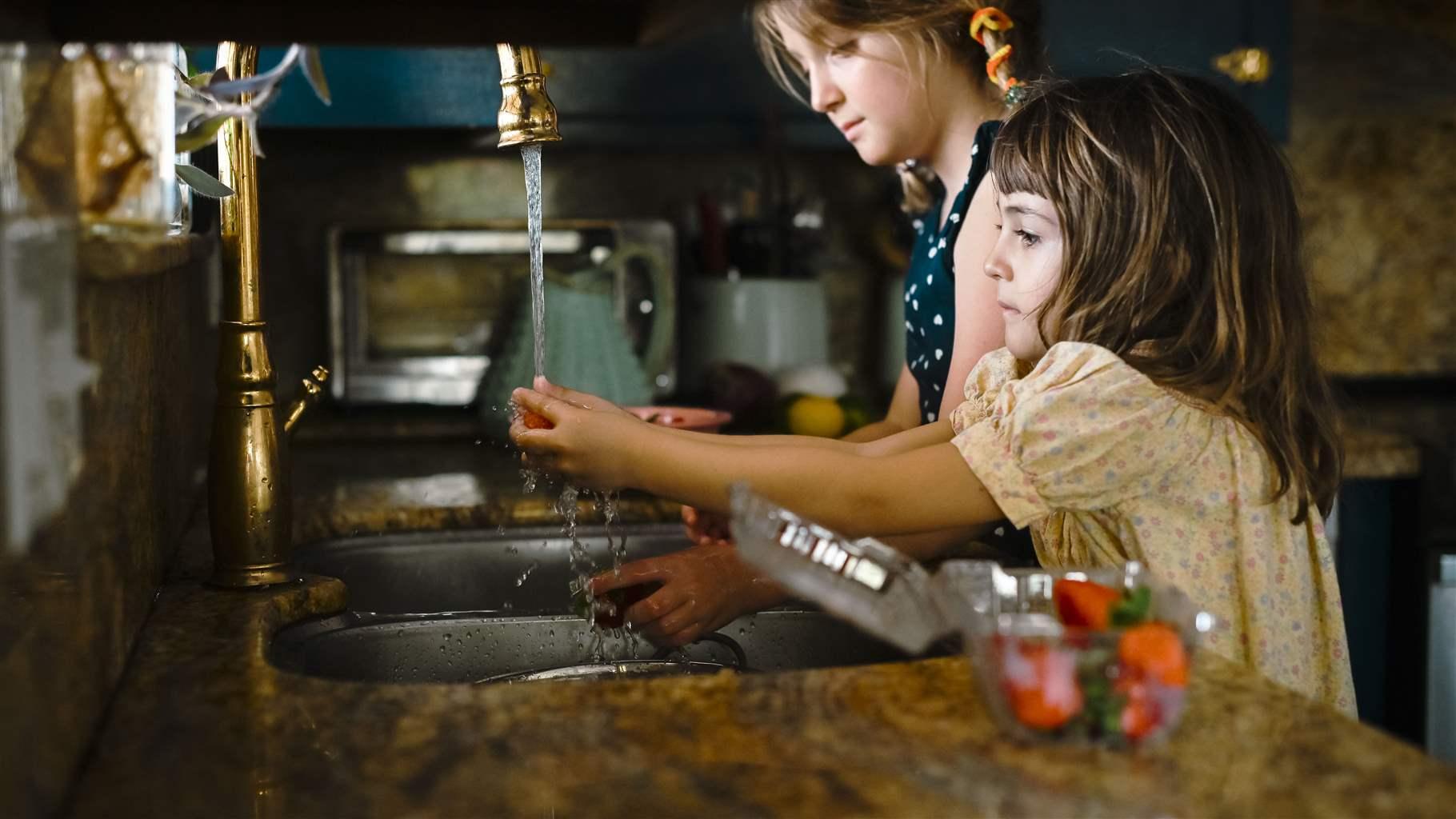
The United States’ water infrastructure is aging. Federal surveys conducted in 2021 and 2022 found that the country’s drinking and clean water systems will need more than $1.2 trillion in repairs, maintenance, and upgrades over the next two decades. The bulk of this investment will be financed at the local level through higher water rates, which have not kept pace with rising operations and maintenance costs.

States are underinvesting in roads and bridges. Previous research from The Pew Charitable Trusts has found that state roadways face a combined maintenance and repair shortfall of $86.3 billion over the next 10 years.

Employer support for auto-IRAs is important: While employers have almost no role in the programs, they facilitate payroll deductions for participating employees. Prior to OregonSaves—the first state ASP—opening in 2017, a nationwide Pew survey found strong employer support for the idea of a state program; a subsequent Pew survey of Oregon employers participating in OregonSaves found that employers generally supported the program.
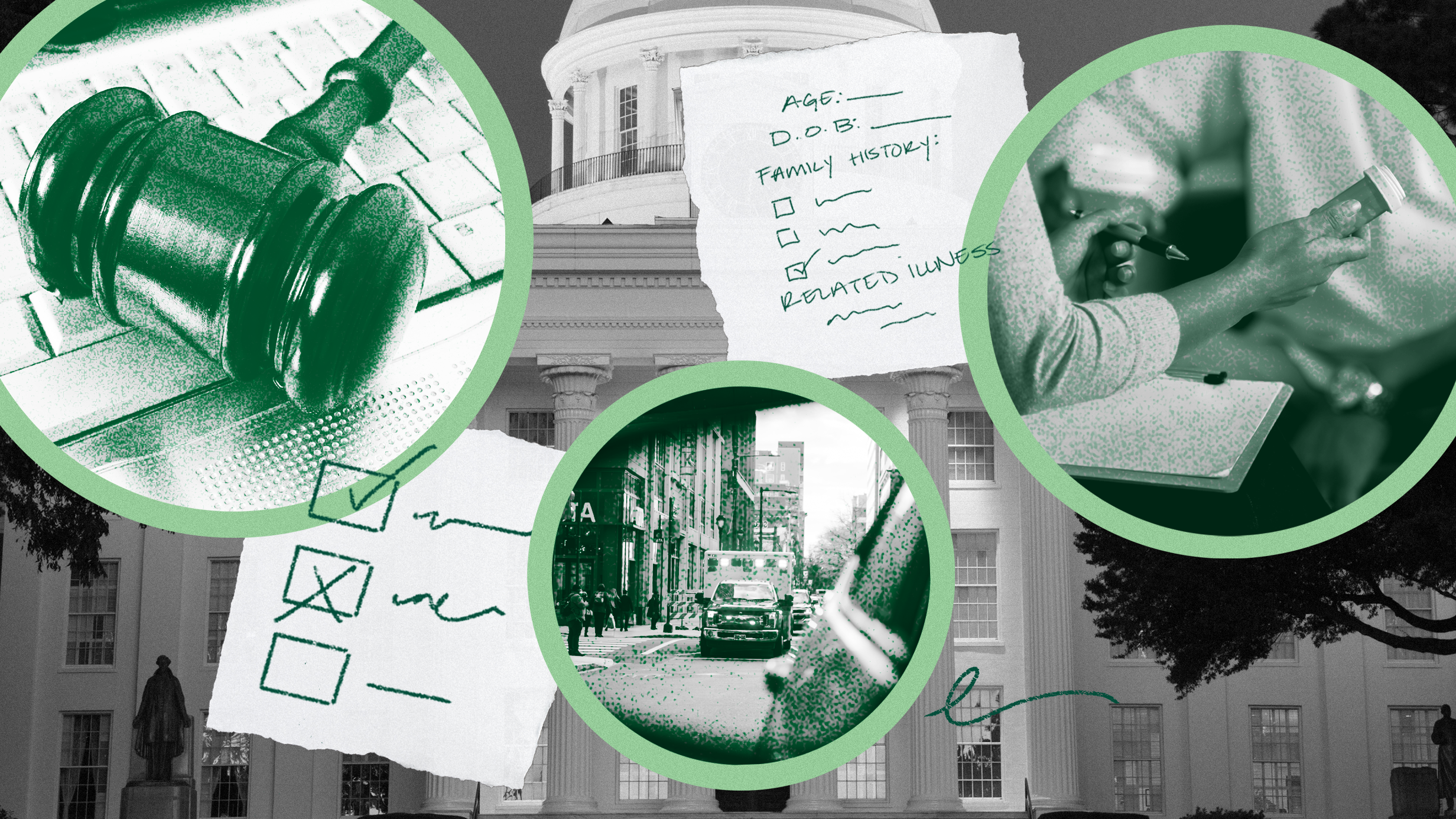
Like millions of Americans, many Alabamians have been affected by opioid use disorder. From 2006 to 2014, fatal drug overdoses (including, but not limited to, opioids) in Alabama grew 82%. By 2016, the state led the nation in per capita opioid prescriptions, with a rate of 121 prescriptions for every 100 people.
Our Work

Good health is important to everyone. Pew conducts research and provides information and fact-based recommendations to state agencies, hospitals, researchers, and other health partners to help them provide better care. We find and share evidence-based practices to improve Americans’ health and well-being, including services that can prevent suicide, improve mental health care, and treat substance use disorder.
Latest In Advance Health & Well-Being

Communities throughout the country share common needs: affordable connections to broadband Internet, modern and reliable energy infrastructure, effective responses to mental health challenges, and ways to resolve legal disputes more quickly and fairly. To address these issues, Pew collaborates with states and local governments to find and promote evidence-based solutions that help provide stability and opportunity.
Latest In Build Communities

Nonpartisan, fact-based improvements in federal policy can create jobs, lower costs, and help the nation prepare for the future. When our research shows that small changes can have a big impact, we work across party lines to improve national challenges like housing affordability, internet access, energy reliability, and health care.
Latest In Improve Federal Policy
/16x9_m.jpg?mw=1820&hash=5F8FAF0A76E455308483138D9B65A461)
Economic opportunity is the foundation of American society. Pew supports national, state, and local efforts to expand opportunity and promote financial well-being. Our work helps people pay off student loans, navigate court proceedings such as debt collection, buy or rent a home, access affordable internet, and save for their retirement.
Latest In Improve Economic Advancement

The global ocean teems with life, and it contributes to the vital cycles that keep people and our planet healthy. But the seas are vulnerable to overfishing, loss of habitat such as seagrasses and mangroves, ineffective fisheries management, plastic pollution, and declining biodiversity. These mounting losses affect the coastal communities that depend on the ocean for food and jobs.
Latest In Protect Marine Life
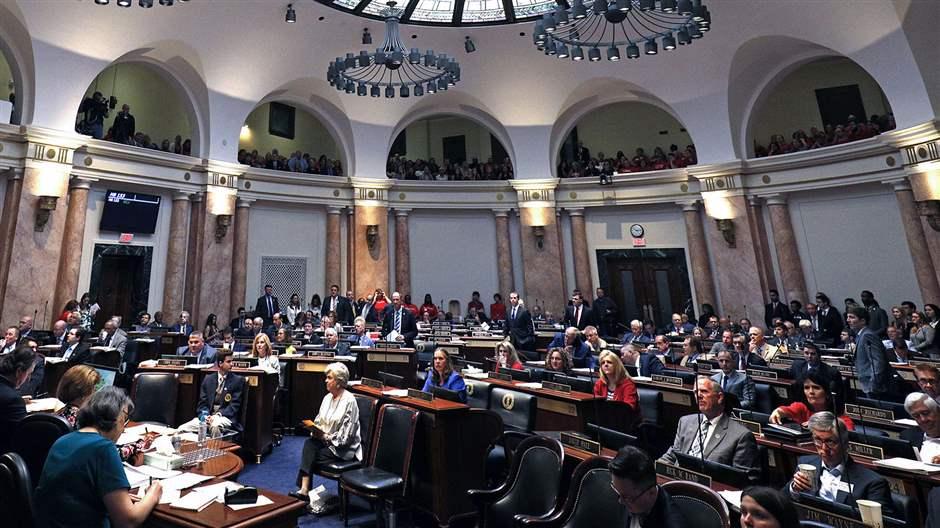
States and cities are the “laboratories of democracy” in America—the places where lawmakers and governors look for new ways to help their communities succeed. Whether in Pew’s hometown of Philadelphia or any of the 50 state capitals, we help elected leaders respond to the needs of their citizens, use public dollars wisely, fix outdated policies, and build a better future for all.
Latest In Strengthen State Government

Conserving natural spaces conveys benefits far beyond the gains to wildlife and their habitats. As scores of studies show, protecting and restoring lands and waters, particularly when done in close partnership with local communities, also improves people’s lives—and local economies—by increasing tourism and outdoor recreation.