WATCH: Broadband’s Next Chapter Belongs to States
Pew experts present the four policy cornerstones that states need to achieve universal high-speed internet access
Historic federal investments in broadband access are helping to bring millions of Americans online and raising the bar for internet service nationwide. But that funding was never meant to permanently address the long-term availability, affordability, performance, and quality of broadband. States face a pressing question: How do they maintain the progress they have made on this essential infrastructure—and how do they keep it going when one-time federal dollars are gone?
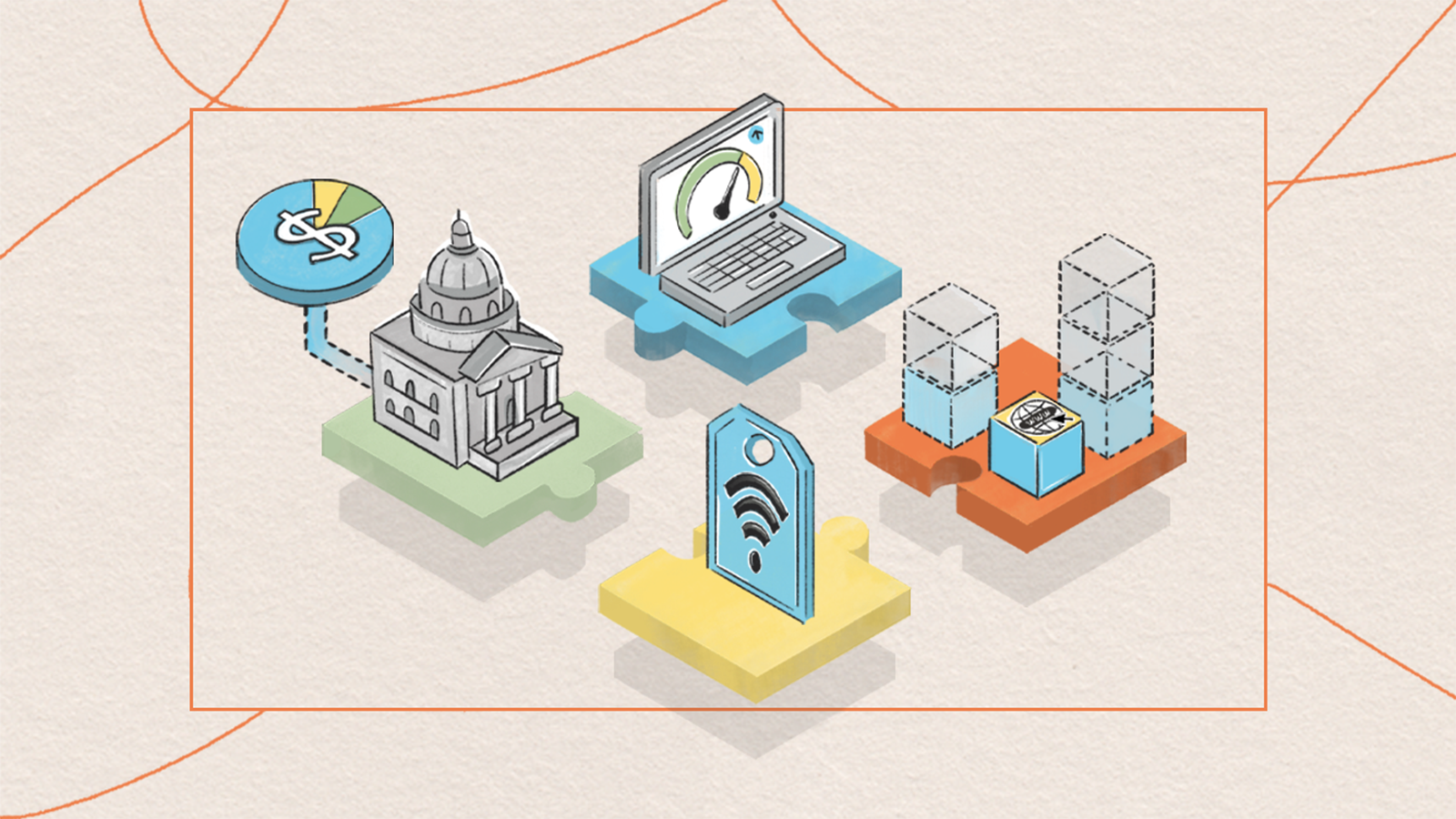
New research from The Pew Charitable Trusts points to an answer. Durable solutions for broadband access rest on four state policy cornerstones: dedicated deployment funding, affordability requirements, minimum speed standards, and network scalability requirements.
On Wednesday, Oct. 21, Kathryn de Wit and Colby Humphrey of Pew’s broadband access initiative presented this research to state policymakers and outlined a state-led path forward, including ways to:
- Defend the broadband gains states have already made.
- Build a foundation for broadband service that outlasts one-time federal funding.
- Expand affordable, high-speed internet access in ways that fit the needs of individual states.
People


