Strategies for Deferred Maintenance in State-Owned Buildings
Policy challenges and approaches to maintaining public facilities
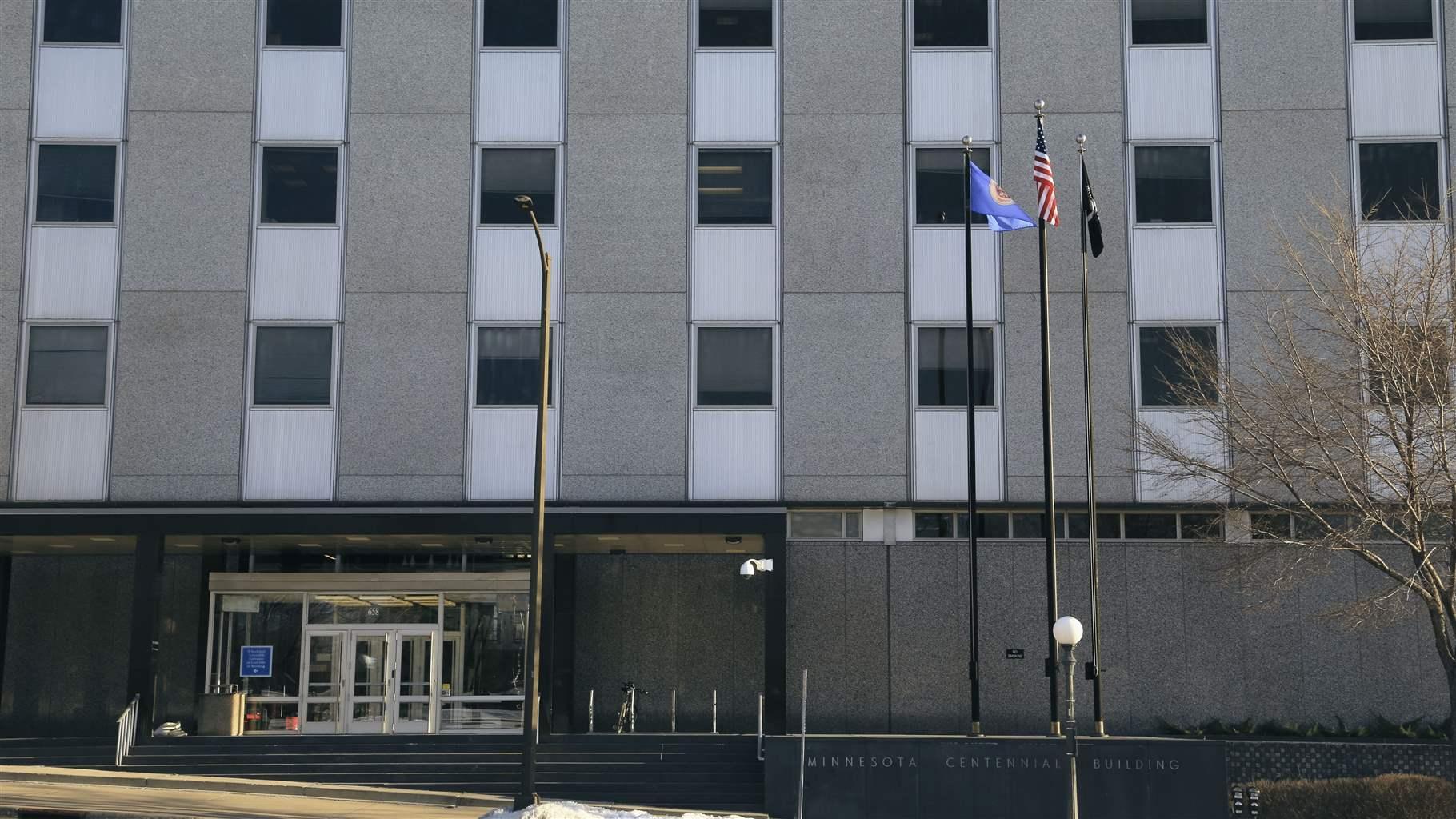
States may be facing a nearly $100 billion backlog for maintenance and repairs of publicly owned buildings after decades of insufficient investments in upkeep. Although comprehensive estimates of deferred maintenance for buildings are difficult to pin down, recent disclosures include reported funding gaps of $85 billion for public schools nationwide, as much as $32 billion for state and local correctional facilities, and more than $76 billion for higher education facilities. As the backlog grows, so too do the financial burden on taxpayers and the operational strain on agencies.
A new report, produced by the National Conference of State Legislators (NCSL) with support from The Pew Charitable Trusts, looks at the challenges of maintaining state buildings and highlights several policy considerations for states seeking to address years of delayed repairs. Among NCSL’s key findings are:
Comprehensive data improves maintenance processes
Many states lack even basic data about their facilities, such as complete lists of public assets, their condition, and age. Without this information, states are often unable to identify or prioritize needed repairs, effectively allocate resources, or conduct long-term planning.
States should consider adopting a standardized asset management system that includes up-to-date inventories detailing buildings’ age, condition, repair history, and estimated life cycle costs. This type of documentation can enable states to develop processes for tracking deferred maintenance costs.
Minnesota has made significant strides toward better management of state-owned facilities. The first step was the development of a database, maintained by the state’s Department of Administration, that catalogues the state’s more than 6,000 properties and includes standard condition assessments for each building. The state uses the inventory to conduct annual cost reviews, which in 2024 revealed $1.54 billion in deferred maintenance for state-owned properties and projected that the state would need $2.97 billion to keep up with aging systems over the next 10 years, bringing the total anticipated costs for asset preservation through 2034 to $4.52 billion.
Facilities must be integrated into capital planning
States rely on capital planning to identify, prioritize, and budget for existing maintenance needs and new construction over the long term. However, not all states include state-owned buildings in their capital planning, which can lead to deferred maintenance and increased costs over time.
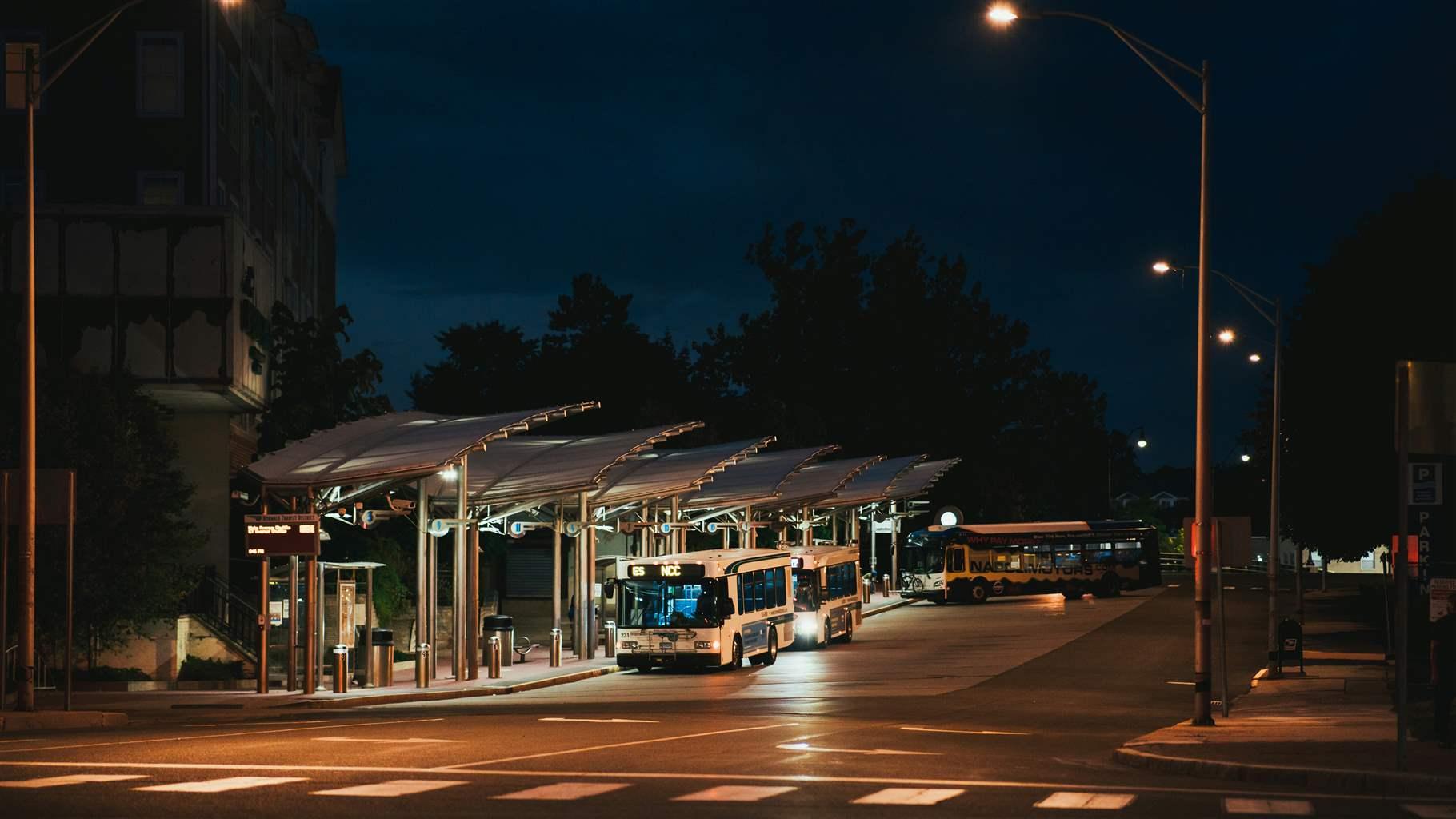
States should incorporate existing building maintenance needs, estimates for new construction projects, and consideration of how these needs meet long-term investment goals into their capital planning processes. Specifically, NCSL recommends that data on facility conditions, including maintenance schedules and life cycle cost estimates, be covered in capital improvement plans.
The NCSL report also highlights the use of tools such as a facility condition index (FCI) to help states assess and address their deferred maintenance needs. New research from the Volcker Alliance also supports use of FCIs as a data-driven approach to selecting and prioritizing projects and details how some states use this tool to manage their buildings.
Oklahoma has begun to take this type of comprehensive approach. In 2024, facing more than $1.48 billion in deferred maintenance across its higher education system and a roughly $100 million backlog for other state-owned buildings, lawmakers in the state created the Capital Assets Maintenance and Protection Fund and a related board to develop five-year maintenance plans and outline funding allocations beginning in fiscal year 2026. The board sets the priorities, and the Oklahoma Capitol Improvement Authority administers the fund and carries out funded projects, ensuring that the plans translate into action.
Long-term strategies can support sustainable funding
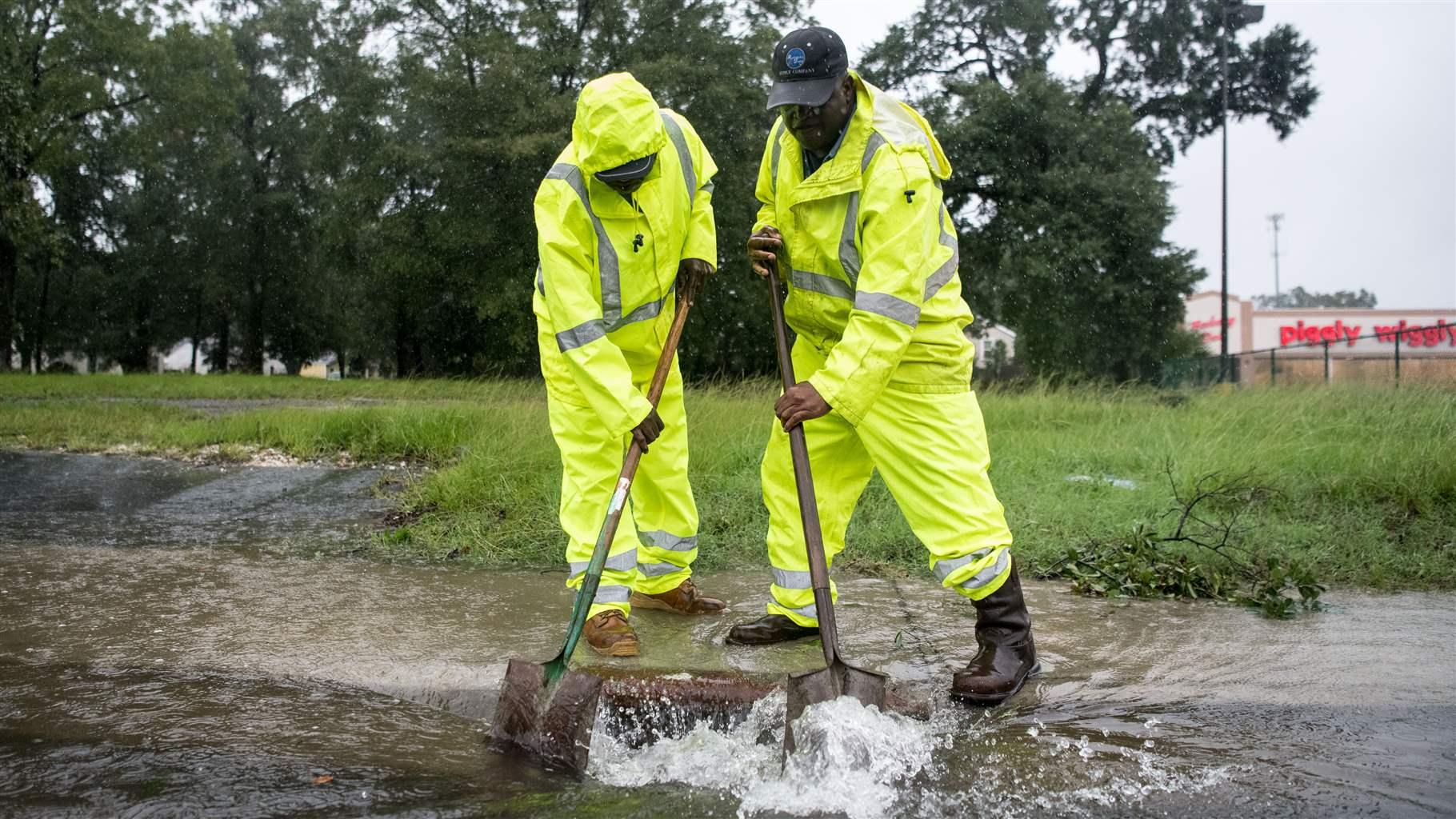
One reason states struggle with upkeep of their public facilities is the use of a “pay-as-you-go” funding model, which relies on ad hoc or one-time appropriations rather than ongoing investment and often prioritizes new construction while underfunding maintenance. To break this cycle, experts typically recommend establishing recurring and dedicated funding for maintenance. This could include generating revenue from user fees or creating statutory reserve accounts when a building project is first approved and should be paired with processes to ensure that reinvestment in existing assets is prioritized alongside new projects.

States have taken varying approaches to creating stable maintenance funding for public buildings. Idaho’s Permanent Building Fund provides a reliable funding base for new projects and capital maintenance that draws on multiple statutory revenue sources, including sales tax transfers, portions of cigarette and beer taxes, and lottery earnings. State agencies then submit maintenance proposals to a review council for prioritization and funding.
Meanwhile, in Washington, the Growth Management Act requires local governments to integrate maintenance into its long-term capital facilities plans and to forecast facility needs, identify funding sources, and plan for ongoing costs. And as part of its biennial capital budgeting process, the state requires its agencies to submit six-year facilities plans and capital preservation requests that include backlog reduction proposals. Together, these approaches show how dedicated funding and long-term planning requirements can help states move toward sustainable building preservation.
Addressing deferred maintenance requires more than one-time fixes. States should start with a comprehensive inventory of their facilities, use that information to estimate needs and integrate them into capital planning, and then identify sustainable funding to keep up with costs over time.
Aleena Oberthur is a project director, Fatima Yousofi is a senior officer, and Andrea Wales is a principal associate on Pew’s state fiscal policy project.
People


