Strategic Financing Can Support Durable Conservation Outcomes
Explore Pew’s work helping governments and partners implement solutions and policies
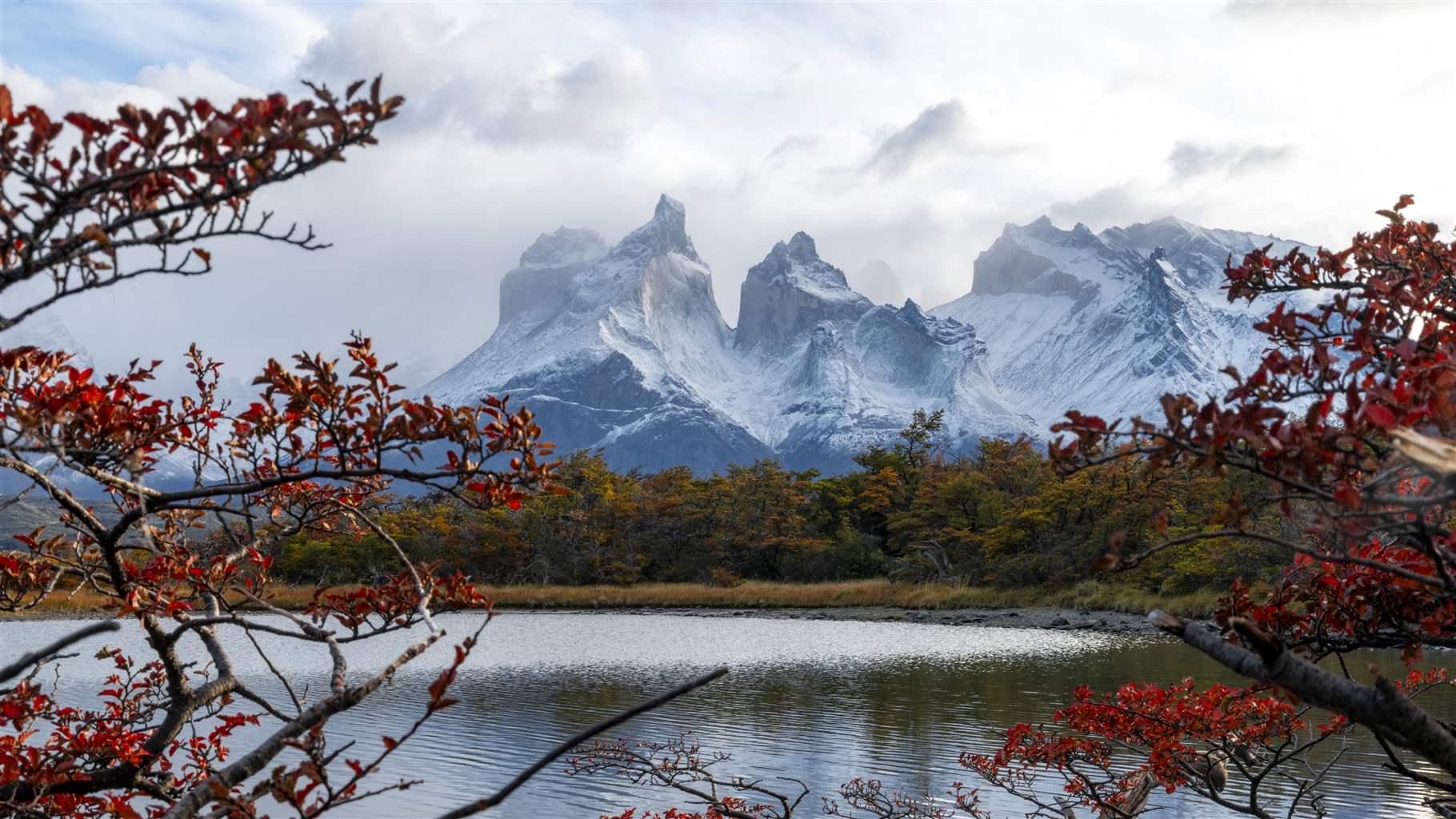
Nature is integral to cultures, communities, and economies worldwide—and it is under urgent threat. Protecting and restoring lands and waters—in close partnership with local communities—is vital for safeguarding and supporting wildlife, habitats, and people's quality of life. But conservation requires investment, and to date, private financing has been slow to materialize while public funding and philanthropy are insufficient to meet the need on their own.
The economic case for increased investment is compelling. For example, estimates suggest that, on average, protecting 30% of the planet would increase global economic output in 2050 by $250 billion and deliver $350 billion in ecosystem services—ecological processes that have value to people, such as providing cleaner air and water, and increased recreational opportunities. These benefits far outweigh the estimated costs.
The Pew Charitable Trusts provides expertise and assistance to governments and partners around the globe in developing innovative funding mechanisms, such as Project Finance for Permanence initiatives, sustainability-linked bonds, and debt conversions—all of which generate reliable long-term revenue for conservation. Pew is a founding member of the Debt for Nature Coalition—a collaboration among leading international organizations to ensure the quality and integrity of debt conversions and to double the number of successful conversions—and of Enduring Earth, an ambitious partnership to protect and conserve the world’s ocean, lands, and fresh water.
The resources collected here provide in-depth information on Pew’s research and work to advance conservation financing strategies, strengthen local capacity, and protect vulnerable ecosystems and communities.
People


