“Data Is at the Heart of What Public Health Does”
Kauai’s (Kauaʻi’s) district health officer uses data to meet her community’s needs
Data is key to protecting the health and safety of a community, from identifying and tracking disease outbreaks to ensuring that water is safe to drink.
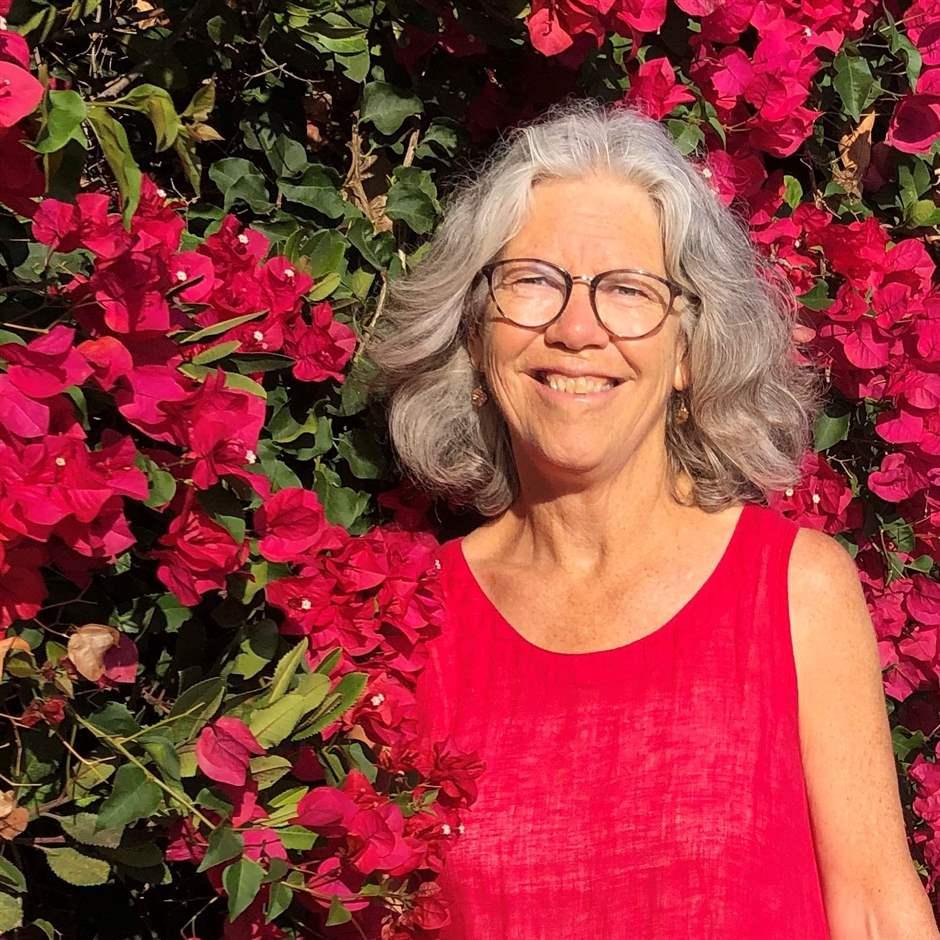
Data is also vital to understanding where resources are most needed. This value is especially apparent to the officials charged with protecting public health, such as Dr. Janet Berreman, Kauai’s (Kauaʻi’s)* district health officer.
Berreman explains how data helps to meet a community’s needs and how her experiences in the field have shaped her opinion on the value of public health. She previously spoke to The Pew Charitable Trusts about how she uses syndromic surveillance to protect public health.
This interview has been edited for clarity and length.
-
How do you use data in your role?
Data is at the heart of what public health does. Our role is to protect the health of entire communities, to prevent disease, and to promote well-being and long life. We can only know where we need to direct our energies if we know where the issues are, and we use data to learn about those issues. So the more complete, accurate, and reliable our data is, the better we can do our job.
-
What kind of data do you use?
Much of it is quantitative, but some is qualitative. I look at things like causes of death, rates of infectious diseases, rates of chronic diseases, life expectancy—the quantitative analysis. But then I also have to consider how those rates vary by factors like where people live, their ethnic and racial background, how long they have lived in Hawaii (Hawaiʻi), their income, their housing situation, their access to food, and so on.
In the early days of public health, data collection focused on sanitation and communicable diseases. Then it evolved to include concern about chronic diseases and other common causes of ill health and of death in our communities. And in recent decades, public health data shifted again to include attention to health equity and how different populations are affected differently.
-
Can you give an example of what that data shows you?
Hawaii (Hawaiʻi) frequently pops up as one of the healthiest states in the country because we have a long life expectancy, which is true as an average across the whole state. But if you parse that out by things like people’s race and ethnicity, how long ago they came to this state, where they came from, and so forth, you begin to see very large differences.
If we look at Pacific Islanders who are relatively recent immigrants or Native Hawaiians who’ve been here the longest, we see substantially shorter life expectancy and years of healthy life in those populations. So just looking at that state-level average as one of the healthiest states masks really important public health issues and challenges.
-
Why is that level of granularity important?
It lets us know where we need to direct our efforts, but it also helps measure whether our work is making a difference. If, over time, the data shows us that things aren’t really changing in an area of concern or on a challenge we’re trying to address, we know we need to take a step back, correct course, and use our resources differently.
-
How has the health department demonstrated the value of public health to community members on the island?
You know, we try to keep ourselves in the public eye as much as we can so that our community knows who we are, what we do, and that we’re here if they need us. We have worked hard to create a robust community health worker team that is multilingual and multicultural. Right now, we’re doing flu clinics at public and charter elementary and middle schools, and staff from all of our programs are out there wearing our Department of Health shirts and vests so people recognize us.
-
It sounds like public awareness and transparency are key, yes?
Absolutely. You know, it’s commonly said that when public health is working, nobody knows you’re there. One of my missions is for no one ever to say that again. People need to know that we’re there. People know their fire department and police department are there. Public health is out there doing all of these things that everybody relies on every single day. But people don’t know it and therefore don’t think it’s important to fund public health.
-
What kind of effect has engaging with the public so proactively had?
Our health care partners reach out to us more often than they did. Because many of our local providers know us and know what we do, they know that when they report something to us, we’re going to take it seriously and do something about it that will, in turn, make their job as a clinician easier. Recently, a provider wanted to test a patient for Zika virus and was confused by the lab questionnaire to authorize testing. The provider reached out to us for guidance, which gave us an opportunity to both advise them on completing the questionnaire and offer public health guidance on how to proceed with a potential Zika case.
-
What do you think the future of public health data reporting looks like?
What I hope it looks like is that our electronic health records will be more easily linked and interactive. For example, if I as a Kaiser patient change my health insurance and wind up with Cigna, the fact that they’re on different electronic health records won’t matter and my new doctor will be able to access my records with the same ease that my old doctor could.
Electronic health records will also make reporting a disease to the health department a faster, more seamless process that requires far less time and effort from health care providers. That will help us look at population health in a much more complete way than we can right now.
-
Pew provided technical assistance when Hawaii (Hawaiʻi) recently updated its communicable disease rules for the first time since 2008. How do you see this update contributing to your vision?
The updated rules have a more common-sense feel. Health care providers generally want to do the right thing, but when our rules are outdated, require duplicative actions, or are difficult to understand, reporting feels like senseless busywork. Providers are already overburdened with administrative tasks. The new rules are written such that reporting duties are clearly an integral part of clinical care, rather than an added administrative burden. The rules also reflect our vision for the future of public health reporting. We are moving away from manual methods like fax toward fully automated reporting methods like electronic case reporting.
-
Anything else you’d like to say about your work?
A lot of people equate public health with health care, but in many ways, they serve different functions.
For example, a health care provider is responsible for their patients. In public health, we’re responsible for every single person in our jurisdiction. So for me, that’s every single person in Kauai (Kauaʻi) County. It doesn’t matter whether you got here five minutes ago or 10 generations ago. If you’re here, you are my responsibility from a public health perspective.
*The ʻokina (ʻ) represents the glottal stop consonant, or a pause in speech, in the Hawaiian language. It is a symbol of Hawaiian identity that allows for accurate pronunciation and meaning when spoken.
People


