North Pacific Fisheries Commission Could Improve Oversight of Critical Swath of Ocean at Upcoming Meeting
By adopting minimum data standards, member nations will build the foundation for a much needed monitoring program
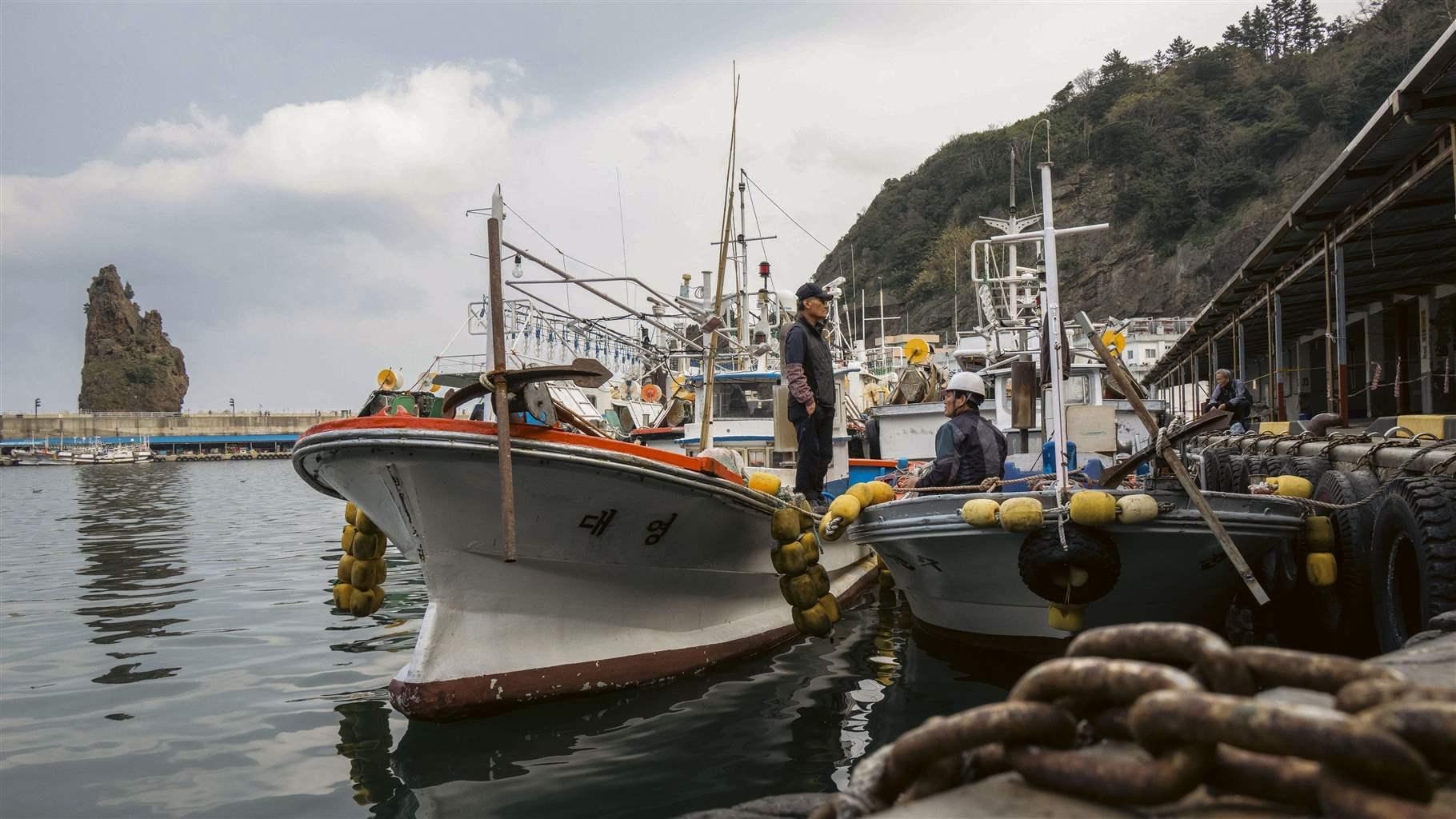
The North Pacific Fisheries Commission (NPFC) will host its 10th annual meeting April 14-17 in Osaka, Japan. NPFC is one of four Pacific-based regional fisheries management organizations (RFMOs) responsible for the conservation and management of many of the world’s most valuable fisheries. During the meeting, NPFC members—including the European Union and the United States—can take steps to ensure effective oversight and monitoring standards in the commission’s management area. These actions could bring the NPFC in line with its peers in the Pacific, establishing consistent regulations across the whole region.
Increase monitoring by incorporating electronic methods
Monitoring fisheries is challenging, especially when boats operate far from shore. Onboard fisheries observers can be costly, and it can be difficult to get sufficient coverage across fleets. But electronic monitoring (EM) can help supplement the lack of observer coverage and is a cost-effective tool to increase accountability and oversight.

The South Pacific Regional Fisheries Management Organization (SPRFMO)―which oversees the world’s largest squid fishery, as well as other fisheries―became the first non-tuna RFMO to adopt minimum standards for electronic monitoring of fishing activity. These were key steps to improving data collection and oversight across the South Pacific’s valuable fisheries. SPRFMO’s new policies align it with the two large tuna RFMOs operating in the Pacific: the Western and Central Pacific Fisheries Commission (WCPFC) and the Inter-American Tropical Tuna Commission (IATTC). WCPFC, IATTC, and SPRFMO now all have EM standards in place, a key step towards implementation of a full EM program.
If NPFC applied similar policies in its own managed fisheries, modern best practices for monitoring and oversight would be in place for all four RFMOs, covering the entire high seas in the world’s largest ocean basin. To advance these efforts this year, NPFC members should adopt minimum data standards, a necessary precursor to development of EM standards and a full electronic monitoring program. This would pave the way for EM use in valuable fisheries in the North Pacific, like those targeting squid species, Pacific saury, and Pacific chub mackerel.
Align with the Port State Measures Agreement
NPFC can also make progress to reduce vulnerabilities for illegally caught fish making it to shore.
2026 marks the 10th anniversary of the entry into force of the Port State Measures Agreement. The United Nations Food and Agriculture Organization’s Agreement on Port State Measures (also known as the Port State Measures Agreement, or PSMA) is the only legally binding international treaty specifically targeting illegal, unreported, and unregulated fishing. The PMSA works to stop illicitly caught fish from being landed and sold on the international market by requiring authorities to implement more stringent controls at port. In 2025, China, home to the world’s largest fishing fleet, acceded to the agreement. More than 75% of coastal States, including all the largest flag States, are party to the agreement.

This year, NPFC can adopt a management measure that will closely follow PSMA requirements and increase accountability of its fisheries by strengthening port inspection measures and increasing coordinated action and targeted risk assessment through greater data-sharing requirements. Combined with similar efforts at SPRFMO, IATTC, and WCPFC, oversight at ports across the Pacific would be vastly improved.
This year, NPFC could improve the management and health of not only North Pacific fisheries, but the entire Pacific Ocean basin. By aligning with the region’s other fisheries management organizations and adopting EM standards and PSMA measures, NPFC would improve oversight and meet its dual commitments to conserve fisheries and protect ecosystems.
Gerald Leape is a principal officer and Grantly Galland is a project director with The Pew Charitable Trusts’ international fisheries project.

People


