Regional Fisheries Managers Can Help Strengthen High Seas Governance
New treaty creates opportunities to further ocean conservation and sustainable use of marine resources

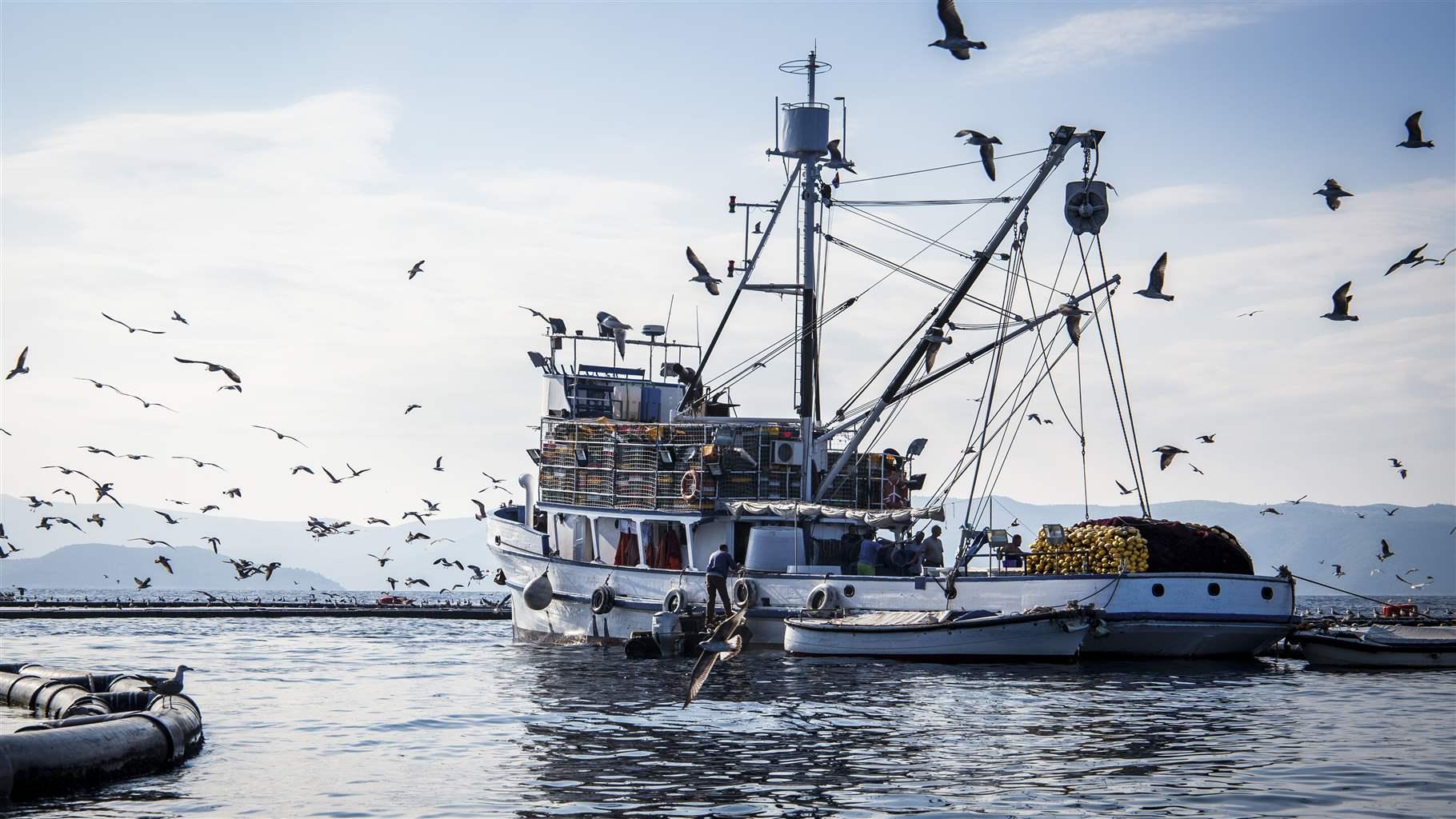
The high seas are some of the largest reservoirs of biodiversity on Earth, supporting abundant fisheries, providing migratory routes for whales and sharks, and harboring remarkable ecosystems, including towering underwater mountains and ancient coral forests. Commercial activities in these waters have long been managed by a patchwork of institutions, including the 17 regional fisheries management organizations (RFMOs), which govern fishing on the high seas and oversee fish stocks worth billions of dollars.
But now, the global community is beginning a new chapter of high seas governance.
A new comprehensive legal framework – the United Nations high seas treaty, formally known as the Agreement on the Conservation and Sustainable Use of Marine Biological Diversity of Areas beyond National Jurisdiction, which entered into force on 17 January 2026 – enables governments to more effectively collaborate to protect biodiversity in the two-thirds of the ocean that no single country controls.
The treaty paves the way for participating governments, known as State Parties, to advance high seas conservation, including creating networks of marine protected areas and assessing the environmental impacts of fishing, seabed mining and other industrial activities in the ocean. And because many State Parties are also members of RFMOs, the international community has a critical opportunity to coordinate commitments and policies between the treaty and overlapping RFMOs to support a sustainable future for the high seas and the industrial activities that operate there.
For instance, despite some recent progress, significant threats to biodiversity persist in the high seas, including the incidental catch by industrial fishing operations of non-target species such as sharks and rays, whose populations, have declined by about 70% over the past 50 years, according to one study. RFMOs have increasingly adopted measures to address this threat and others, including protections for some vulnerable species, but the high seas treaty provides additional tools that can enable biodiversity conservation across multiple fishing activities and other sectors.
State Parties of the treaty and RFMO members must work closely together to enhance their effectiveness. Strong cooperation and coordination among these regimes will help the global community achieve ocean conservation targets and restore the health of marine ecosystems.
Treaty creates new opportunities for collaboration
Although each RFMO is structured differently, they all consist of member governments that share a practical or financial interest in, and legal mandate for, managing and conserving specific fish stocks. Most are also obligated to adopt binding, precautionary management measures such as harvest strategies, which support not only sustainable fisheries but also the conservation of broader marine biodiversity.
RFMOs have several tools that contribute to the global governance of marine resources. They hold critical information and technical expertise that will be directly relevant to the ongoing work done through the treaty, and they have a mandate to implement, monitor and enforce fisheries management measures on the high seas. And although these tools make RFMOs essential partners in translating conservation objectives into practical, real-world outcomes, more work is needed to determine how best to leverage RFMOs’ capabilities to support implementation of the treaty.
As the global community identifies places in the high seas that would benefit from protection, RFMOs can also enhance existing spatial measures to limit harm to habitat and marine species. For example, they could restrict fishing in areas with a high presence of breeding marine mammals or prohibit harmful practices such as bottom trawling – dragging weighted nets across deep-sea environments – in vulnerable ecosystems, including seamounts. Coming from RFMOs, such efforts would contribute to the conservation and effective management of high seas biodiversity.
Coordination can strengthen high seas governance
The high seas treaty provides for coordination among different governing bodies, including RFMOs and the various organizations charged with managing shipping and mining activities in these waters. Yet many questions remain about how these entities will work together.
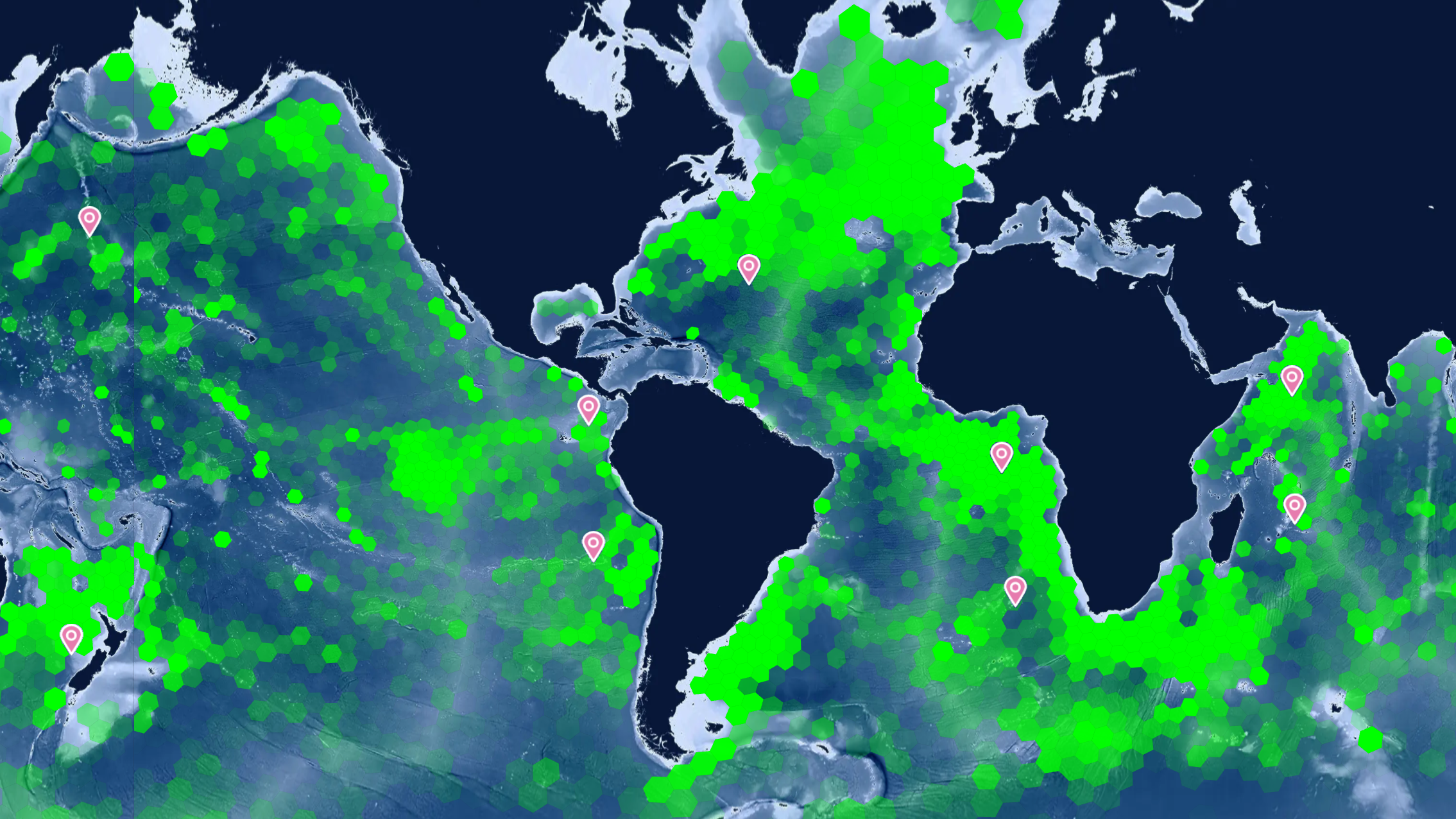
RFMOs are well-positioned to build on their existing mandates, practices and experiences by taking steps to advance conservation and sustainable use of the high seas. These steps include fostering a regular space at RFMO meetings to share updates related to the treaty’s implementation, developing a process to respond to spatial management proposals from State Parties, pairing harvest strategies with enhanced habitat safeguards, and transparently reporting outcomes to help determine what’s working – and what’s not.
By collaborating constructively and consistently, these management regimes can play an important role in tackling global biodiversity loss and overfishing, creating lasting protections for Earth’s largest commons and improving ocean health – for people and the planet.
Grantly Galland, Ph.D., leads The Pew Charitable Trusts’ conservation advocacy with regional fisheries management organizations (RFMOs) around the world, and Brittany Croll leads Pew’s work to strengthen coordination between the United Nations high seas treaty and the efforts of RFMOs.
People