Australia Can Protect One of the World’s Great Ocean Wonderlands
The Coral Sea Marine Park is a haven for ocean giants, vibrant reefs and deep-sea life. Stronger sanctuary protections would help ensure their survival

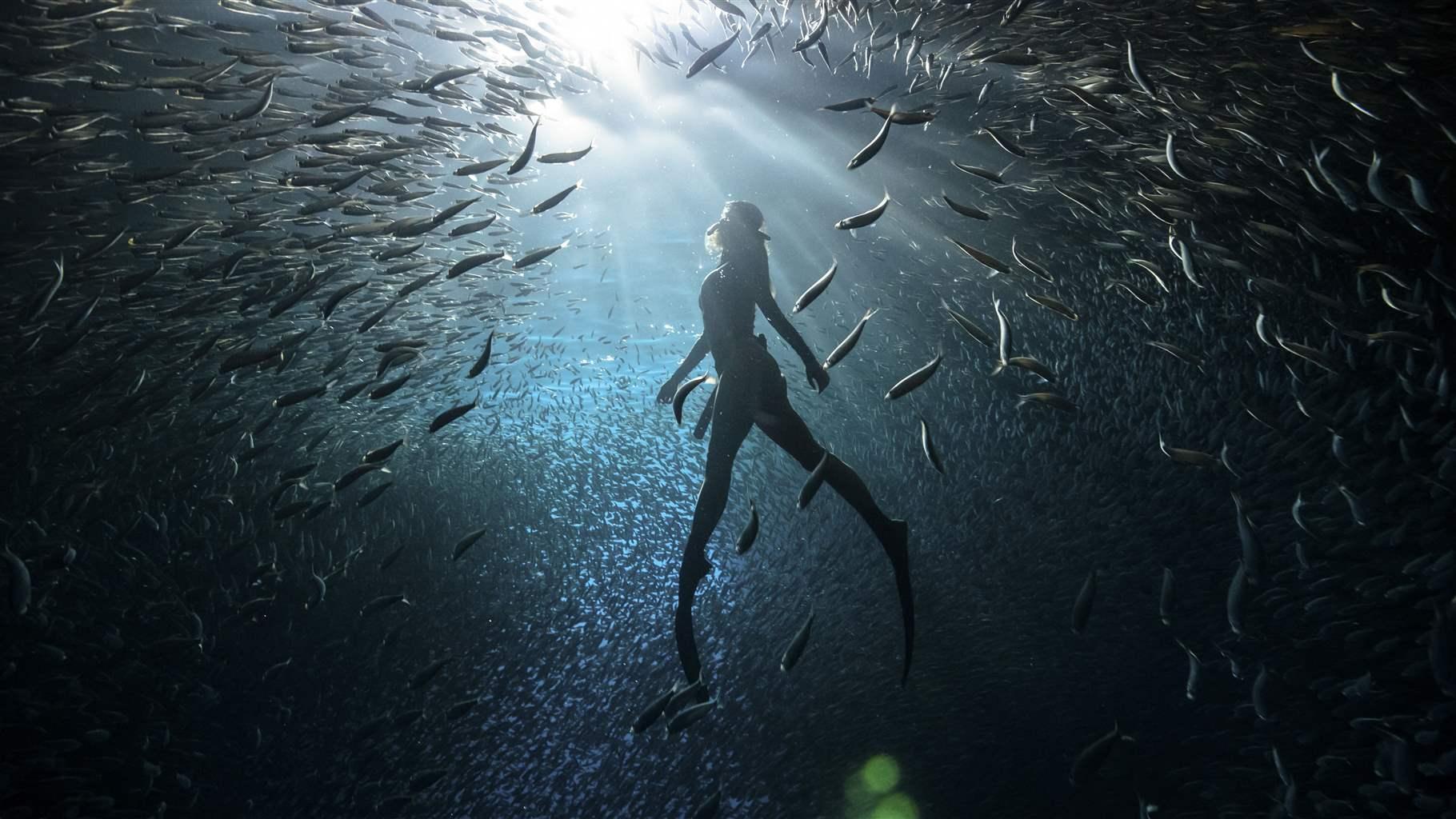
Far off Queensland’s coast, beyond the Great Barrier Reef, lies one of the world’s great ocean wonderlands: the Coral Sea Marine Park. It encompasses about 989,000 square kilometres (382,000 square miles) – an area almost twice the size of Spain. In its vast waters, remote reef systems, seamounts, deep-sea habitats and powerful open-ocean currents support an extraordinary range of marine life, from corals to seabirds to turtles, sharks, whales and other ocean giants.
The Australian Government recognised the Coral Sea’s significance in 2012, establishing the world’s largest marine park at the time and placing more than half of its area in fully protected marine sanctuaries. But in 2018, those sanctuary zones were cut substantially – with over 50% removed – leaving reefs, seamounts and marine life under-protected.
As the Government undertakes its once-in-a-decade review of the park’s management plan, it has the opportunity to restore and strengthen those sanctuary protections, guided by the best available science and the ecological, cultural and economic values the park supports.
Rich – and remarkably intact – marine ecosystems
The Coral Sea is a hotspot for marine life. The marine park includes 34 isolated coral reefs, 56 cays and islets, and trenches and abyssal plains. These features provide habitats for a wide range of species including black marlin, humphead wrasse, tuna, sharks, whales, dolphins, turtles and a variety of tropical and cold-water corals. The park also provides nesting, feeding, breeding and resting areas for seabirds and migratory shorebirds – some of which travel more than 10,000 kilometres (6,200 miles) to use the rich feeding and resting places.

Because of its remoteness – the marine park stretches from the outer edge of the Great Barrier Reef Marine Park to the limits of Australia’s north-eastern waters – many Coral Sea ecosystems remain unusually intact, with ecological features found nowhere else on the planet. On some underwater mountain ranges, scientists have found that species vary markedly from one seamount to the next, making each one a distinct living community.
Moreover, the park is a vital support system for the neighbouring Great Barrier Reef. Powerful currents carry nutrients, larvae and marine life between the western Pacific and the reef systems closer to the Australian mainland, supporting the renewal and resilience of coral and other species. As climate change places growing pressure on reef ecosystems, these connections become even more important to safeguard.
Cultural and economic significance
Beyond its ecological value, the Coral Sea is culturally important to Indigenous Australians, whose connections to Sea Country include responsibilities, knowledge, stories and relationships that extend across waters, reefs, islands and marine species. Recognising these values means more than acknowledging heritage: effective marine park management should respect Indigenous rights and knowledge systems, support participation in decision-making and governance, and account for cultural priorities alongside ecological science.

The Coral Sea is also home to iconic dive destinations, including the Osprey group of reefs, Bougainville Reef and Flinders Reef, making it a major contributor to the region’s dive tourism sector. The area also draws recreational, sport and game fishers. Together, these activities support local communities and regional economies, and highlight the value of maintaining a healthy and productive marine environment.
Strong protections benefit nature and communities
Research has already shown that sanctuaries can ensure more fish, bigger fish and healthier marine ecosystems while also supporting diving, fishing and other nature-based tourism businesses. On the nearby Great Barrier Reef, well-designed sanctuary zones have helped safeguard breeding areas and support healthier fish populations. On the opposite side of the country, the Ningaloo Marine Park off Western Australia’s coast features strong marine protection alongside world-class tourism, recreation and fishing experiences that are central to local identity and regional economies.
The Coral Sea also offers reasons for hope in conservation efforts. Humpback whales, once driven close to extinction by commercial whaling, now migrate through these waters in growing numbers. Their recovery shows that ocean life can rebound when species are given the space and time they need – facilitated through well-managed marine parks and sanctuary zones. Few tropical marine ecosystems remain so intact, connected and rich in wildlife. Expanding sanctuary protection in priority areas would help secure those strengths and give scientists reference areas to track change and recovery.
What stronger protection should include
For highly protected marine sanctuaries to deliver the greatest benefits, they must be comprehensive, adequate and representative – the CAR principles underpinning Australia’s scientific approach to conservation – as well as connected to other marine parks in the waters of neighbouring countries. In the Coral Sea, research has identified the areas where stronger protection would better focus on the park’s habitats, depth zones, ecological processes and biologically important places. Stronger sanctuaries would also help sustain ocean abundance, benefiting nature and supporting recreational fishing over time.
The Coral Sea Marine Park has been in place for more than 10 years, but the current management plan does not adequately protect the region’s unique ecological, cultural and economic values. The upcoming park management review provides an opening. Stronger sanctuary protections in the right places would bring the Coral Sea closer to the high standard set by the Great Barrier Reef Marine Park, building on Australia’s long history of ocean conservation.

With a new, more substantial management plan, Australia can help safeguard fragile reefs, towering seamounts, pelagic species and deep-sea ecosystems while fostering appropriate sustainable use and recognising First Nations’ rights, responsibilities and aspirations – and, in doing so, protect one of the world’s great ocean wonderlands for the future.
Steven Ryan coordinates The Pew Charitable Trusts’ work on marine sanctuary protections.
People