At Key U.N. Session, People and Nature Should Take Center Stage
To help people thrive, world leaders should strengthen conservation commitments—and translate them into results

The well-being of nature and people are inextricably intertwined. Healthy ecosystems provide food, livelihoods, and resilience to communities around the world. Although changing climate and biodiversity loss continue to pose significant challenges, there are opportunities to strengthen the connections between people and nature. The 81st session of the United Nations General Assembly (UNGA) in New York, including its High-Level Week from Sept. 22-28, offers policymakers an important opportunity to advance that work through dialogue, cooperation, and conservation action.
I’ll be attending the UNGA, along with senior policymakers, Indigenous leaders, colleagues from The Pew Charitable Trusts, other nongovernmental organization representatives, and scientists, in hopes of advancing meaningful protections for people and the planet. And I’ll be there because of my deep belief that, despite many challenges, we can follow three key steps to leverage the ambition, will, and knowledge to develop and enact solutions to the conservation challenges we face.
Step 1: Build on international achievements
In the international policy arena, delegates arriving in New York will have some momentum on their side. For example, the high seas treaty—which entered into force in January and will help protect the two-thirds of the ocean that lies beyond any single nation’s jurisdiction—shows that many government leaders recognize the vital role a healthy ocean plays in supporting people’s livelihoods. Many countries are also implementing the World Trade Organization’s Agreement on Fisheries Subsidies, which prohibits paying subsidies that enable illegal, unreported, and unregulated (IUU) fishing, fishing of overfished stocks, or fishing of unmanaged stocks on the high seas. And the entry into force of the Cape Town Agreement on fishing vessel safety increases oversight that protects vulnerable fishers from dangerous conditions—oversight that should also help reduce IUU fishing.
These action agendas, together with the United Nations Convention on the Law of the Sea, the Fish Stocks Agreement, and the Port State Measures Agreement, have collectively improved fisheries sustainability and fishing conditions worldwide.
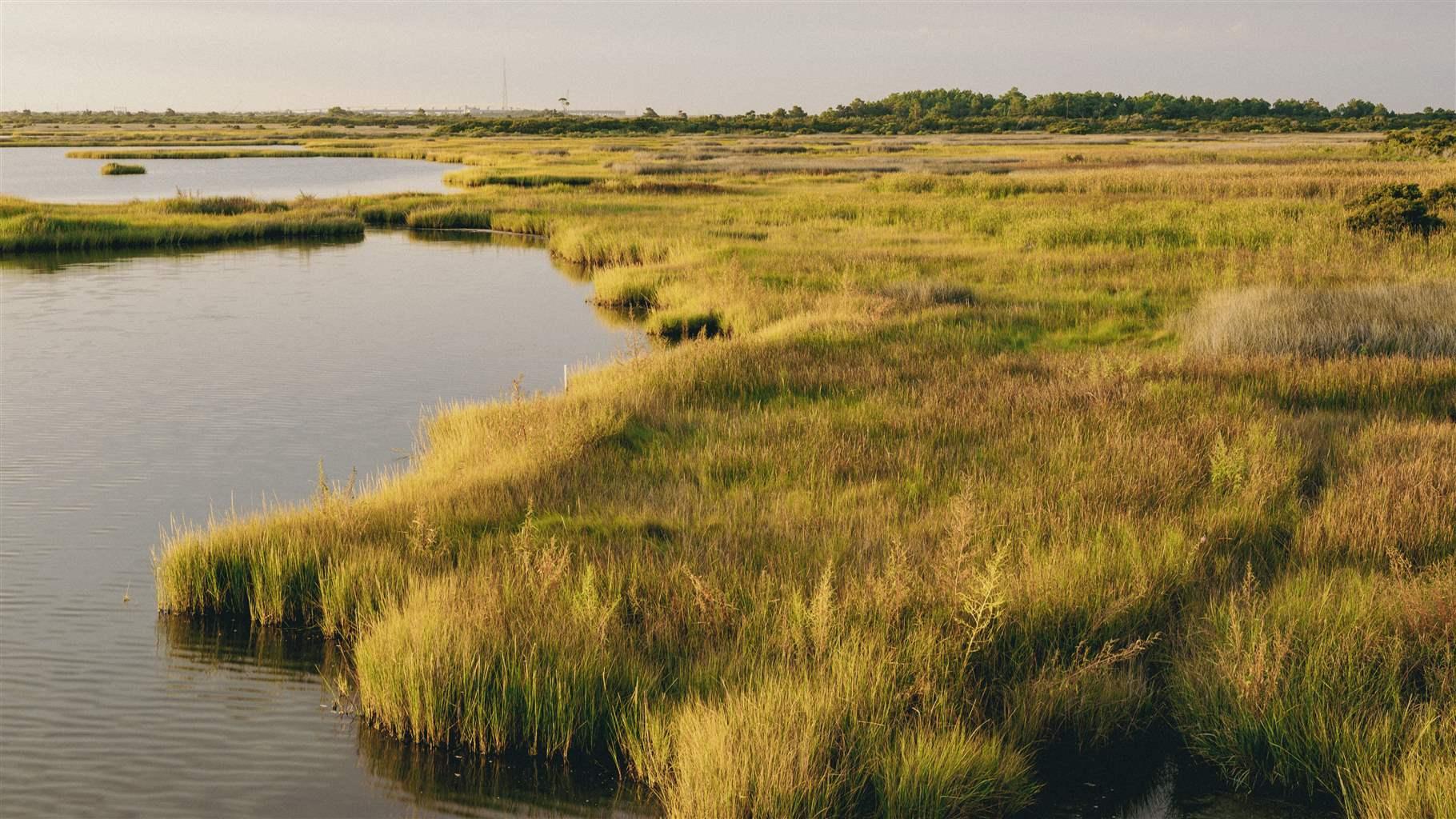
There are other landmark agreements, such as the Convention on Biological Diversity’s Global Biodiversity Framework (GBF) and the Paris Agreement on climate change, that drive local actions such as protected areas or emissions-reduction efforts that help communities enjoy gains from conservation. The GBF, which set the landmark target of protecting at least 30% of the world’s land and waters by 2030 (“30 by 30”), shows that governments can unanimously agree to large-scale, ambitious goals. And the Paris Agreement and its nationally determined contributions (NDCs) provide a framework for every country to set national emissions-reduction targets—such as protecting coastal wetlands like mangroves, seagrass, and salt marshes—based on its priorities. Implementing existing NDCs and developing stronger new ones is especially important given a new U.N. Environment Programme report on climate change and continued risks.
Taken together, these agreements remind me that complex negotiations can lead to rewarding cooperation—and they give me hope that countries can keep that momentum going.
Step 2: Strengthen local involvement and stewardship
The test now is whether diverse stakeholders can work together fast enough to turn international commitments into stronger governance that ultimately helps people while protecting nature.
Pew has a long history of working closely with governments, nongovernmental partners, businesses, Indigenous leaders, and communities to help translate goals into tangible change.
In French Polynesia, for example, more than a decade ago the mayors and residents of the Austral and Marquesas islands invited Pew Bertarelli Ocean Legacy to support the creation of large marine reserves in their waters. The dozens of public meetings and scientific, economic, and cultural studies that followed culminated in June of this year, when President Moetai Brotherson announced measures that will ultimately place 30% of French Polynesia’s waters under the highest level of protection and expand zones set aside for artisanal fishing, which helps feed island communities. Across the ocean, in Alaska and British Columbia, Pew is partnering with Indigenous communities and small-scale seaweed farmers to understand how they want their local sectors to develop, and how those priorities can help shape the emerging industry so that it protects both the ecosystem and people’s livelihoods.
Pew is also a partner in the Blue Nature Alliance, which works to accelerate the pace, breadth, and effectiveness of large-scale ocean conservation, and Enduring Earth, which secures long-term financing needed to sustain permanent protections for protected areas on land and at sea. Through an approach called project finance for permanence agreements, Enduring Earth brings together rights holders, governments, and nongovernmental and philanthropic organizations for long-term investments that tie sustained funding to measurable results.
Like all of Pew’s conservation work, these partnerships rely on local stewardship to build durable protections. And they reflect the spirit of the UNGA: nations and partners coming together to turn shared ambitions into lasting action.
Step 3: Build momentum for the year ahead
High-Level Week, which coincides with New York Climate Week, is where some of the conservation agenda for the next 12 months takes shape. It brings countries together to reinforce their promises—and to work out, through open dialogue, how to translate ideas into action.
The UNGA is a special opportunity, one I look forward to seizing to help secure engagement and unity around conservation that can build a better future for people—and our planet.
Roger-Mark De Souza is a vice president for environment at The Pew Charitable Trusts, where he helps shape and lead a portfolio that works on conserving ecosystems and addressing critical threats to people and nature, including climate change and biodiversity loss.
People