Major Pacific Fisheries Are at a Critical Moment for Long-Term Protection
New rules for Pacific bluefin and bigeye tunas could continue global management shift

Pacific Ocean fisheries managers have an important opportunity to deliver science-based fishing rules for two of the world’s most important tuna species: Pacific bluefin and bigeye tuna. From 30 November to 5 December, members of the Western and Central Pacific Fisheries Commission (WCFPC) will meet in Vanuatu to decide whether to adopt management procedures (MPs) for these species.
Approval of the MP for Pacific bluefin would cap the stock’s remarkable journey from the brink of collapse to sustainability, while the MP for bigeye, a species that is worth nearly $2 billion each year, would establish a precautionary approach to avoid a similarly dramatic path.
MPs set catch limits automatically, rather than requiring annual negotiations, which ensures that fishing limits are set based on the latest scientific assessments of a stock rather than on short-term political considerations. Locking in MPs for both species would bring all WCPFC tuna species under this method of science-based management, an impressive feat for the world’s largest and most productive tuna fishing grounds.
The final milestone for Pacific bluefin tuna recovery
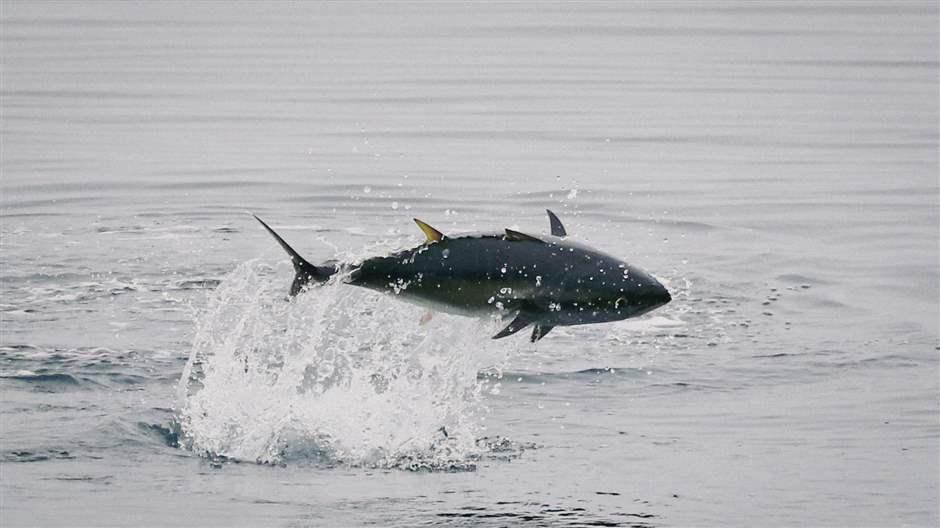
Pacific bluefin tuna is prized in Japan for high-end sushi and sashimi. In January, a single fish sold for more than $3 million at auction in Tokyo, a price that, though largely symbolic, demonstrates the species’ cultural and culinary importance. But about 15 years ago, because of all that demand, the Pacific bluefin population had declined to 2 per cent of its historic level, prompting The Pew Charitable Trusts in 2016 to call for a commercial fishing moratorium on the stock. Now, after years of negotiations and rebuilding, the MP for Pacific bluefin would finally deliver long-term sustainability and make overfishing a thing of the past.
The Inter-American Tropical Tuna Commission, which manages Pacific bluefin when it migrates to the eastern Pacific Ocean, already adopted the MP for the species at its meeting in September. Now WCPFC must do the same so that Pacific bluefin has strong management across the ocean.
Adoption of the MP would also be a landmark moment globally: Previously overfished Atlantic, Pacific and southern bluefin tunas all would have MPs in place, a historic turnaround for the management of these fisheries and the once-endangered species they target.
Pacific bigeye needs its own MP
Pacific bigeye tuna are among the largest and most valuable tropical tuna species, and they are caught at nearly every point of their life cycle. Longline vessels use hooks strung across miles of ocean to catch adult fish destined for sushi markets. Purse seine vessels, which deploy large nets, often inadvertently scoop up large numbers of juvenile bigeye when fishing for skipjack or yellowfin using fish aggregating devices (FADs), which are structures that attract large schools of fish. In 2025, longline fisheries caught 52,000 metric tons of mature bigeye. But purse seines netted nearly 60,000 metric tons – more than half the total catch – of small juveniles not yet of reproductive age, which could cause serious problems for the population’s future health.
Although an existing MP for the skipjack fishery governs purse seine vessel activity in the region broadly, it does not set rules for the use of FADs, leaving bigeye without adequate protections. However, after 13 years of technical work and behind-the-scenes negotiations, WCPFC is set to adopt an MP specifically for bigeye, and members should include an option that aligns rules for longlines with those for FAD use in purse seine fisheries. Such a measure would ensure that management is responsive to changes in the population and keep the bigeye population sustainable and the fishery economically viable, all while minimizing the probability that the stock would fall to a dangerously low level.
A growing shift in ocean management
This year’s WCPFC meeting follows a series of MP adoptions worldwide, including most recently at the General Fisheries Commission for the Mediterranean. It has taken many years to reach this moment, but fisheries managers around the globe are embracing MPs to enhance the sustainability of valuable fisheries.
Dave Gershman leads The Pew Charitable Trusts’ conservation advocacy with Pacific regional fisheries management organizations (RFMOs), and Glen Holmes leads Pew’s conservation advocacy with Indo-Pacific RFMOs.
People