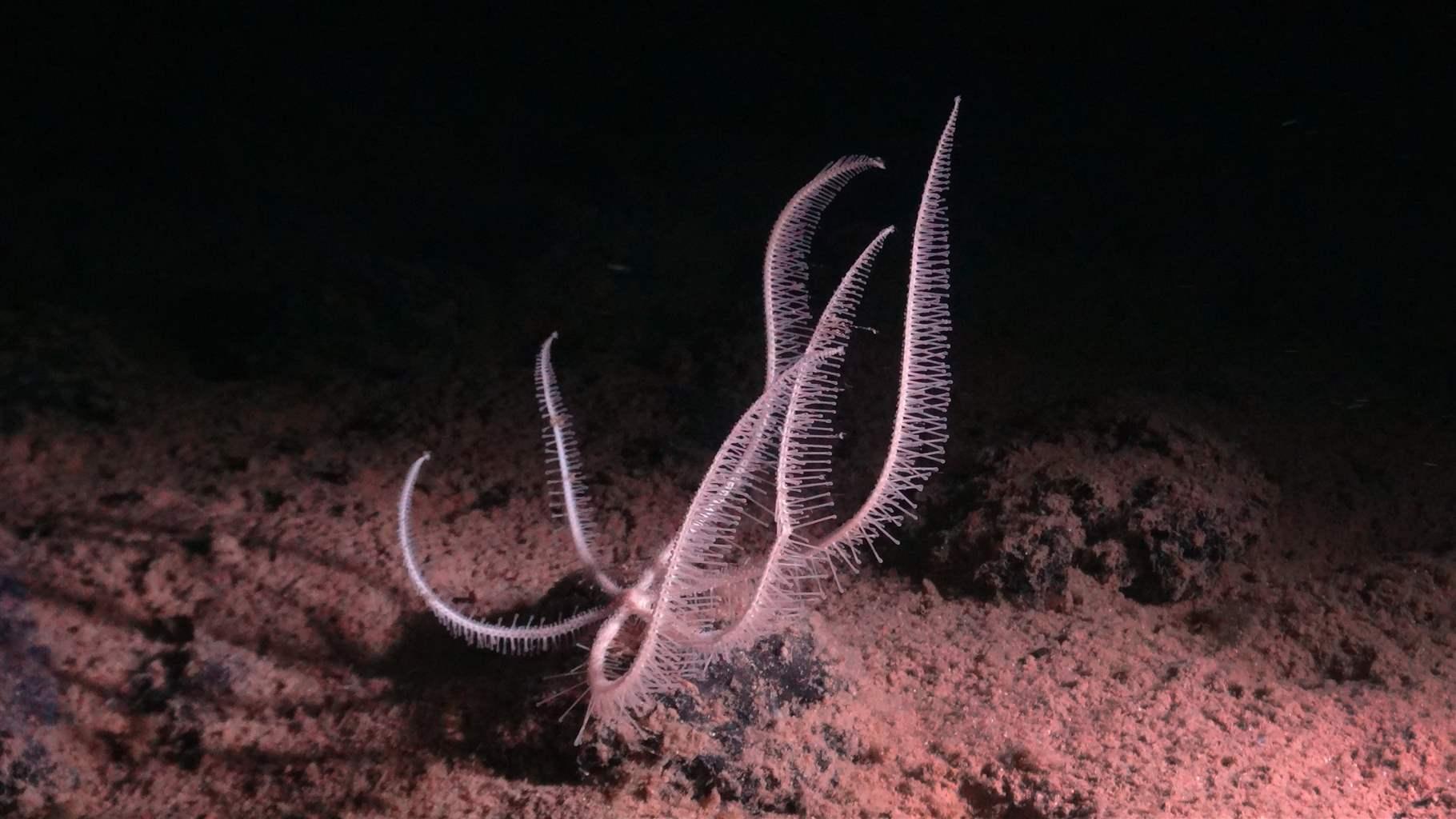


The ocean is also a vital source of food for billions of people and supports livelihoods in communities worldwide.
However, the health of the ocean is in decline. Technological advancements have made nearly every inch of the world’s marine waters increasingly accessible and vulnerable to extractive activities, including large-scale fishing, energy development and deep-sea mining. Habitat destruction caused by human activities is further compounded by the impacts of a changing climate.
These cumulative threats cannot be tackled by any nation nor any sector alone, and gaps in global ocean governance can be addressed effectively only through international cooperation. Since the ocean is an interconnected natural system governed by a patchwork of domestic and international policies and bodies, countries must work together to manage and safeguard the marine environment.
The Pew Charitable Trusts is working closely with governments, key stakeholders and partner organizations to develop policies – and policy mechanisms – to minimize harm to the ocean while ensuring that it continues to provide for humankind.
The ocean governance project combines Pew’s efforts to:
- Implement and improve the World Trade Organization’s fisheries subsidies agreement.
- Secure and advance the United Nations high seas treaty.
- Secure and further execute the Convention on Biological Diversity’s target to protect 30% of global land and marine areas by 2030.
- Engage with the International Seabed Authority to ensure that deep-sea mining is prohibited unless effective protection of the marine environment can be assured.
Accord sur les subventions a la pêche : Pourquoi ce sujet est important
Le 15 septembre 2025, un accord de l’Organisation mondiale du commerce (OMC) visant à mettre fin aux subventions dommageables à la pêche est entré en vigueur. Il fournit aux gouvernements du monde entier un nouvel outil important pour lutter contre la surpêche et la pêche illégale.
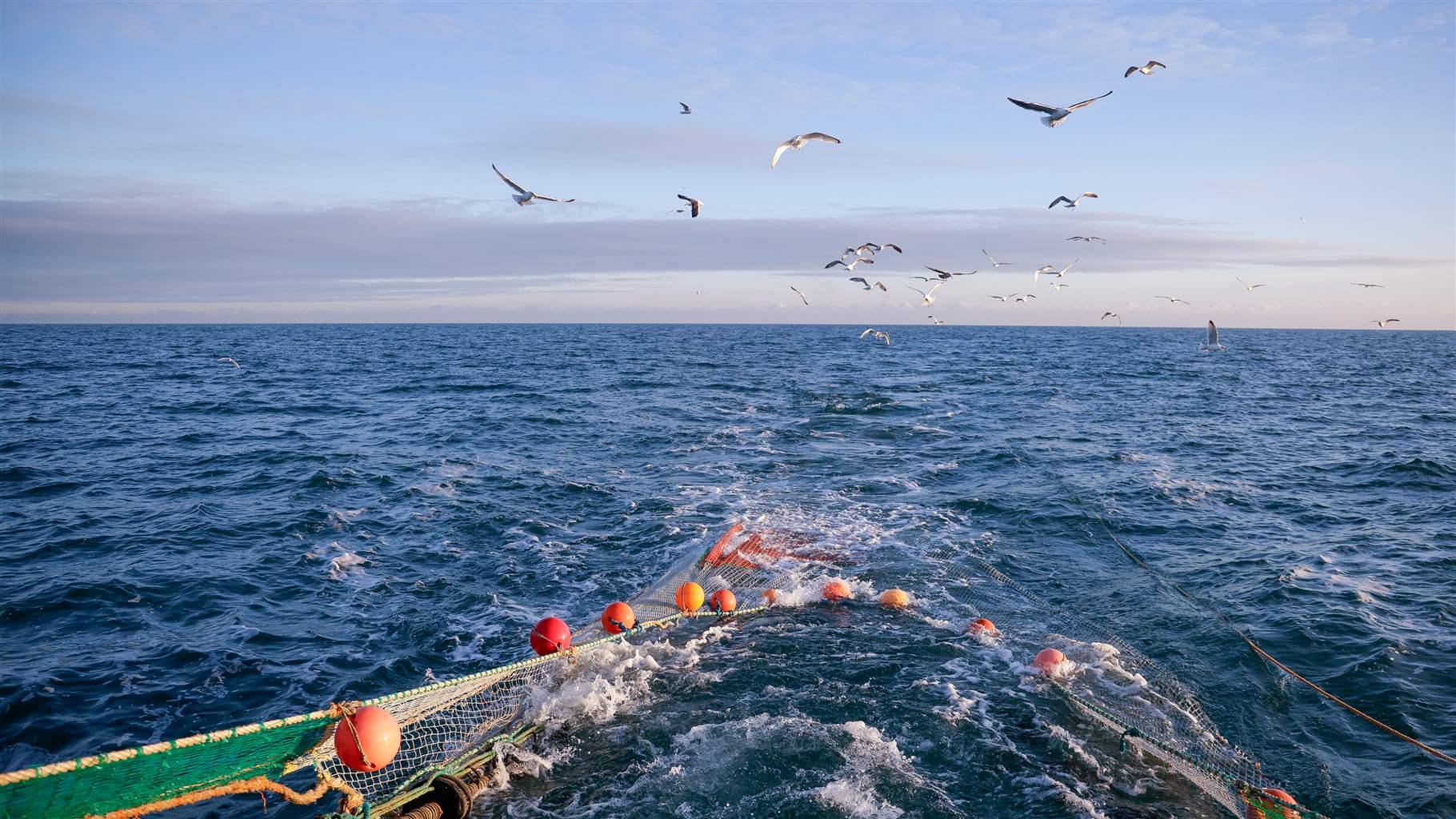
WTO Fisheries Subsidies Deal Now Needs Implementation
With a World Trade Organization (WTO) agreement to curb harmful fisheries subsidies newly in place, it’s finally time for governments to implement this critical deal.

Le nouveau traité sur la haute mer
Le 20 septembre 2023, les Nations unies ont ouvert à la signature et à la ratification leur nouvel accord sur la conservation et l’utilisation durable de la biodiversité marine des zones ne relevant d’aucune juridiction nationale en haute mer (connu sous le sigle anglais BBNJ, Marine Biodiversity of Areas Beyond National Jurisdiction), également connu sous le nom de traité de la haute mer.
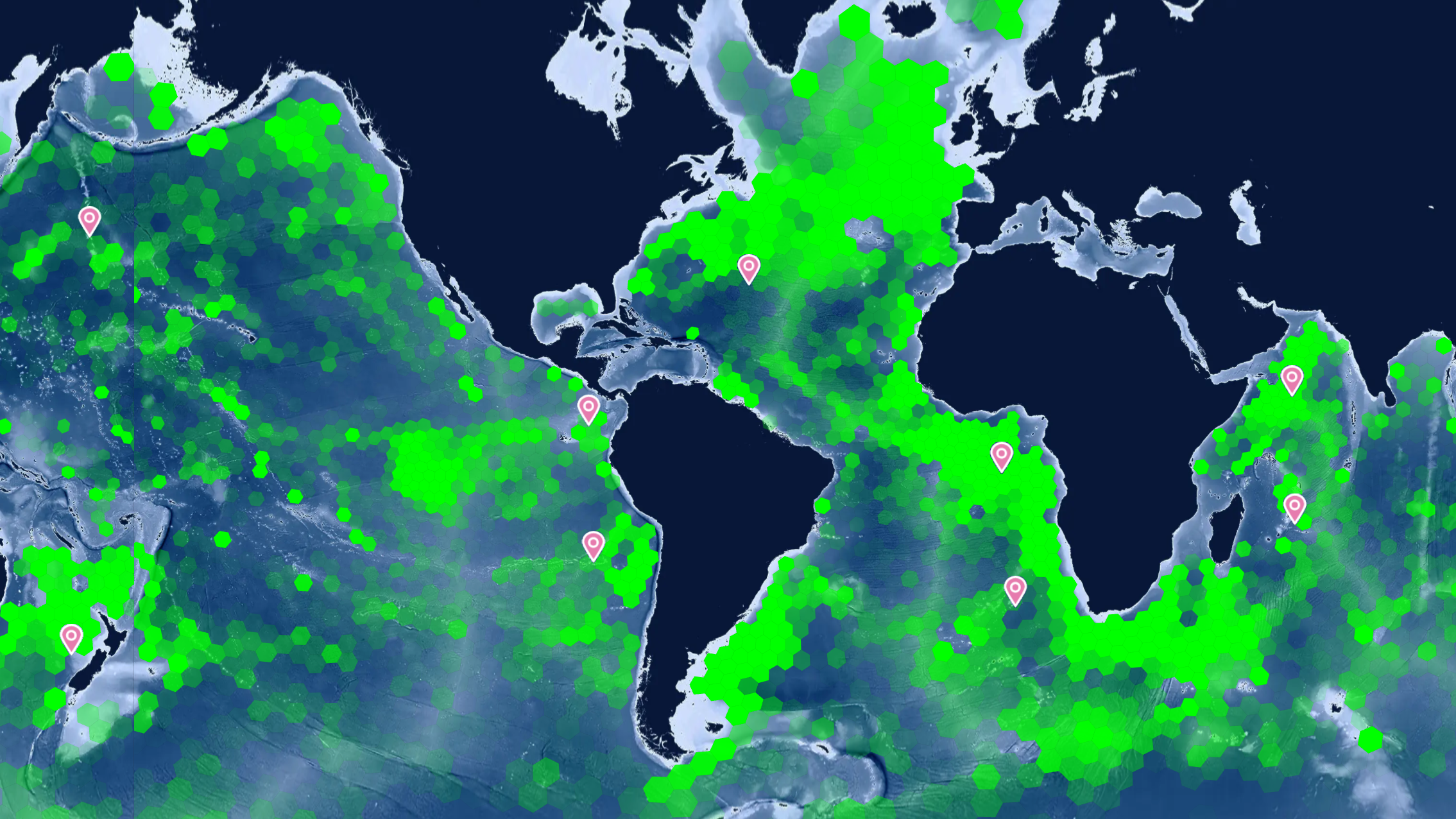
Protect High Seas
Did you know that only 1% of the high seas have legal protections? Learn more about safeguarding this vital international ecosystem with the marine protected areas tool from Pew.
Media Contact
RELATED PROJECTS

