Natural Disasters Will Keep Coming—Smart Strategies Can Help Manage the Risk

On the morning of Jan. 7, 2025, one of the most destructive and expensive fires in California’s history started in the Pacific Palisades, a Los Angeles neighborhood tucked between the mountains and the Pacific Ocean. It burned for 24 days. According to the California Department of Forestry and Fire Protection, the Palisades fire destroyed 23,000 acres and more than 6,800structures, killing 12 people. The estimated cost of the conflagration, along with the Eaton fire that burned in the Los Angeles area at the same time, was $65 billion.
And the year had just begun.

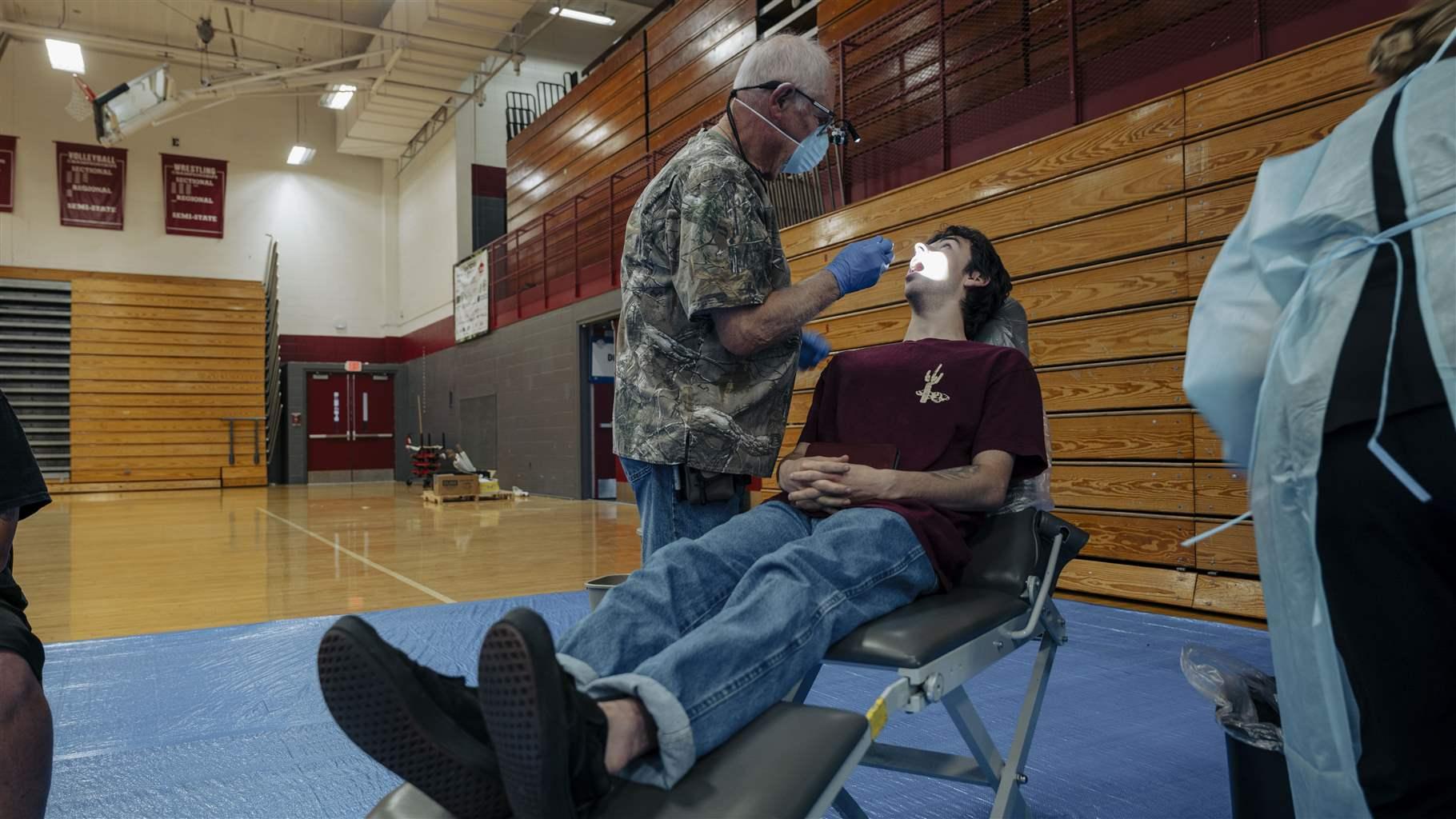
Many more natural disasters costing state and local governments billions of dollars would soon follow the California fires, including floods in Texas, Kentucky, and West Virginia, and severe tornadoes in the Midwest. On May 16, one of those tornadoes hit eastern St. Louis County, Missouri. It damaged or destroyed 5,000 buildings and killed five people. The total price tag for the tornado: approximately $1.6 billion.
Two weeks later, Missouri Governor Michael Kehoe called a special legislative session, with disaster relief as a key part of the agenda. To help communities recover from the widespread damage, the state authorized $100 million for tornado relief to the City of St. Louis; $25 million for home repairs and emergency housing assistance; and a $5,000 income tax deduction for people who incurred insurance costs due to any disaster for which the governor requested federal assistance. Gov. Kehoe also signed legislation to streamline the delivery of housing relief and expand eligibility to receive aid.
The cost of the St. Louis County tornado, which followed extreme flooding in other parts of Missouri, is emblematic of what state and local governments now face: how to pay for more frequent severe disasters under growing budget constraints and with an often uncertain or delayed federal response. It’s a nationwide challenge. The frequency, severity, and costs of weather and climate-related disasters have increased dramatically in recent years, putting added pressure on state budgets. The United States experienced a record total of 131 billion-dollar disasters in the 2010s, nearly double the number of such disasters that occurred in the previous decade. Just halfway through the 2020s, the U.S. has nearly surpassed that record-breaking total.
Managing the fiscal risks that come with natural disasters—preparing for when, not if, a disaster strikes—is further complicated by other budgetary stresses on state and local governments, including reduced revenue, spurred largely by the end of pandemic-era initiatives and the adoption of tax cuts; rising Medicaid costs; and mounting long-term liabilities, such as pension debt and infrastructure maintenance. And now the federal backstop for disaster funding is undergoing a major overhaul intended to decentralize recovery efforts; federal resilience programs, which were the main source of funding for large-scale disaster mitigation, have already been eliminated.
But there are strategies that states can use to prepare both for natural disasters, which are inevitable, and the fiscal challenges that follow. Preparation and planning are especially important for local governments, which bear much of the burden for responding to the damage and trauma communities suffer when disaster strikes—and whose budgets rely heavily on state resources.
States should begin by measuring the total financial impact of disasters on government. That means collecting comprehensive spending data from each agency that plays a role in managing the response and aftermath of a flood, tornado, or other weather-related event, and tracking projects that attempt to reduce the damage these events cause. Keeping up-to-date spending reports that explain where disaster funds are being spent and for what purpose allows budget officials to plan for future expenses and ensure that investments in mitigation are made in high-risk areas.
How should states budget for disasters? Given the importance of helping communities and local governments recover, states should manage disaster funding in a way that ensures money is available when needed and that minimizes the impact of a disaster’s volatile costs on state finances. To that end, states should use proactive budget tools, including disaster response accounts that receive consistent appropriations based on a state’s risks. Similarly, local governments should maintain their own disaster reserves and work to ensure that their state’s budget includes disaster aid for localities. At the state and local level, this strategy can be aided, in part, by keeping federal reimbursements apart from general funds, thereby creating a revolving revenue source to fund the next weather-related catastrophe.
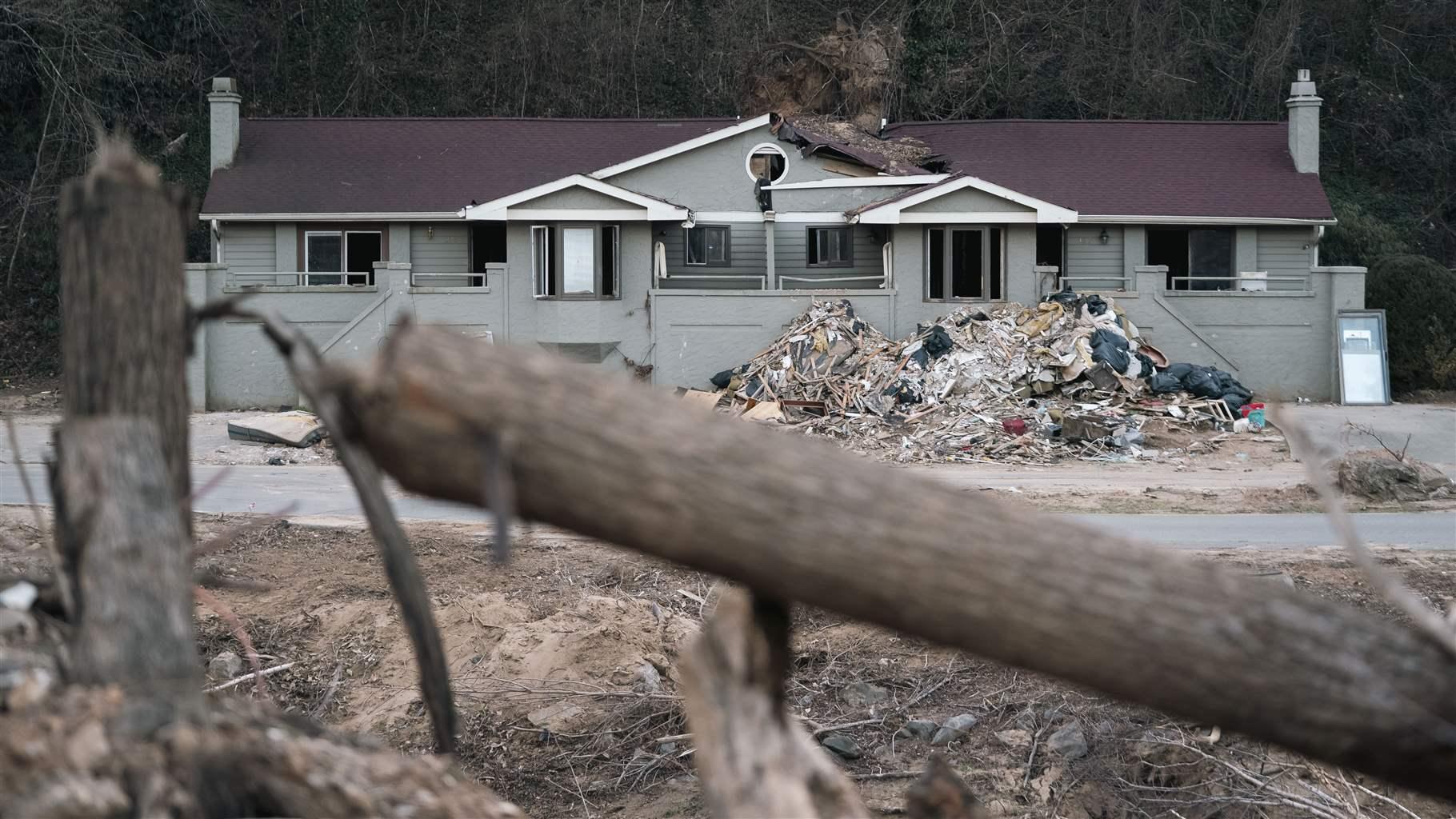
Providing clear, timely, and accurate information is also essential. States must be prepared to tell individuals and communities how to protect themselves from danger and access housing and other government support when the danger passes. The same is true within government. State and local agencies need to know their proper roles—and exactly what is expected of them—when a disaster strikes. Specifically, establishing clear criteria for when state resources will be deployed and determining which forms of support the state will provide to local governments in advance, rather than trying to make those decisions in the moment of crisis, would minimize uncertainty for affected communities and limit funding disruptions for other public services.
During and right after a major disaster—especially one on the scale of the Palisades fire or the St. Louis County tornado—the focus is, understandably, on saving lives and funding recovery. But mitigating future risks must also be part of any comprehensive strategy for protecting communities. For states, that means providing sustained funding for mitigation programs and enhancing the ability of administrative agencies to deploy state and federal funds effectively. By investing today in efforts to minimize the damage caused by major disasters, governments can more effectively protect human life and help communities recover while slowing the overwhelming growth in post-disaster costs.
Natural disasters don’t respect state or local borders. A tornado that hits one jurisdiction can easily move to another. Managing risk must similarly be an intergovernmental and communitywide endeavor, in which state and local leaders learn from the experiences and tested policies of their peers. Powerful tornadoes, deadly fires, hurricanes, and other natural disasters will continue to happen—likely with greater frequency. But with smart fiscal strategies, support for local governments, and a willingness to learn from one another, states can lessen the effects of the worst that nature offers. And the best of human innovation, planning, and courage can save lives and rebuild what’s been lost.
Caitlyn Wan Smith works on The Pew Charitable Trusts’ managing fiscal risks project.
This op-ed was originally published in Government Finance Review on Feb. 20, 2026.
People