
Overview
Communities throughout the country share common needs: affordable connections to broadband Internet, modern and reliable energy infrastructure, effective responses to mental health challenges, and ways to resolve legal disputes more quickly and fairly. To address these issues, Pew collaborates with states and local governments to find and promote evidence-based solutions that help provide stability and opportunity.
We also have a long-standing commitment to Philadelphia, our hometown. For more than 75 years, we’ve tracked and helped address the city’s challenges, from job creation to health care.

It’s a time to point to notable progress that the city has made on many of the most challenging issues facing its residents, including reductions in homicides and shootings, overdose deaths, and the poverty rate. But there are also troubling signs, including stagnating educational attainment, median income, and population. These metrics, which had been bright spots for the city in recent decades, have been impeded since the COVID-19 pandemic and pose a long-term risk to the city’s success.

Philadelphia has experienced a dramatic decline in violent crime in recent years. The city recorded 60% fewer homicides in 2025 than just four years earlier. And property crimes, though historically high, are down since their peak in 2023. But contrary to these citywide trends, crime is not decreasing in every neighborhood; and even in the neighborhoods where crime is down, the rate varies.
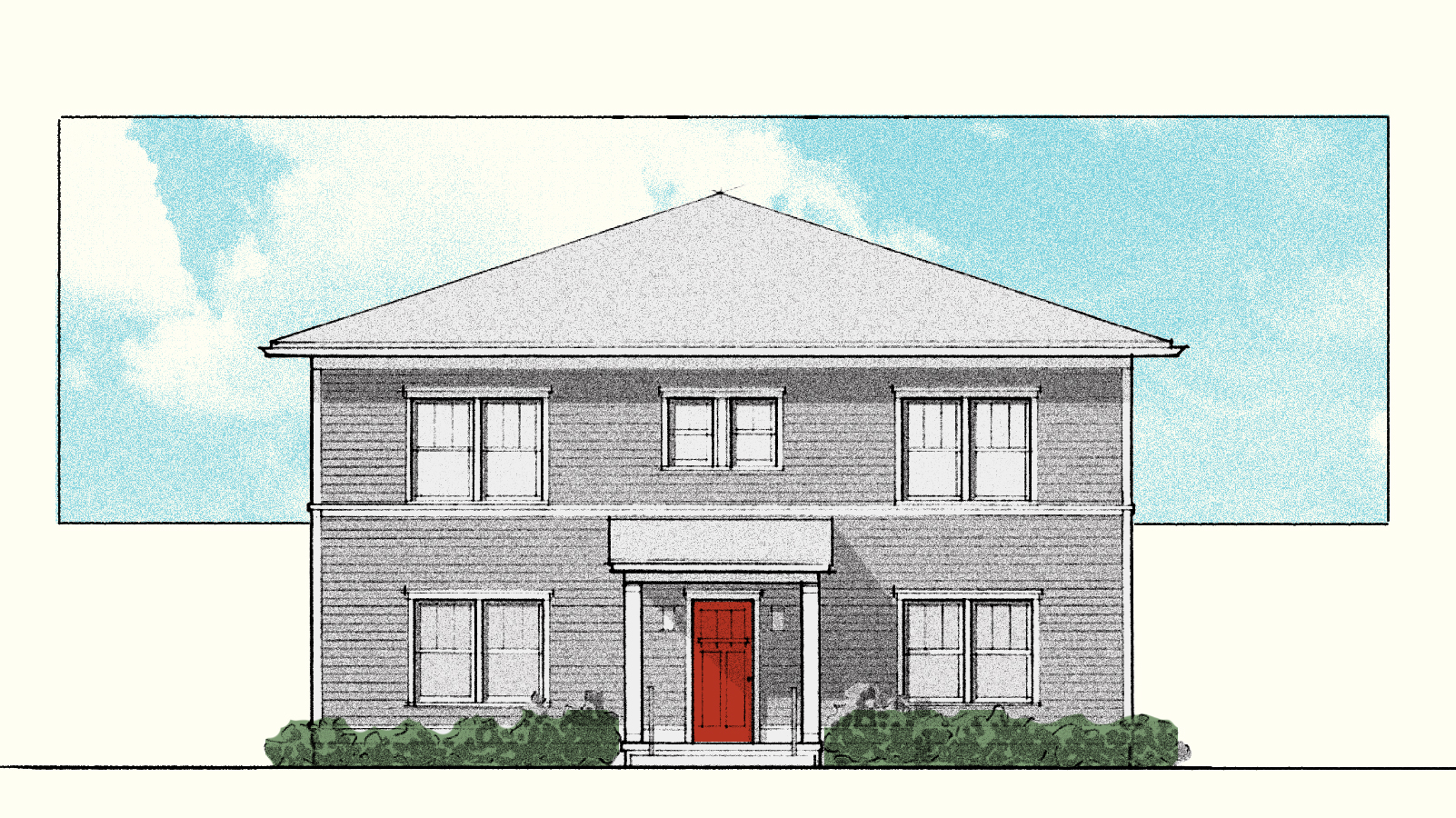
A growing number of mostly small and midsize cities struggling with new housing production have begun providing preapproved building plans to developers as part of a broader effort to lower the cost of building new homes in their communities. A preapproved plan is a reusable set of design specifications and blueprints that has already been approved by a local government agency and is available for builders to use either free or for a nominal fee. One key goal of these programs is to shorten the preconstruction approval process.

Philadelphians receive a wide array of services directly from their city government: when they visit their local library branch, for example. Or when their trash is picked up. Or when they’re transported by paramedics to a hospital.

“It brought so much joy to my life knowing that Michael had a chance to be a kid again.” That’s Titi, a Washington, D.C., resident whose son, Michael, was placed in foster care while she was living in a shelter. Over a year later, she was able to reunite with him when she found a stable place to live.
Our Work

Good health is important to everyone. Pew conducts research and provides information and fact-based recommendations to state agencies, hospitals, researchers, and other health partners to help them provide better care. We find and share evidence-based practices to improve Americans’ health and well-being, including services that can prevent suicide, improve mental health care, and treat substance use disorder.
Latest In Advance Health & Well-Being

Communities throughout the country share common needs: affordable connections to broadband Internet, modern and reliable energy infrastructure, effective responses to mental health challenges, and ways to resolve legal disputes more quickly and fairly. To address these issues, Pew collaborates with states and local governments to find and promote evidence-based solutions that help provide stability and opportunity.
Latest In Build Communities

Nonpartisan, fact-based improvements in federal policy can create jobs, lower costs, and help the nation prepare for the future. When our research shows that small changes can have a big impact, we work across party lines to improve national challenges like housing affordability, internet access, energy reliability, and health care.
Latest In Improve Federal Policy
/16x9_m.jpg?mw=1820&hash=5F8FAF0A76E455308483138D9B65A461)
Economic opportunity is the foundation of American society. Pew supports national, state, and local efforts to expand opportunity and promote financial well-being. Our work helps people pay off student loans, navigate court proceedings such as debt collection, buy or rent a home, access affordable internet, and save for their retirement.
Latest In Improve Economic Advancement

The global ocean teems with life, and it contributes to the vital cycles that keep people and our planet healthy. But the seas are vulnerable to overfishing, loss of habitat such as seagrasses and mangroves, ineffective fisheries management, plastic pollution, and declining biodiversity. These mounting losses affect the coastal communities that depend on the ocean for food and jobs.
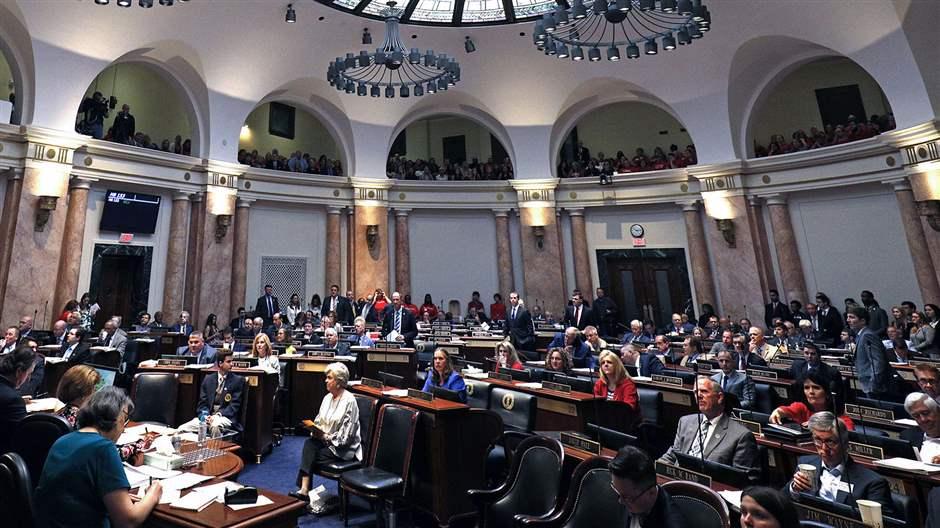
States and cities are the “laboratories of democracy” in America—the places where lawmakers and governors look for new ways to help their communities succeed. Whether in Pew’s hometown of Philadelphia or any of the 50 state capitals, we help elected leaders respond to the needs of their citizens, use public dollars wisely, fix outdated policies, and build a better future for all.
Latest In Strengthen State Government

Conserving natural spaces conveys benefits far beyond the gains to wildlife and their habitats. As scores of studies show, protecting and restoring lands and waters, particularly when done in close partnership with local communities, also improves people’s lives—and local economies—by increasing tourism and outdoor recreation.