New Conservation Opportunities and Obstacles in a New Year
An expert panel’s look ahead reveals topics that could shape future biodiversity strategies
As conservation scientists work to safeguard Earth’s biodiversity, some of the forces poised to reshape ecosystems arrive with little warning. To better anticipate these shifts rather than react to them after the fact, researchers conduct what are known as horizon scans to identify emerging issues that could influence conservation long before they fully materialize.
As in previous years, I recently joined a panel of 26 international scientists and practitioners to evaluate nearly 100 potential trends and breakthroughs. Through a rigorous review and workshop process, we distilled this list to 15 issues—outlined in our study, recently published in Trends in Ecology & Evolution—that are either newly emerging or represent dramatic changes in scale or impact. This year’s scan reveals the rapid pace at which new technologies and evolving societal trends are shaping conservation efforts. It highlights breakthroughs in biodiversity monitoring, innovative approaches for managing plastic waste, and emerging patterns in how communities interact with their environment, which may shape global land use.
By surfacing these issues early, this 17th global horizon scan of issues in biological conservation—coordinated by the U.K.-based Cambridge Conservation Initiative and partially funded by The Pew Charitable Trusts—aims to help conservation leaders, governments, and funders prepare for and take advantage of opportunities that could strengthen biodiversity protection in the years ahead.
Here are a few of the issues we identified:
Seaweed habitats in decline
Seaweeds—like kelp forests and floating sargassum—cover more of the ocean’s coastline than all coral reefs and wetlands combined, yet they’ve received little conservation attention. They’re now declining as ocean warming, overgrazing, and, in some regions, rapid growth in seaweed farming introduce new stresses, including the spread of diseases and nonnative species.
Scientists project that climate change will shrink many seaweed habitats by the end of the century, with some regions losing more than 10% of their species and experiencing major declines in seagrass and brown seaweed beds. Only polar regions are expected to see gains. These losses could have major ripple effects across marine ecosystems.
Turning plastic into protein
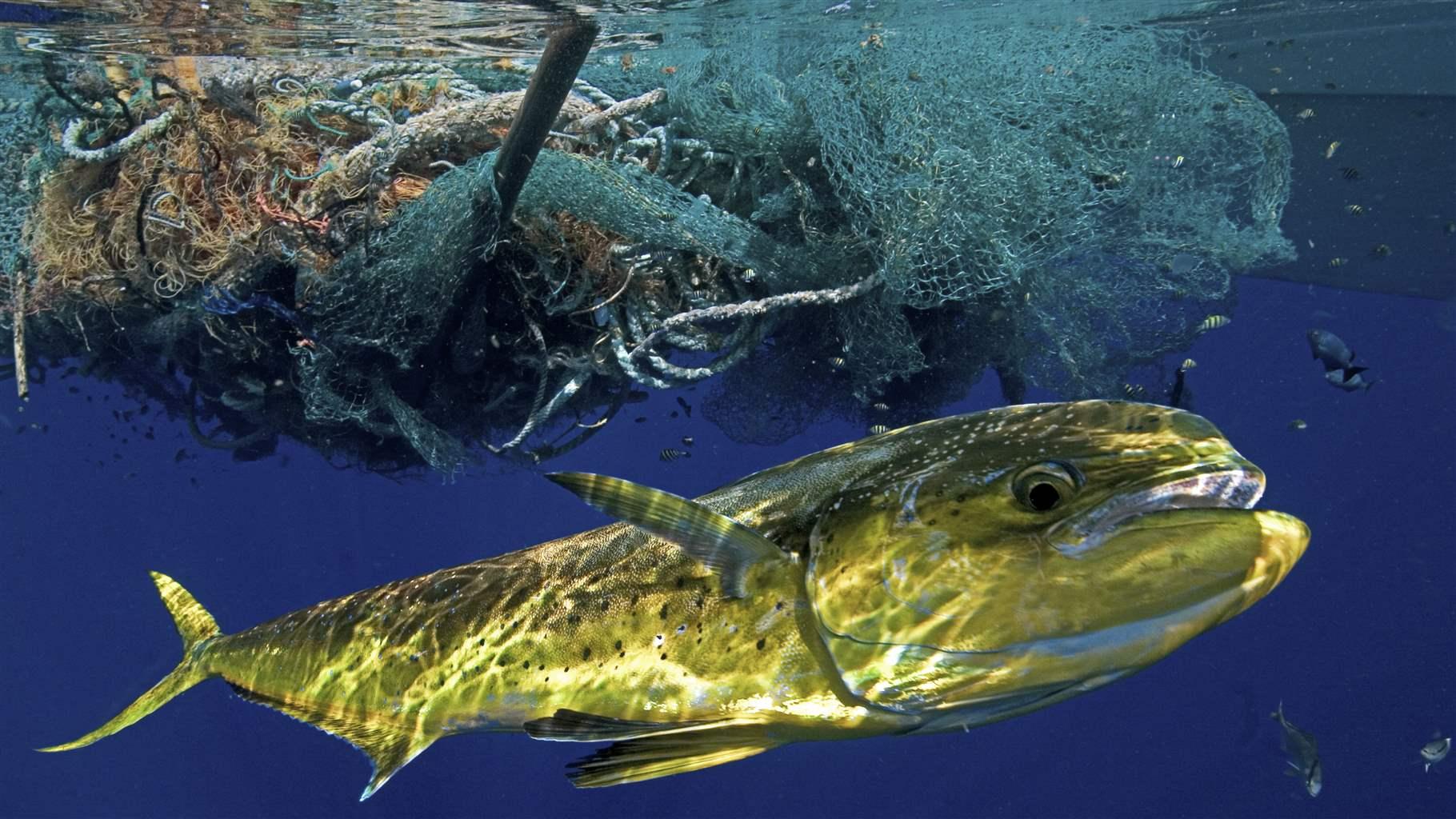
Plastic pollution is a growing problem, with far-reaching consequences for human health and the planet. A new approach turns certain plastics, such as those used in water bottles and food packaging, into food by breaking them down and feeding them to special bacteria. The bacteria are then processed into a mild, protein-rich powder for people or animals. If the technology advances, it would address only a fraction of plastic pollution and could not replace efforts to reduce plastic production or improve waste management. But it could help to reduce mismanaged plastic waste while boosting food security and providing a novel use for materials that currently end up in landfills or the environment.
Weight-loss drugs could change land use
As global obesity rates rise, more people are turning to new weight-loss drugs that target the GLP-1 hormone pathway. These drugs often reduce appetite and shift what people choose to eat. Early studies show that users tend to eat fewer processed foods, sugary drinks, refined grains, and especially beef.
Because beef and heavily processed foods require a lot of land, water, and resources to produce, a long-term drop in demand could slow the need for new farmland and reduce pressure to clear more land for grazing. Over time, this could open the door for restoring natural habitats or rewilding degraded areas.
None of these land-use changes have been seen yet, but they’re possible if many more people worldwide adopt these medications and maintain those long-term dietary shifts. The overall impact will depend on how widely these drugs are used, how lasting the changes in eating habits are, and how the global food market responds to shifting demand.
TinyML for monitoring remote locations
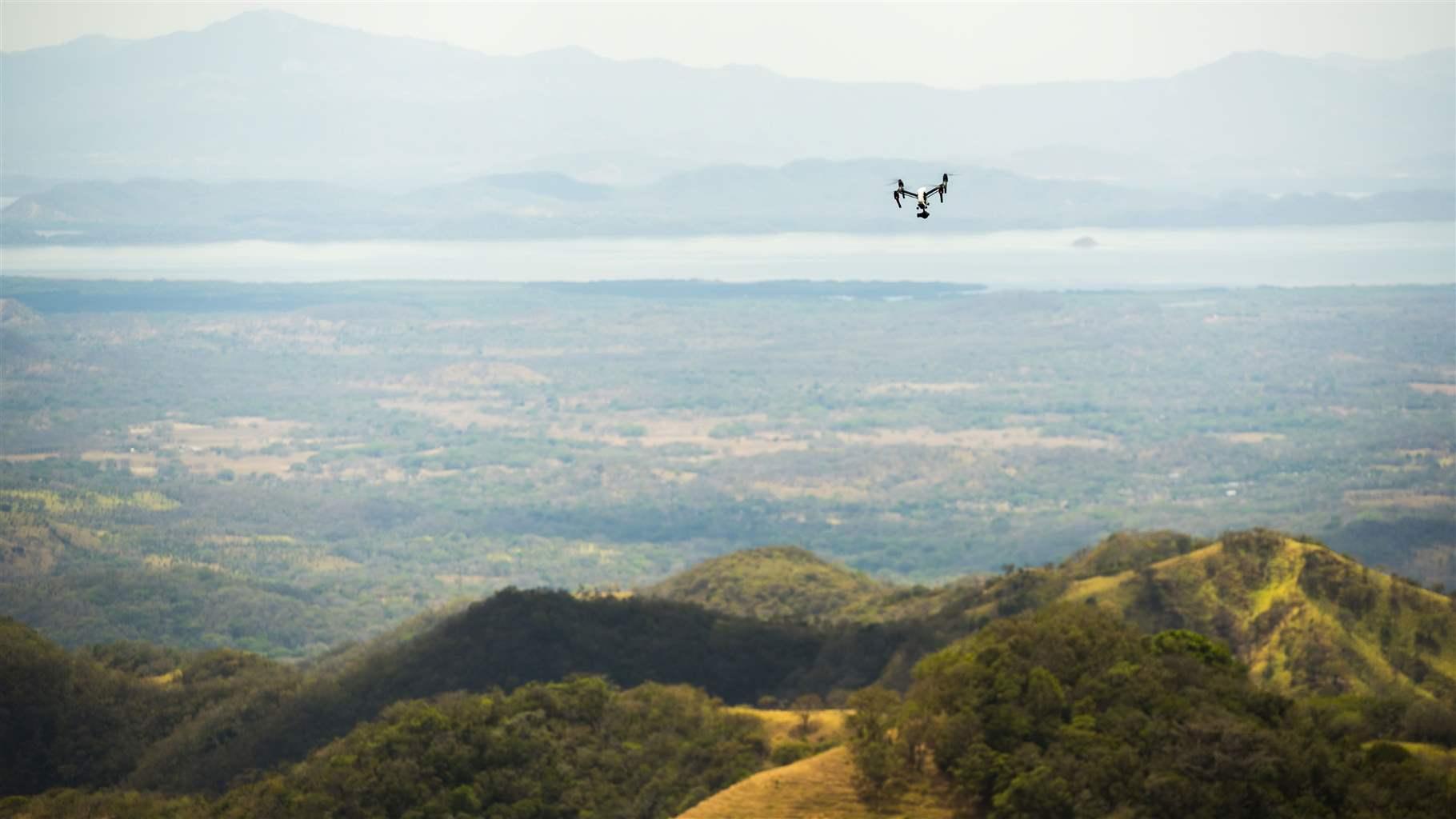
Tiny machine learning, or TinyML, allows small, low-power devices to run AI models without needing internet access. These devices can work for long periods on batteries or solar power and can handle tasks such as detecting certain animal sounds, spotting crop diseases, monitoring soil, or even helping to track poaching activity—sending concise data to local researchers even in the absence of internet connectivity.
By pairing TinyML with sensors, drones, and other tools, researchers could greatly improve how we monitor farms, wildlife, and the environment in real time. One drawback is that the data produced may not be usable in retrospective analyses.
New fund for tropical forests
The Brazil-led Tropical Forests Forever Facility launched in November aims to raise a $125 billion fund to reward tropical countries for keeping deforestation low. Participating countries could receive annual payments based on performance, with penalties for forest loss or fire damage.
The fund is designed to give more control to the Global South, including a required minimum 20% of funds for Indigenous peoples and local communities. Transparency rules and grievance mechanisms aim to keep the money aligned with real conservation outcomes. Success will depend on strong monitoring, fair risk-sharing, and verification that natural forests are being protected at scale.
These emerging issues highlight how rapidly conservation can evolve. While some represent novel opportunities, others present new threats. Many will unfold in unpredictable ways. Taking this early look allows us to anticipate change, support innovation, and ensure that decision-makers and practitioners are better prepared to face whatever comes.
Jim Palardy leads The Pew Charitable Trusts’ conservation science work.
People