Oregon Coastal Communities Seek Solutions Amid Worsening Storms, Sea-Level Rise
Local land use planners share knowledge to protect coastal residents
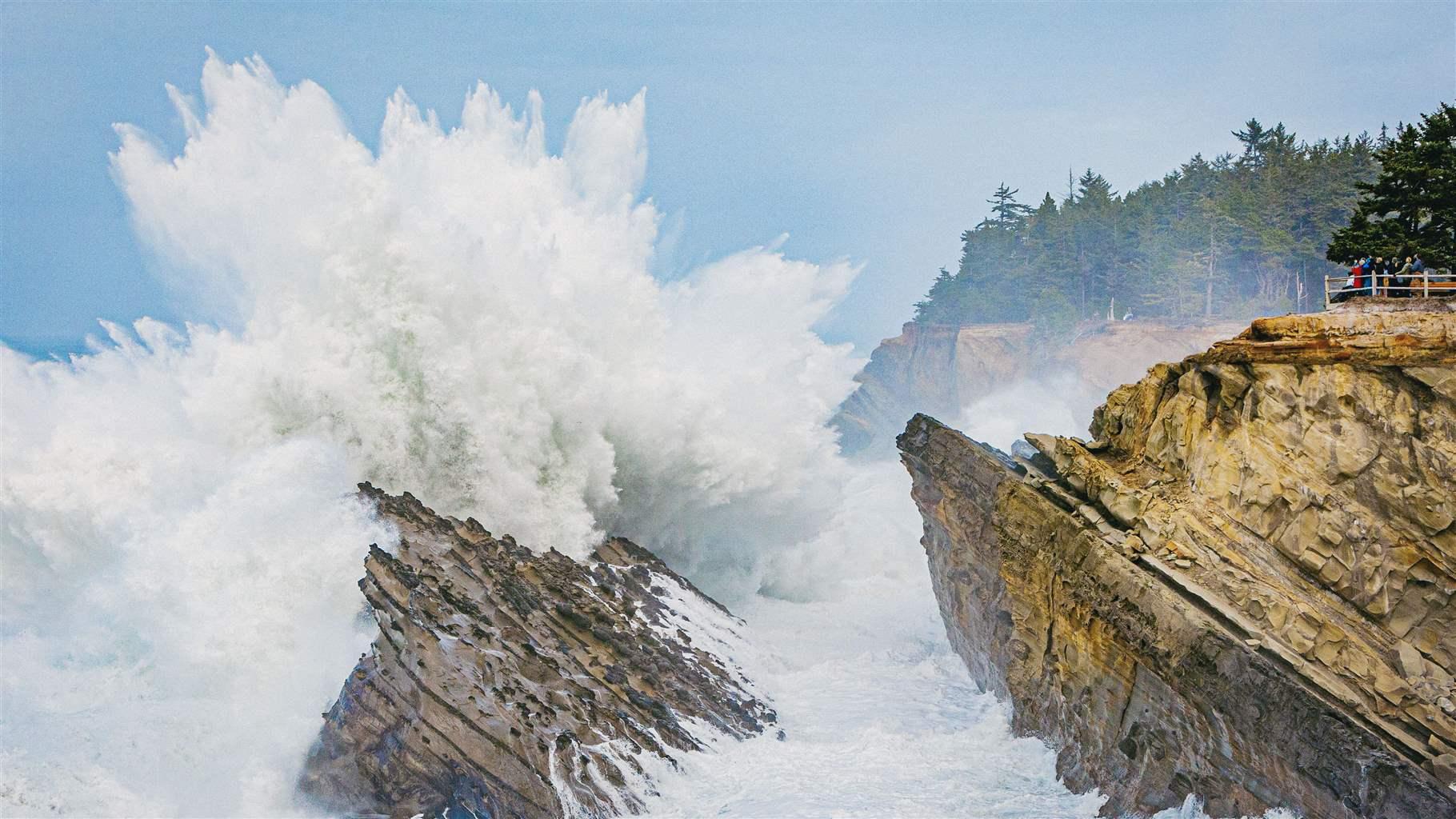
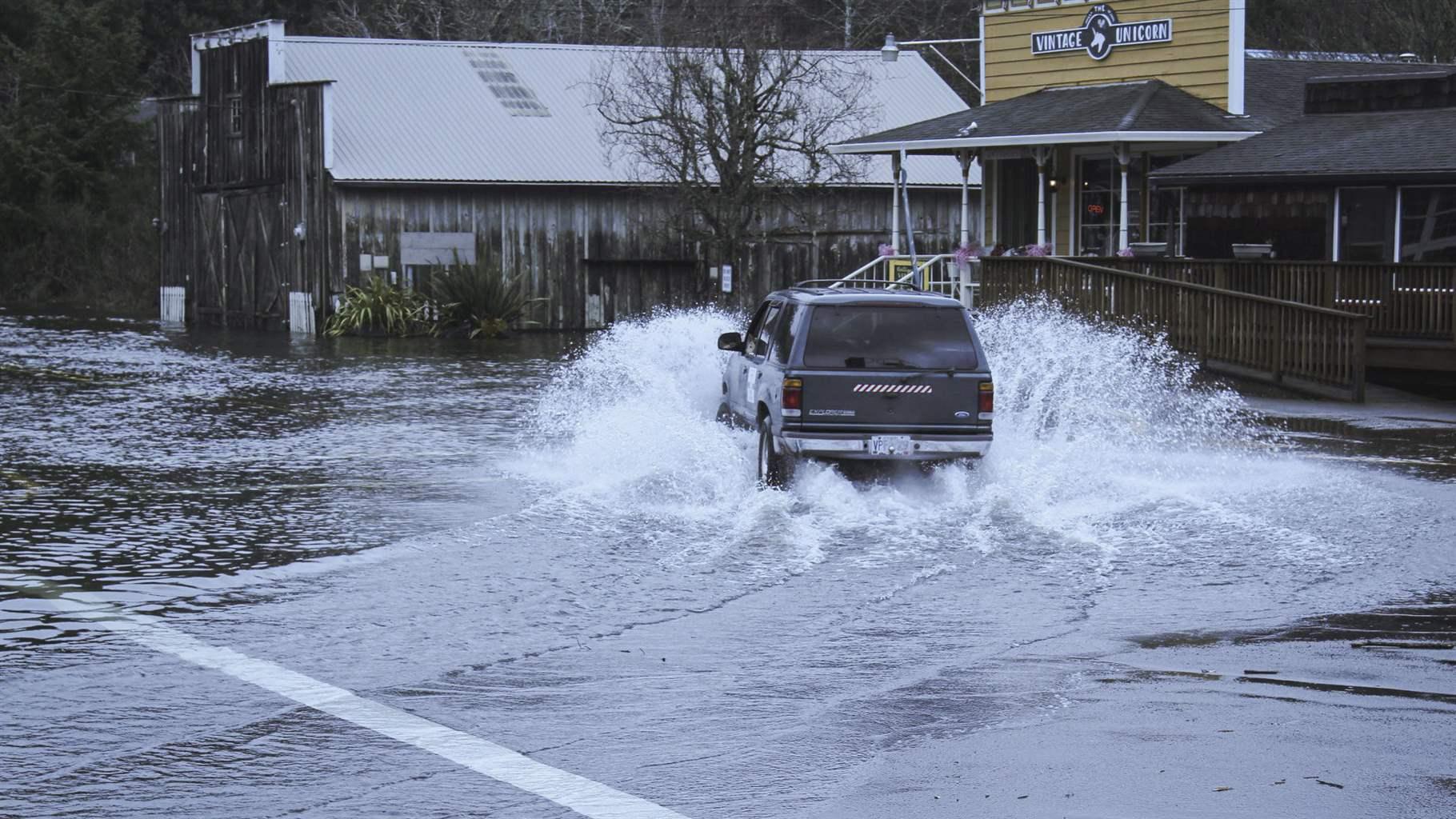
Throughout the Pacific Northwest this winter, communities are experiencing intense rainstorms, causing heavy flooding and fierce winds, power outages, emergency evacuations, and several deaths. Scientists warn that these storms will increase in frequency and severity in the coming years, and communities should plan accordingly.
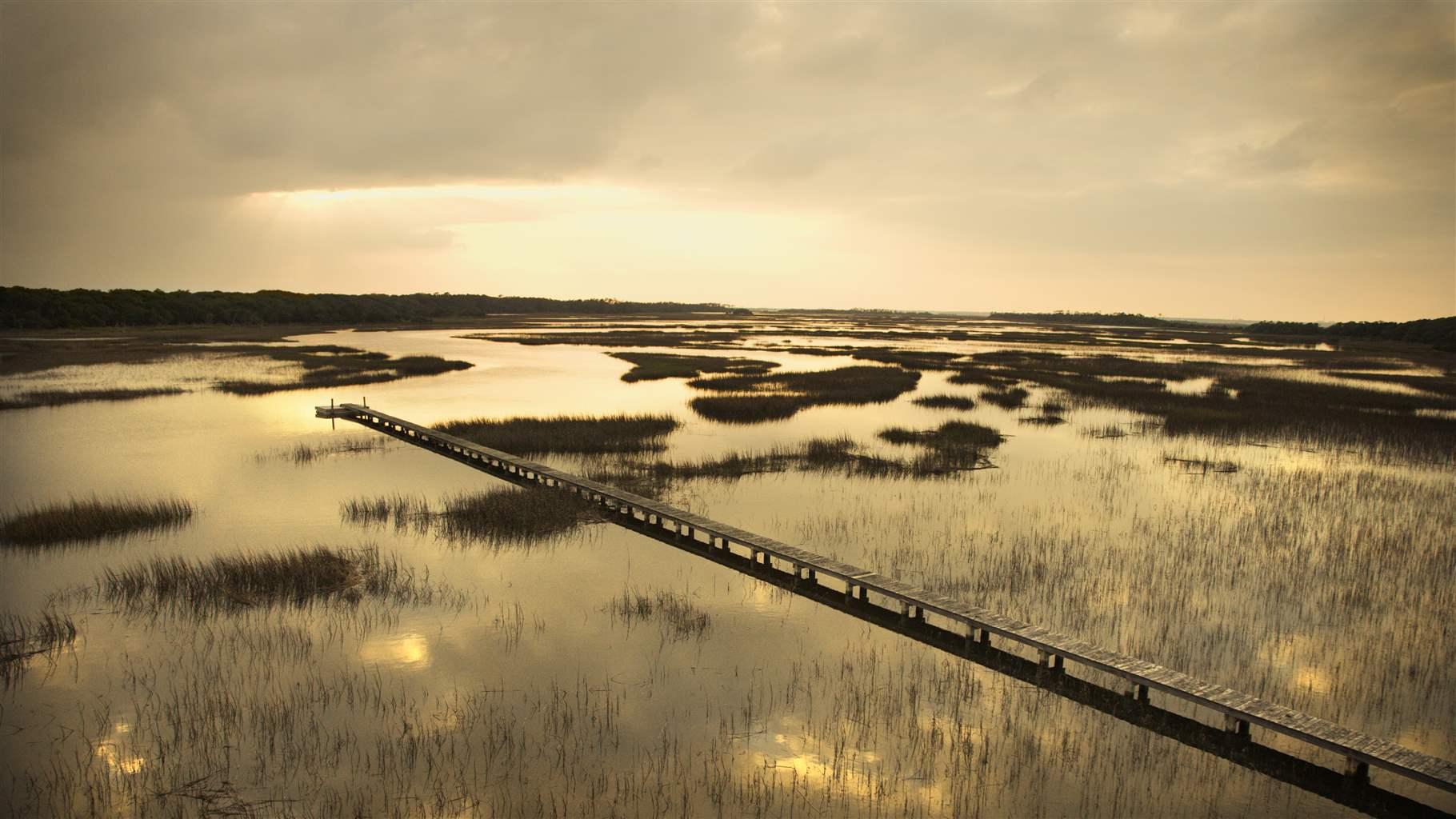
Sea-level rise also poses growing risks to people, property, and nature. New modeling of Coos Bay, Oregon, shows growing flood risk to rural and in-town residents and businesses under multiple sea-level rise scenarios and finds that investments in tidal wetland restoration significantly reduced this threat.
These topics and more were the subjects of recent workshops in Pacific City and Coos Bay, Oregon, co-hosted by the Oregon Department of Land Conservation and Development’s (DLCD’s) Coastal Management Program Sea & Shore Solutions and The Pew Charitable Trusts. The events brought together dozens of planning, public works, and community development staff from 14 cities and three counties.
Speakers and participants explored challenges, successes, and opportunities related to innovative planning and projects aimed at building a more resilient coast. Their perspectives can provide essential food for thought for Oregon Governor Tina Kotek (D) and the state Legislature as they work to shape policy and funding this year and next.
Workshop highlights
- Meg Reed, Rhiannon Bezore, and Claire Fiegener from DLCD covered key concepts of coastal resilience, gave examples of proactive steps that the state and local communities are taking, and provided a compilation of resources for planners.
- Sarah Absher, director of community development for Tillamook County; Jill Rolfe, planning and community development director for Coos County; and Scott Fregonese of 3J Consulting discussed the dynamics local land use planners must balance to make a community resilient. Rolfe offered a closing thought: "Coastal communities are resilient—but resilience doesn’t just happen. It takes planning, tough conversations, and resources. Coos County has chosen to step up, even without mandates, because we know the risks we face. Our job is to make sure our communities don’t just survive hazards but recover and thrive."
- Onno Husing, director of planning and development for Lincoln County, presented on the Lincoln Land Legacy Project wherein the county proactively set aside resources to fund land conservation, which, in part, led to the successful return of 27 acres at Cape Foulweather to the Confederated Tribes of Siletz Indians.
- Laura Johnson from Oregon's Department of Environmental Quality (DEQ) and Michelle Smith from the Coalition of Oregon Land Trusts provided a look at Oregon's Drinking Water Source Protection Program, which is administered by DEQ and the Oregon Health Authority and designed to help public water systems protect their drinking water sources. Johnson and Smith also featured the city of Reedsport’s efforts to conserve land in the Clear Lake watershed to protect water quality while increasing the resilience of the community’s sole drinking water source.
- Chris Laity of Tillamook County’s public works department extolled the virtues of collaboration and being nimble in pursuit of funding for projects that increase passage for aquatic species, such as salmon, while providing flood protection for farmers and residents. Several projects that Laity highlighted are part of the Pew-backed Salmon SuperHwy.
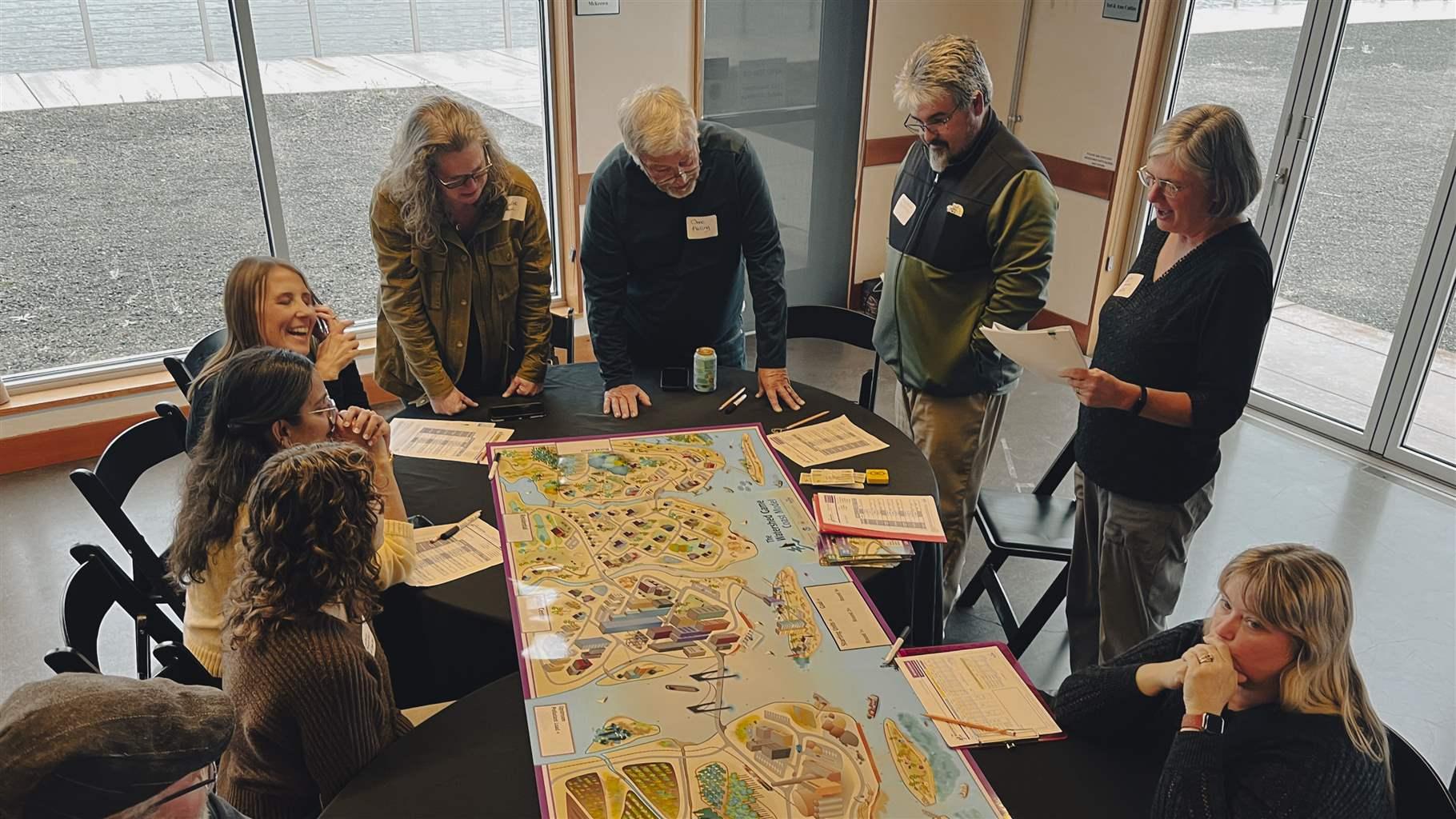
- Cait Goodwin from Oregon Sea Grant concluded each convening by facilitating a cooperative game about reducing pollution and increasing flood resilience in a watershed, aptly named The Watershed Game.
Coastal communities need resources to plan for resilience
Several workshop participants cited a lack of adequate federal, state, and local funding for planning as a consistent barrier to progress. Land use planning takes time and resources, assistance from knowledge holders, and robust community outreach, and the lack of investment in these initiatives puts communities at risk. Residents in Coos Bay have gone several years without the funding necessary to update the region’s Estuary Management Plan, which is a critical platform for community decision-making about coastal zoning and future land use.

In a welcome sign, Gov. Kotek issued an executive order in October tasking state agencies to deepen their collaboration to ensure that the state’s lands, waters, and people are resilient to shifting environmental conditions. And Oregon’s Department of Energy has been working to inventory the best land management practices that store greenhouse gases and determine the workforce needed to scale these practices up. Those analyses have concluded that, in addition to providing flood protection for coastal residents, protecting and restoring wetlands are critical to reducing carbon pollution.
But moving these resilience and climate efforts from plans to action will depend on the governor and Legislature securing essential funding. Pew stands ready to partner with them to ensure that Oregon’s coastal communities can prepare, recover, and thrive.
Bobby Hayden works on The Pew Charitable Trusts’ U.S. conservation project.
People