U.N. Meeting Will Help Map Out Future of the High Seas Treaty
Governments must now build effective institutions and processes for agreement to succeed
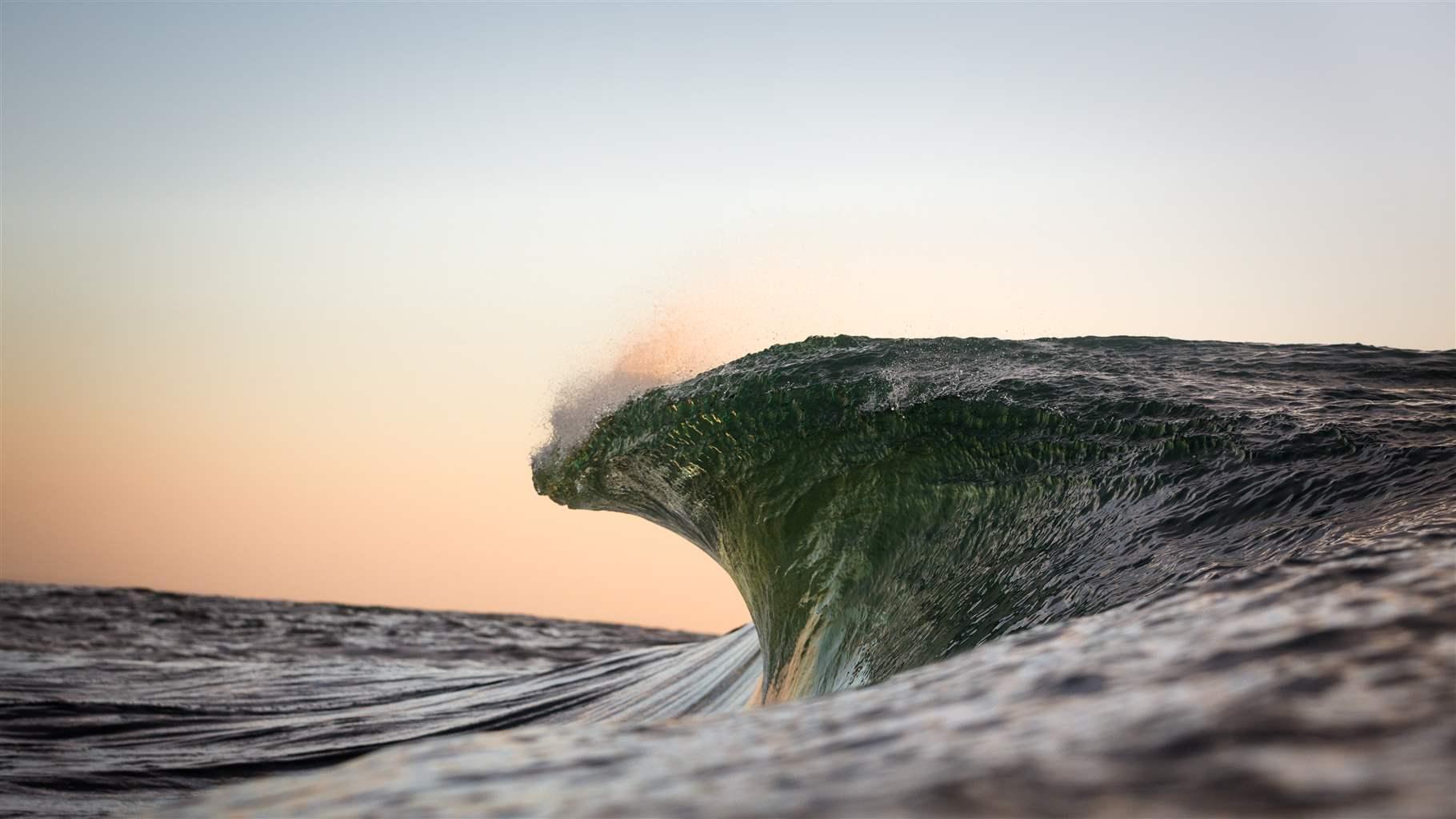
Covering nearly half the planet’s surface, the high seas are teeming with life, from megafauna such as whales, sharks, turtles and tuna to phytoplankton and krill to deep-sea corals that have grown for centuries in darkness. These waters fuel global fisheries, regulate climate and anchor intricate food webs that reach every coastline.
Now, for the first time, a comprehensive legal framework is in place that enables governments to protect these vital global commons.
The United Nations Agreement on the Conservation and Sustainable Use of Marine Biological Diversity of Areas Beyond National Jurisdiction — also known as the high seas treaty, or BBNJ Agreement — entered into force on 17 January 2026. And after more than 20 years of negotiations, this agreement provides governments with a significant new legal framework to safeguard the abundant marine life found in the two-thirds of the ocean that lie beyond any country’s jurisdiction.
This month, world governments will convene in New York City to discuss critical operational details — including financing and the functions of the future secretariat — that will allow them to effectively implement the treaty. They will also deliberate over stakeholder engagement and the development of an information-sharing platform to fulfill the treaty’s mandate to be transparent and inclusive.
Once the necessary processes and governance bodies are set up, parties to the treaty can begin to create a network of high seas marine protected areas (MPAs); assess the environmental impacts that activities could have on the marine environment; and ensure that ocean resources are managed and shared responsibly, fairly and equitably.
To translate the promise of this historic agreement into real-world results, U.N. member States must now build the institutions that will allow the treaty to function — and deliver protections — on the water.
Treaty’s success hinges on building strong institutions
Fortunately, government delegates have been hard at work on that task. After the treaty was adopted in June 2023, the U.N. established a Preparatory Commission (PrepCom) for setting up the rules, procedures and governance systems that will ultimately carry out the treaty’s work. The PrepCom will convene a third time 23 March-2 April for its final scheduled session. The treaty’s decision-making body, the Conference of Parties (CoP), is mandated to meet within one year of the agreement entering into force.
During the PrepCom session, U.N. delegates will discuss operational details, including:
- A clearinghouse mechanism — a centralized platform where countries can share information, including results from their environmental impact assessments.
- A scientific and technical body — a group of experts who will provide scientific advice to the CoP and other assessments to inform the establishment of future high seas MPAs.
- A financial mechanism to help developing countries fulfill their obligations under the treaty.
- Guidelines for the participation of observers, including Indigenous peoples and local communities, in the CoP’s decision-making processes and other activities carried out under the treaty.
- Directions for how to operationalize committees and other subsidiary bodies established by the treaty.
Finalizing these details will help ensure the treaty’s success and advance lasting protections for the high seas.
How the treaty can deliver real protections
Despite housing rich biodiversity, including many still-undiscovered species, only 1% of the high seas are protected. The high seas encompass a range of remarkable ecosystems — from krill-centered food webs in the Antarctic and contiguous beds of seagrass on shallow plateaus to productive waters fed by hydrothermal vents and seamounts found in the darkest depths of the ocean.
One valuable high seas area that would benefit from comprehensive protections, for example, is the Thermal Dome — a dynamic and shifting zone found in the eastern tropical Pacific, far off the coast of Central America. The Thermal Dome experiences a unique interaction between strong surface winds and surrounding ocean currents that drives deep, cold, nutrient-rich water up towards the warmer surface, supporting myriad marine species. Because this biodiversity hotspot shifts locations seasonally, it is vulnerable to threats such as shipping and destructive fishing practices, among others.
Worldwide, the high seas treaty can help governments address those and similar threats with MPAs, a move that can also help countries meet the global goal — adopted in 2022 — of conserving 30% of the ocean by 2030.
Governments must continue high seas treaty’s momentum
Countries must leverage the upcoming PrepCom session to reach consensus and further ensure that representatives at the first CoP can swiftly agree on the processes and structures necessary to successfully implement the agreement. Governments and the ocean conservation community should celebrate the treaty’s progress to date but also must remain focused on achieving its ultimate goals: a healthier high seas, thriving biodiversity and more equitable outcomes for the global community.
Liz Karan is a director and Ingrid Banshchikova is a senior associate with The Pew Charitable Trusts’ ocean governance project.
People