5 Myths About Wildlife Crossings in the Southeast
Crossings are a cost-effective solution for reducing wildlife-vehicle accidents
The Appalachian mountain range, which spans more than 2,000 miles from Alabama to Canada, is the largest wildlife migration corridor in the eastern United States, providing diverse species with places to breed, move, and adapt to shifting landscapes. But development and fragmentation from roads have also made it high-risk for wildlife-vehicle accidents, with many Appalachian states—including Virginia, Pennsylvania, and West Virginia—consistently topping State Farm’s annual national animal collision report.
The good news is that a cost-effective solution exists: Wildlife crossings reduce accidents involving wildlife by as much as 97%, keeping roads safer for people and animals while connecting habitat that species need to thrive. With Virginia’s recent passage of H.B. 597—which creates a fund for crossings, supported through voluntary donations that residents can make when filing taxes or conducting DMV transactions—the region is seeing progress in implementing such infrastructure.
Yet despite this momentum, and the clear evidence of their benefits, some common misconceptions about crossings persist. It’s time to clear those up.

Myth 1: Wildlife crossings are always overpasses
Wildlife crossings include a broad set of infrastructure: road overpasses and underpasses, culverts, and even small tunnels for animals such as frogs and turtles. On the East Coast, some of the most effective options are preexisting structures that go under roads.
Because highway departments already build and maintain bridges and culverts where roads cross streams and rivers, adapting these existing underpasses to support safe wildlife passage—instead of building new ones—is a logical, cost-effective approach. This often involves adding fences that steer animals away from traffic to enhance the effectiveness of the crossings. For example, a study on Interstate 64 in Virginia found that adding fencing to existing large underpasses cut deer-vehicle collisions by 96%. Across diverse landscapes, studies consistently show that crossings with fencing, whether over or under a road, reduce crashes with large animals by more than 80%.

Myth 2: Wildlife crossings are only good for reducing wildlife-vehicle collisions
Wildlife crossings can drastically reduce crashes between animals and vehicles, but they also do much more. They reconnect habitat so that all kinds of animals can reach food, water, shelter, and mates, and can help roads and nearby communities better handle flooding.
For example, poorly designed culverts block fish and other aquatic animals from moving up and down streams. Many older culverts are too small for today’s heavier storms and can clog, overflow, or wash out, increasing the likelihood of flooding that can damage critical infrastructure and put communities at risk, as happened when Hurricane Helene compromised 63 culverts and 26 bridges in Virginia in 2024, costing millions.
But new and upgraded crossings that are designed to work with a stream’s natural structure can help address all these problems, providing safer roads for people and animals, better habitat connections, improved fish passage—which also supports outdoor recreation—healthy ecosystems, and stronger, more resilient infrastructure.

Myth 3: Preventing wildlife-vehicle collisions requires installing crossings everywhere
States don’t need to build large crossing projects on all their roads and highways to make a meaningful difference in roadway safety. Larger projects work best when they are placed in high-risk areas where animals are already trying to cross roads.
Highway departments and researchers in states such as Virginia and Kentucky use police crash reports, roadkill records, GPS collar data, habitat maps, and landscape features to identify locations where crossings will have the biggest impact. This targeted approach is practical and cost-effective, ensuring that funding goes where it can do the most good.
Communities are also finding ways to combine wildlife passage projects with flood resilience work. Multiple smaller improvements, such as retrofitting culverts or adding fencing that funnels wildlife away from traffic to existing underpasses, can add up to big benefits by preventing road damage during storms and keeping drivers and wildlife safe.

Myth 4: Animals are afraid to use crossings
When wildlife crossings are placed in the right locations and paired with fencing, animals use them. One multiyear study of 11 underpasses along the Trans-Canada Highway found that animals such as elk, deer, wolves, cougars, and bears used the crossings regularly and all made successful crossings, showing that these structures work well when they match how animals move through the landscape.
Similarly, a study along U.S. Highway 64 in eastern North Carolina showed that white-tailed deer’s use of underpass areas grew nearly sevenfold after the state improved and added fencing to the passages. And in Virginia, surveys found that deer crossings increased by 410% at one culvert after fencing was added.
Research also shows that wildlife crossings do not put prey animals at heightened risk. Although diverse animals use these structures frequently, studies have detected no increase in predator-prey interactions or predation at crossings, and have shown that predators and prey tend to use crossings at different times.

Myth 5: Wildlife crossings are too expensive
Some wildlife crossing projects can be costly, but they also often deliver substantial returns on those investments, especially in places with the highest accident rates. Nationwide, wildlife-vehicle collisions cost more than $10 billion a year, with the average deer crash costing about $20,000, and larger species costing well over double that. Because crossings paired with fencing can significantly reduce collisions with wildlife, well-placed projects can pay for themselves over time in prevented crashes, injuries, and property damage.
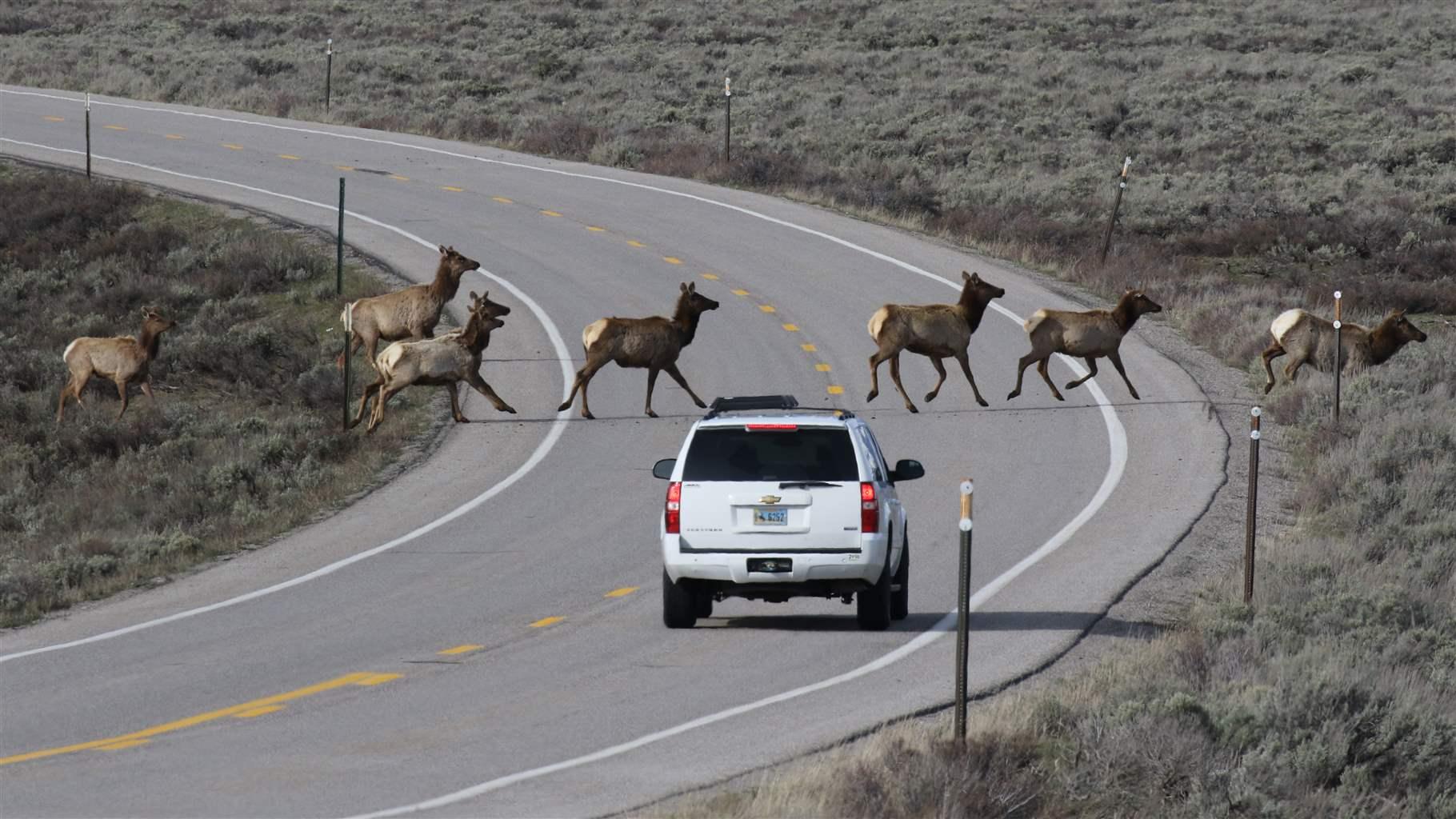
Crossings designed to work with streams can add even more value by allowing water, sediment, and aquatic species to move through, even during major floods. Studies show that underpasses designed with natural streams’ structure in mind sustained far less damage from major storms than traditional culverts and saved money over the long term by avoiding washouts that required expensive repair.
Wildlife crossings are a smart public investment. When strategically located, they save lives, reduce costly crashes, reconnect habitat, improve animals’ mobility, strengthen infrastructure resilience, and help communities better handle floods.
Jessica Roberts works on The Pew Charitable Trusts’ U.S. conservation project.


