Argentina Joins Global Treaty to Fight Illegal Fishing
Country’s commitment signals a wider regional effort to keep illicitly caught seafood out of the market

On July 17, Argentina enacted legislation approving the country’s accession to the United Nations Food and Agriculture Organization’s Port State Measures Agreement (PSMA), a major milestone for fisheries governance in the southwest Atlantic Ocean.
This year marks the tenth anniversary of the PSMA’s entry into force, and it remains the only legally binding international treaty designed to address illegal, unreported and unregulated (IUU) fishing by denying vessels engaged in these practices access to the world’s ports. Argentina’s accession strengthens regional efforts to tackle these challenges and, coming on the heels of its assent in February to the International Maritime Organization’s Cape Town Agreement to improve fishing vessel safety, reflects the country’s growing commitment to transparency, accountability and safety throughout the fishing sector.
What is the PSMA?

The PSMA requires its more than 100 parties, which include major fishing fleets such as those from the European Union and China, to implement controls to minimize the risk that foreign fishing vessels will bring IUU-caught fish into port, including strengthened inspections and data sharing. These measures enhance monitoring, control and surveillance efforts, and they identify vessels suspected of illegal operations for all parties, keeping those ships from accessing ports. Although the agreement focuses on foreign vessels, countries must apply equally robust controls to their own fleets to ensure comprehensive oversight.
Recent research shows that the PSMA works. Since 2017, the risk of IUU-caught fish landing in ports has decreased worldwide as stronger controls have been adopted regionally, benefitting nonparties as well as parties.
Argentina enhances cooperation across the Southern Cone
The southwest Atlantic is an area of significant fishing activity, including by large, “distant water” fleets that operate on the high seas. “Southern Cone” ports – those in Argentina, Brazil, Chile and Uruguay – play an important role in the seafood trade and are key to preventing IUU-caught fish, including squid, tuna, shrimp and other high-value species, from entering international markets.
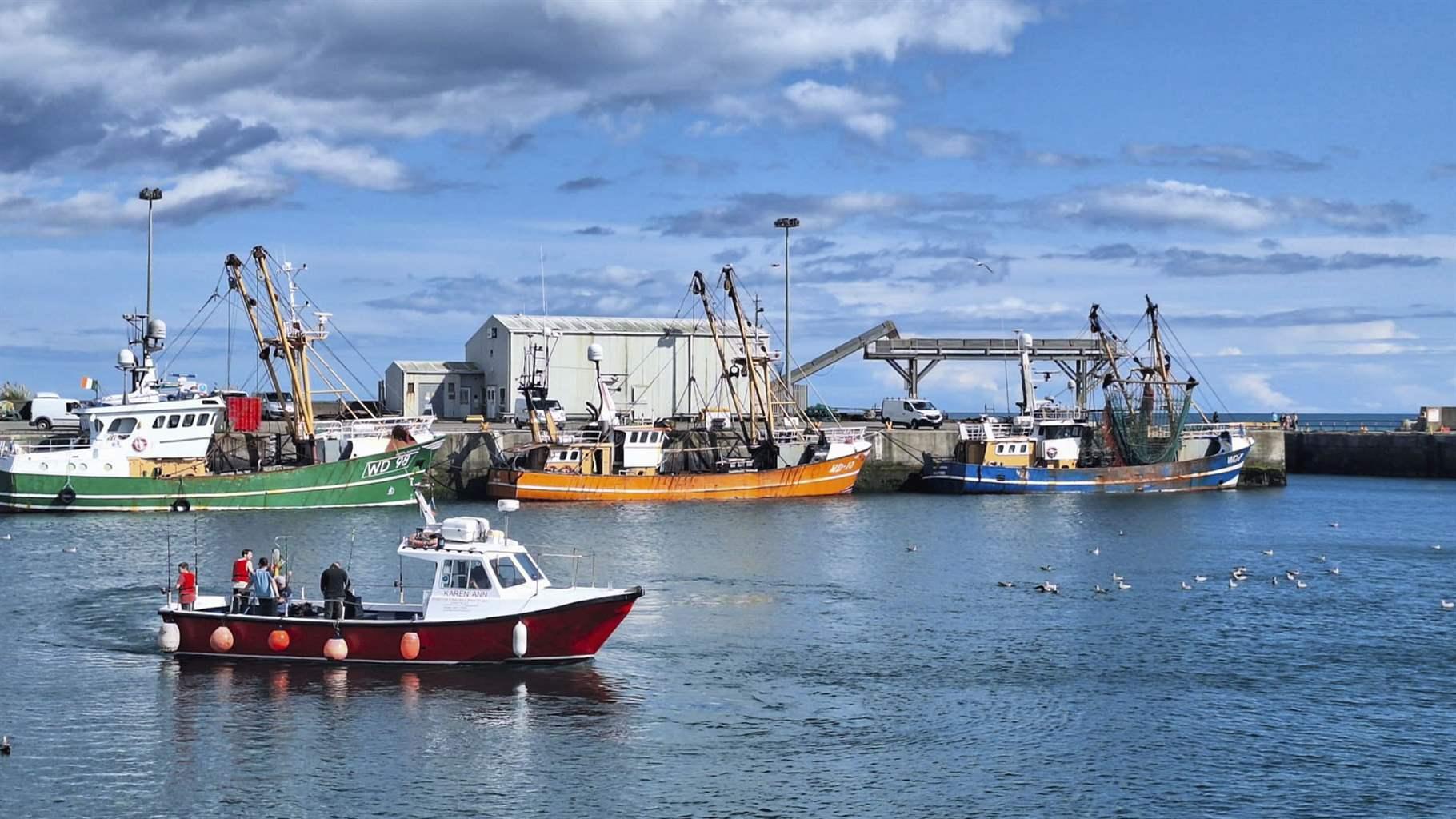
In addition to Argentina, Chile and Uruguay are also parties to the PSMA, demonstrating a shift towards collective action in the region. Ports across a vast portion of South America’s coastline are now covered by the agreement, aligning these three countries’ commitments with a broader global approach to improved ocean governance. The PSMA’s information sharing and coordination elements will enable cooperative regional implementation of the agreement’s requirements and strengthen other related efforts.
As Argentina and its southwest Atlantic neighbors move towards full PSMA implementation, dishonest operators will find it increasingly difficult to bring illegitimate catch to market in the region and will have to travel further to find a port, reducing their financial incentive for IUU activities. These outcomes, in turn, will further demonstrate that cooperative approaches to improving ocean and fisheries management are among the best ways to not only deter IUU fishing but also to protect vital ocean resources.
Tahiana Fajardo Vargas works on strengthening cooperative efforts to fight illegal, unreported and unregulated fishing in South America for The Pew Charitable Trusts’ international fisheries project.
People


