


In June 2023, with extensive support from The Pew Charitable Trusts, the United Nations adopted a treaty establishing a legal framework to create a network of high seas marine protected areas – the equivalent of international parks at sea – and put in place standards, guidelines and a consistent process for assessing the environmental impacts of new high seas activities.
To help ensure that the ocean continues to support thriving biodiversity, benefit humankind and maintain resilience against threats such as climate change and overfishing, Pew is partnering with governments, scientists, regional ocean management organizations and other key stakeholder groups to enable the rapid and effective implementation of the treaty once it enters into force. Pew’s focus in this collaborative effort is on establishing a path towards the creation of the first generation of high seas marine protected areas by 2030.
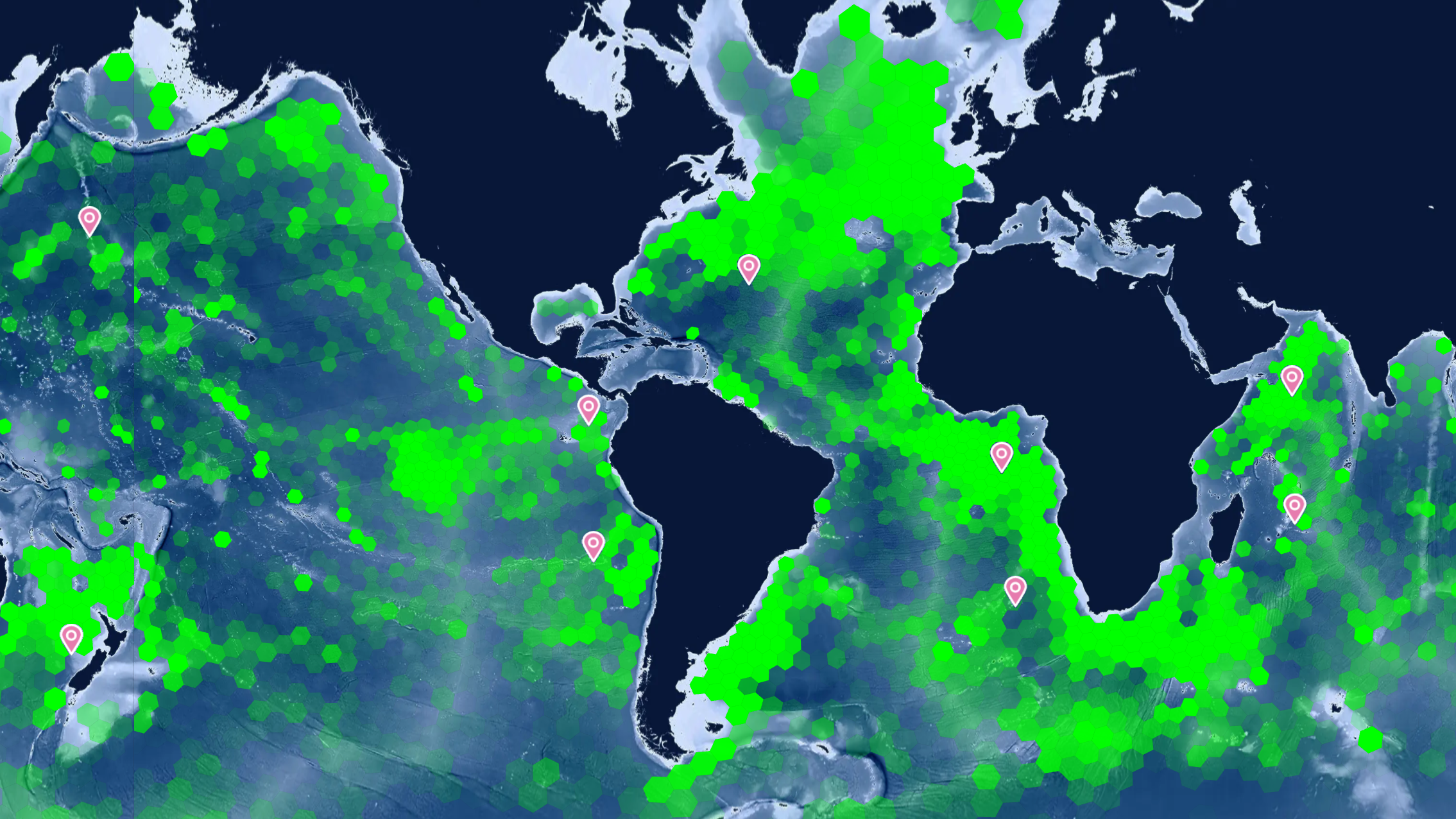
Protect High Seas
Did you know that only 1% of the high seas have legal protections? Learn more about safeguarding this vital international ecosystem with the marine protected areas tool from Pew.

Inside the New High Seas Treaty
On 20 September 2023, the United Nations opened its new agreement on the conservation and sustainable use of marine biodiversity beyond national jurisdiction—also known as the BBNJ treaty or high seas treaty —for signature and ratification.
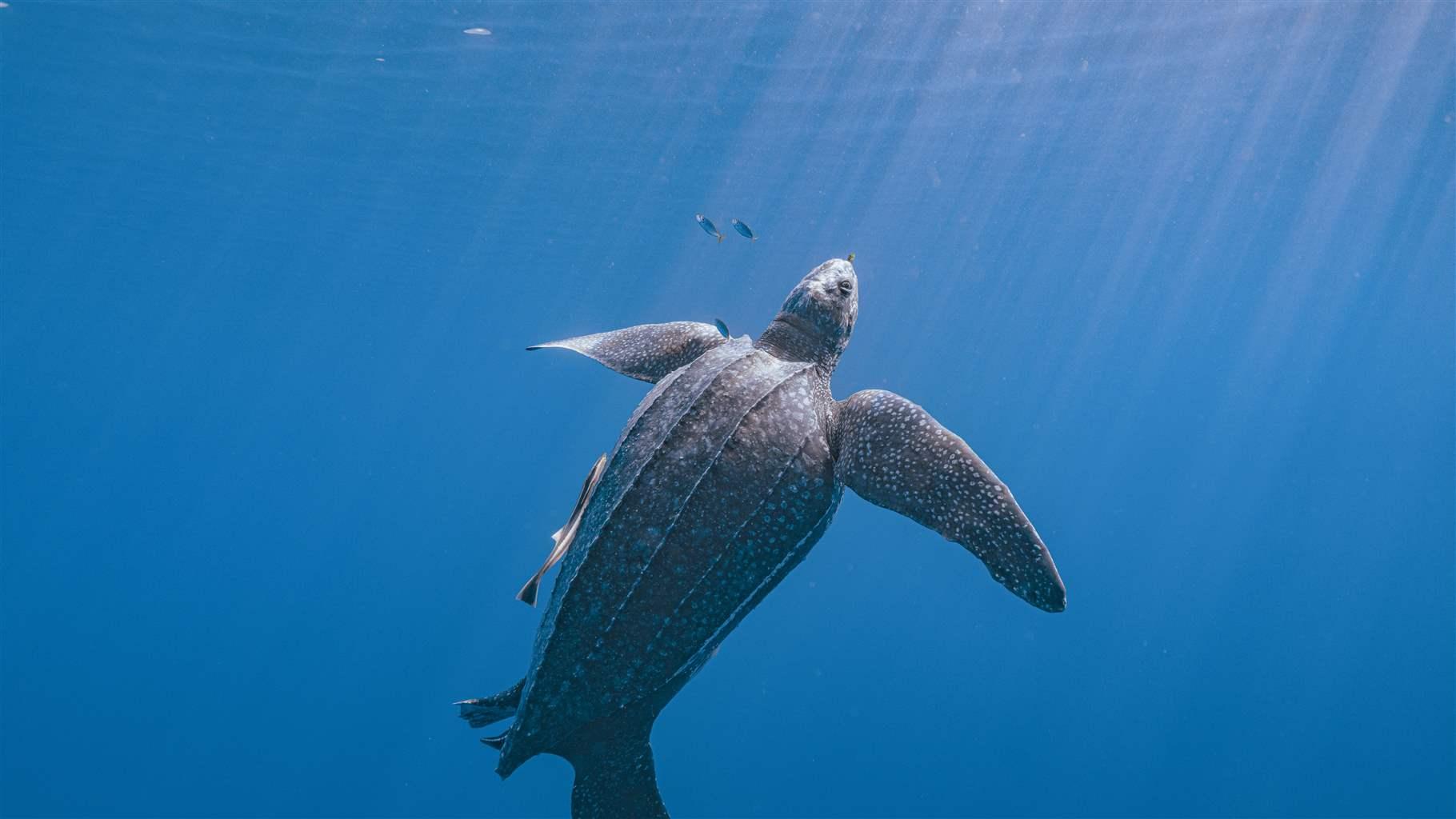
With High Seas Treaty in Force, Ocean Life Gains New Hope
Starting today, the global community for the first time has a real opportunity to protect significant portions of the ocean. The high seas – the two-thirds of the ocean that lie outside national borders – teem with life and serve as migratory routes for sea turtles, whales, dolphins, sharks and manta rays. But these waters and the life within them are vulnerable to threats ranging from destructive fishing practices to seabed mining.

Protect the High Seas
The high seas—waters beyond any single country’s jurisdiction—cover more than half our planet’s surface. They are among the most biodiverse locations on Earth, harboring remarkable ecosystems and providing countless benefits for marine life and humanity alike. The problem? Right now, only 1% is protected.
Media Contact
RELATED PROJECTS

