

We regularly release reports that often offer comparisons with other major U.S. cities, and we conduct polling to determine Philadelphians’ views on policy issues, elected officials, and various aspects of life in the city.
We also combine our local capacity with our state- and national-level expertise to convene city and regional stakeholders with experts and officials from around the country to discuss effective, evidence-based solutions being implemented in other jurisdictions and the impacts of those reforms.

Gen Z Likes Philly but Dislikes Low Pay, Limited Jobs There
Young adults ages 18-29—members of Generation Z—represent a sizable share of today’s labor force and tomorrow’s economic mobility for families and communities.

Philadelphia 2026
It’s a time to point to notable progress that the city has made on many of the most challenging issues facing its residents, including reductions in homicides and shootings, overdose deaths, and the poverty rate. But there are also troubling signs, including stagnating educational attainment, median income, and population. These metrics, which had been bright spots for the city in recent decades, have been impeded since the COVID-19 pandemic and pose a long-term risk to the city’s success.

An In-Depth Look at Professional Services Contracting in Philadelphia
Philadelphia signs nearly 2,300 professional services contracts per year, averaging $3.8 billion in allocations, yet the majority don’t begin on time, according to a new report by civic sector consulting firm Bennett Midland. These delays cause late payments to vendors, which in turn can affect the delivery of services to residents and slow the business of local government. Therefore, the report recommended process changes that could help prevent delays and benefit vendors, city staff, and Philadelphians alike.
Philadelphia’s Guiding Document at 75
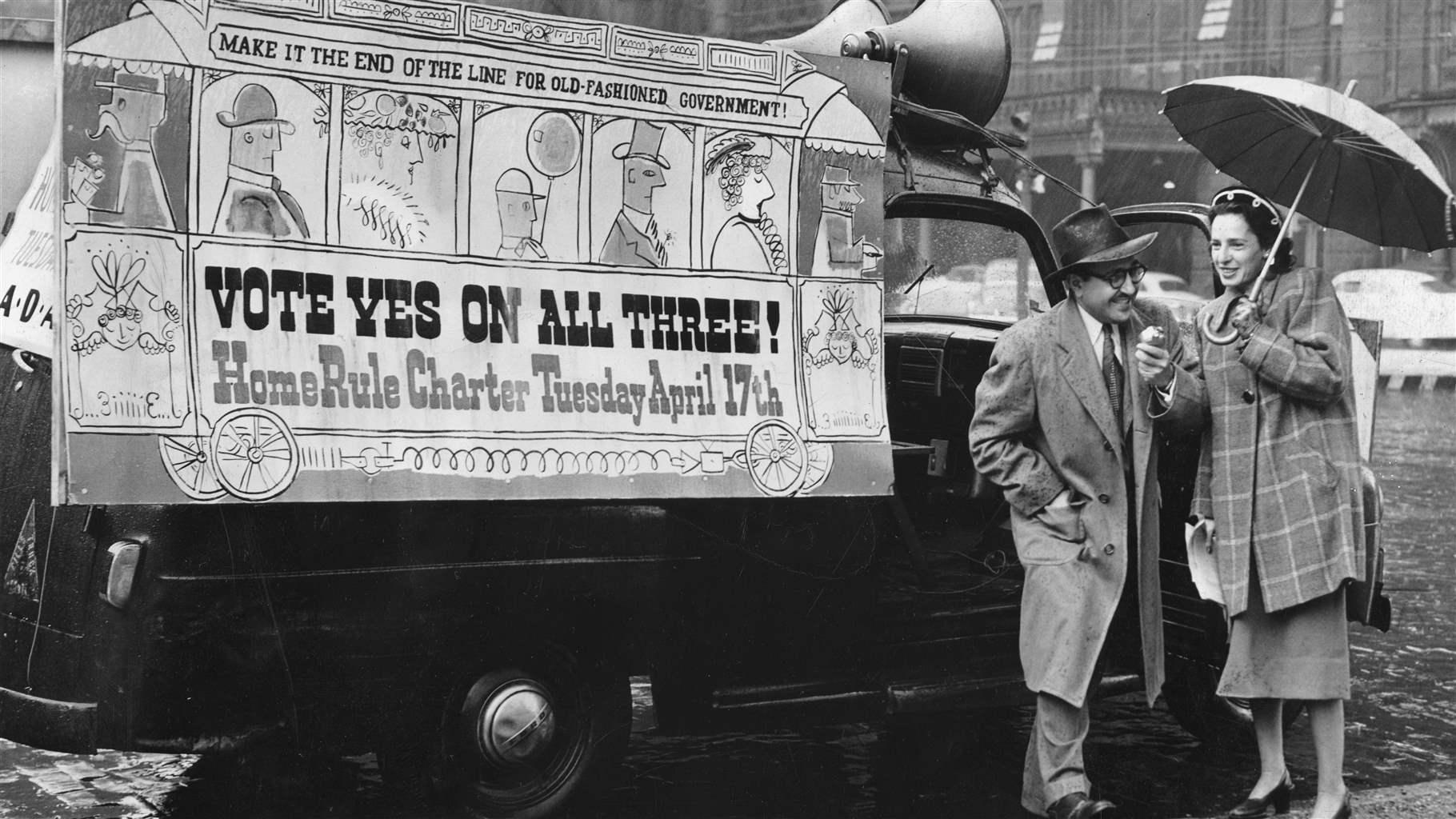
As the United States celebrates its 250th birthday this year, Philadelphia—the nation’s first capital and founding city—is marking a milestone of its own: the 75th anniversary of its Home Rule Charter. The charter, adopted on April 17, 1951, is often referred to as the city’s constitution, framing its governance structure and laying the foundation for relationships between Philadelphians and their local government.

Philly’s Public Workforce Returns to Pre-Pandemic Levels
Municipal workforces are crucial to shaping how local governments interact with their constituents. People in these roles provide key services for residents, including emergency, sanitation, water, and legal services.
Media Contact
Related Projects


