Pew Policy Tool Shows States Taking Action to Boost Distributed Energy Resources
From 2021 through 2025, legislatures across the country advanced local energy to meet the growing demand on the grid
The need for energy in the United States is growing with the rise of artificial intelligence data centers, the expansion of domestic manufacturing, and the electrification of the transportation system. As a result, state legislatures across the geographic and political spectrum are looking for innovative ways to alleviate pressure on the grid. Increasingly, they are turning to distributed energy resources (DERs) as a solution.
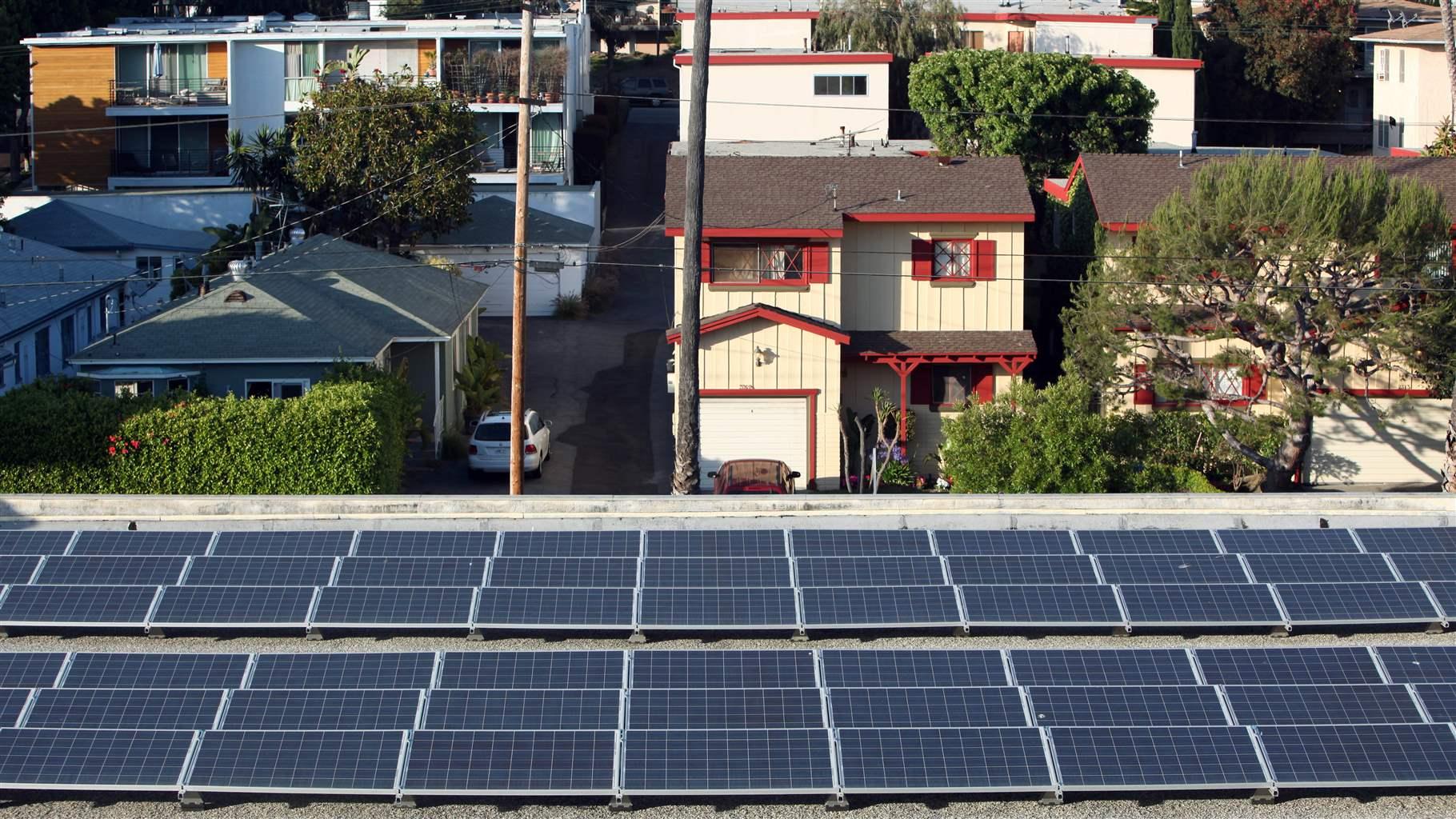
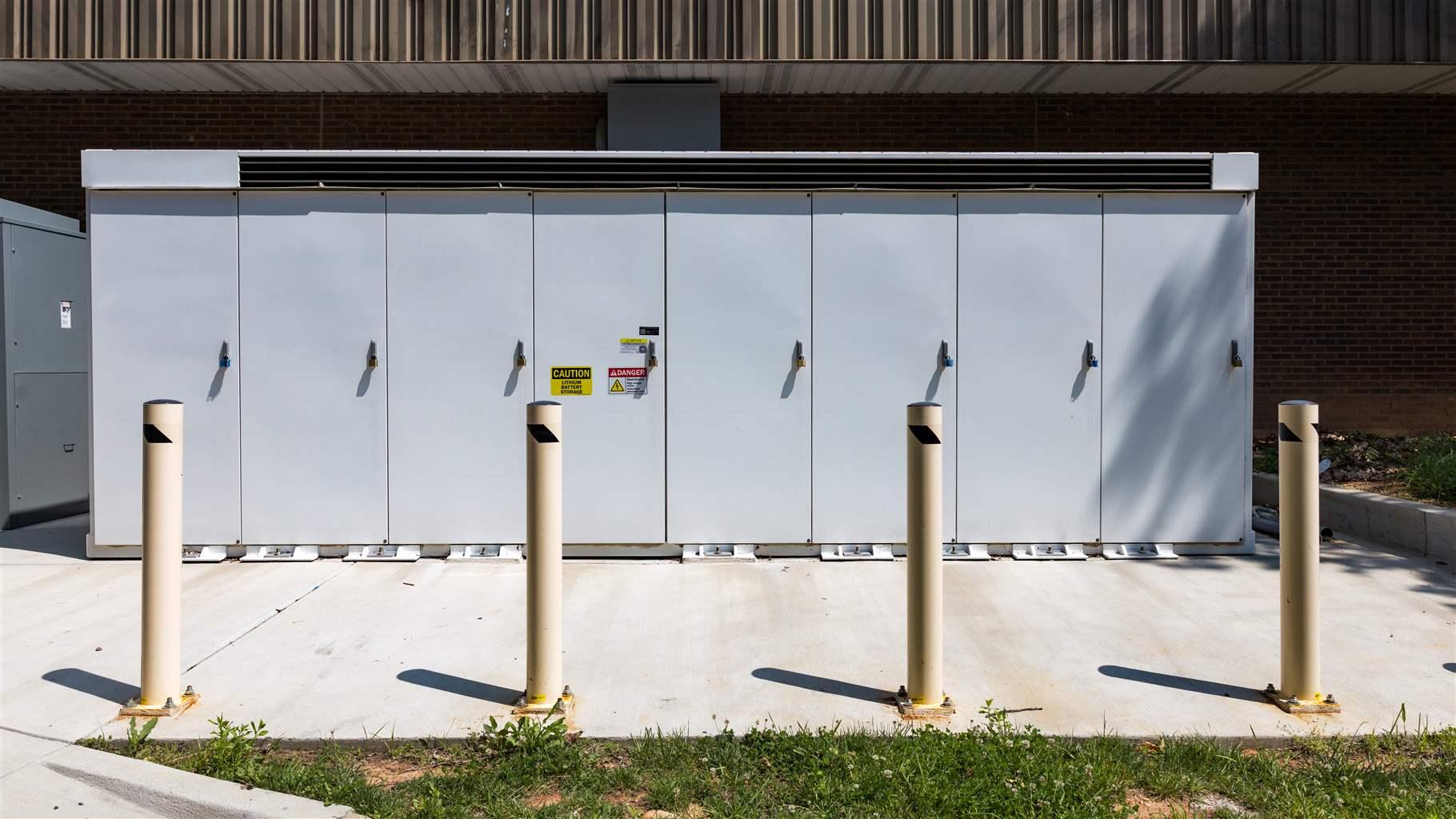
DERs are energy generation and storage technologies such as rooftop solar, battery storage, and smart appliances. The Pew Charitable Trusts, in collaboration with the North Carolina Clean Energy Technology Center, has developed a State Policy Explorer that inventories more than 400 DER-related state legislative actions enacted from 2021 through 2025. The State Policy Explorer shows that states have passed a range of measures advancing DERs—such as energy storage, electric vehicles and charging infrastructure, and microgrids—to help meet energy demand while providing affordable and reliable power.
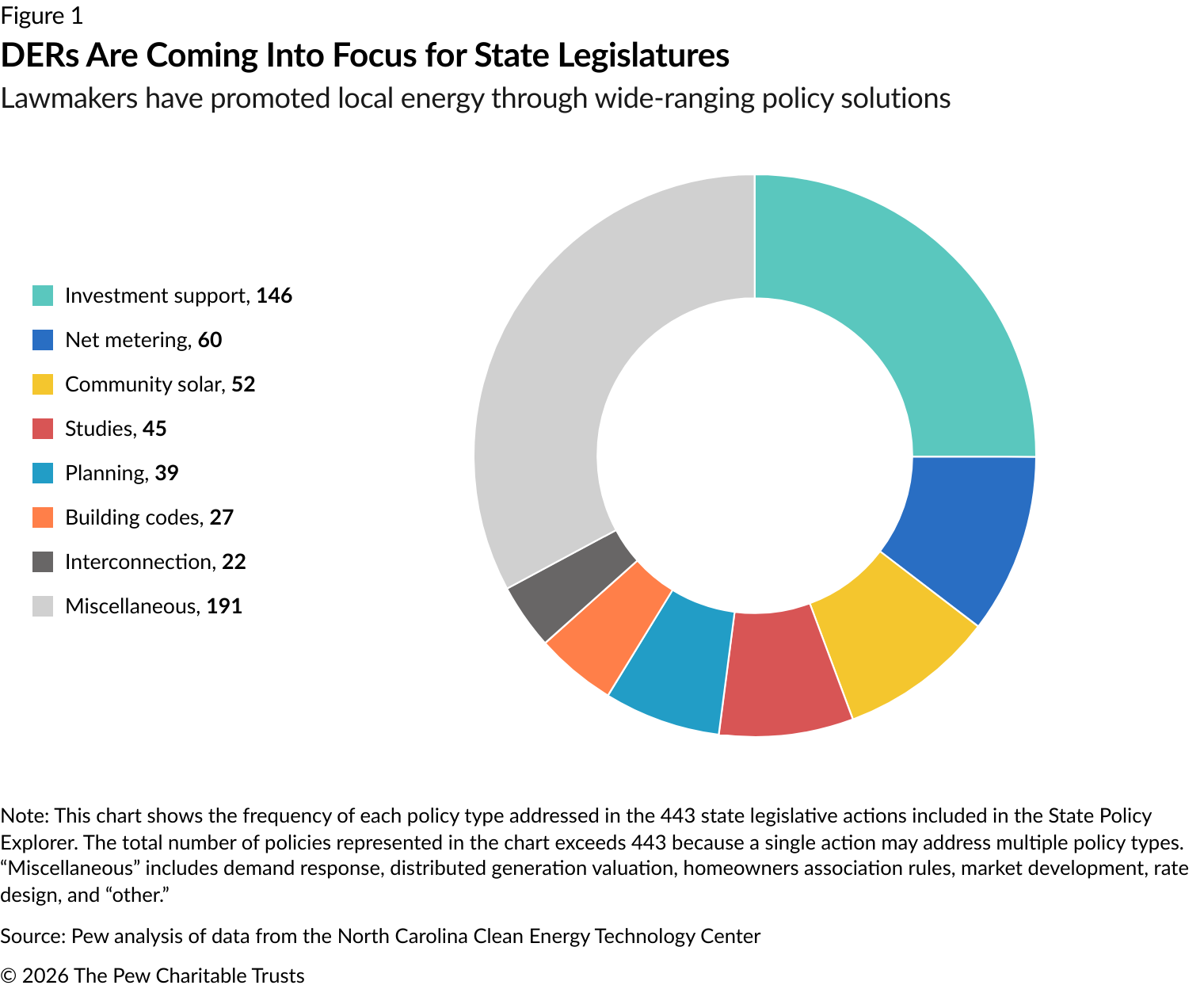
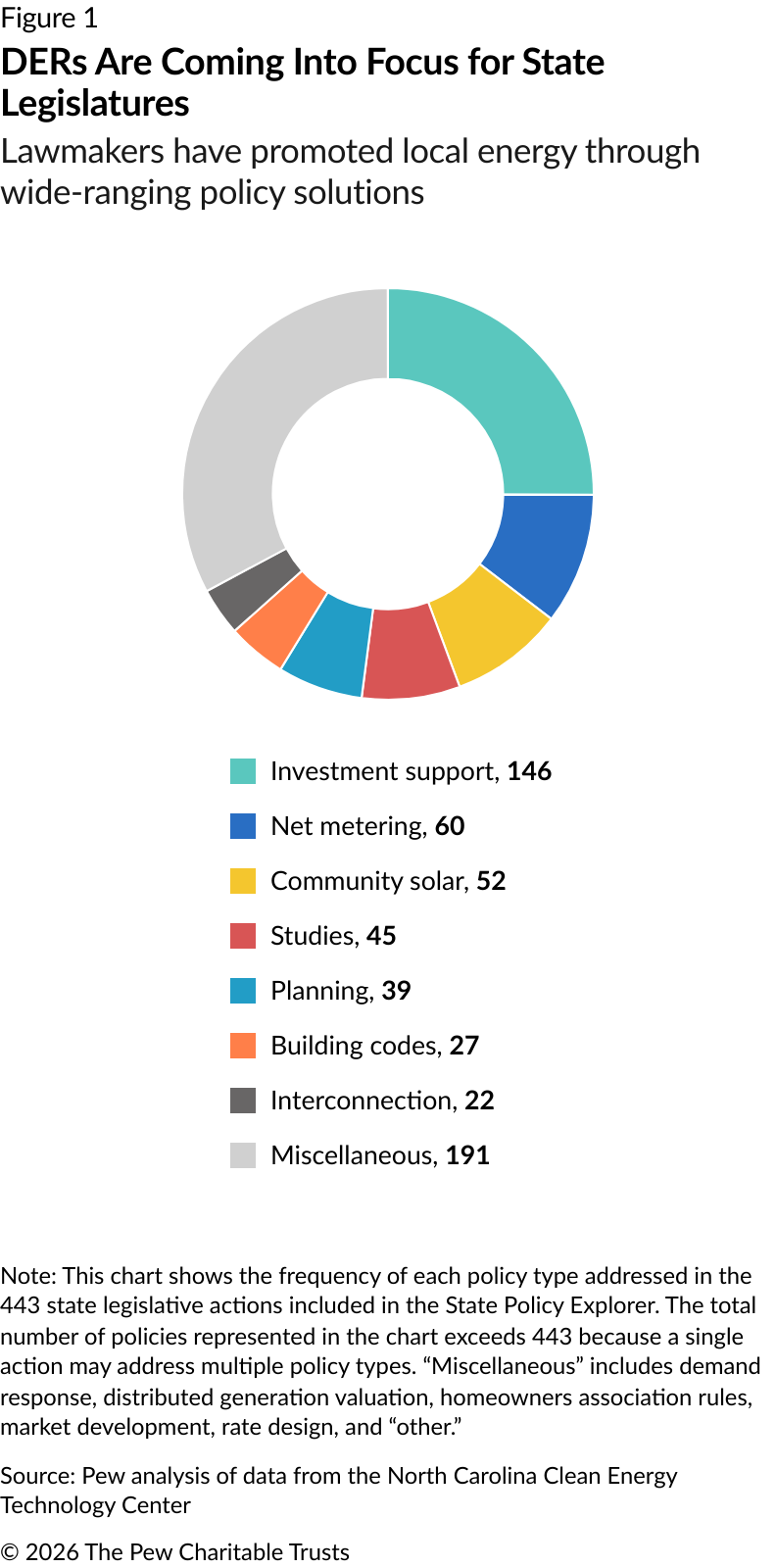
To promote the adoption of DERs, state lawmakers are employing a variety of policies, many of which focus on compensating DER owners and directly offsetting the cost of installing these technologies. Two prominent examples of such policies are investment support and net metering, which is a mechanism for compensating customers who generate their own electricity and send excess energy back to the grid, often through rooftop solar. But states are increasingly looking beyond these foundational financial mechanisms and pursuing additional strategies to reach higher DER penetration and meet the growing energy demand. Those strategies include:
- Improve grid planning.
- Establish procurement targets.
- Enhance energy resilience.
- Simplify the permitting process.
- Streamline interconnection.
Improve grid planning
Lawmakers in 24 states passed legislation to better integrate DERs into utility planning processes and establish a framework for investment in DERs as a reliable source of capacity—measures that can defer the need for costly infrastructure investments. These laws authorize utilities to propose programs and incentives that encourage customer-sited DERs such as energy storage, smart thermostats, and small local networks known as microgrids (South Carolina H.B. 3309); update distribution system planning to encourage DER deployment in anticipation of future demand (New Hampshire H.B. 1431); and increase the amount of energy generated from DERs that is permitted to help meet demand (Kansas H.B. 2149 and Michigan S.B. 271).
Establish procurement targets
Lawmakers in 12 states sought to encourage DERs by establishing targets for their deployment. Many states are prioritizing energy storage, a set of technologies that store electricity for use when needed. In Rhode Island, the legislature established an energy storage target of 885 megawatts (MW) by 2033 (H.B. 7811). It also tasked the Rhode Island Infrastructure Bank, an entity that coordinates public and private infrastructure investment, with developing programs to meet this goal, including the establishment of initiatives to make DERs more widely available to low-income residents. North Carolina required that 45% of solar generation procured to meet the state’s emission reduction goals come from third-party solar providers solicited by the electric public utility (H.B. 951). And the New Jersey Legislature revised its community solar program targets, increasing the goal by 3,000 MW through 2029 (S.B. 4530).
States also demonstrated growing interest in virtual power plants (VPPs)—aggregations of DERs—with 12 states and Puerto Rico adopting policies to encourage their deployment. For example, Virginia required the state utility to pilot a VPP program totaling up to 450 MW through utility-owned and non-utility-owned DERs (S.B. 1100). Maryland instructed its state public utility commission to require that investor-owned utilities develop programs to compensate DER owners and VPP aggregators for helping to support the grid through various distribution system services, including reducing peak demand (H.B. 1256).
Enhance energy resilience
State lawmakers also recognized the growing importance of boosting energy resilience to better prepare for and recover from increasingly frequent and severe weather events. Legislatures in 24 states enacted policies to promote microgrids, which typically provide dedicated power for critical facilities and infrastructure. Solutions such as microgrids can strengthen local energy security and keep communities powered through outages and extreme weather.
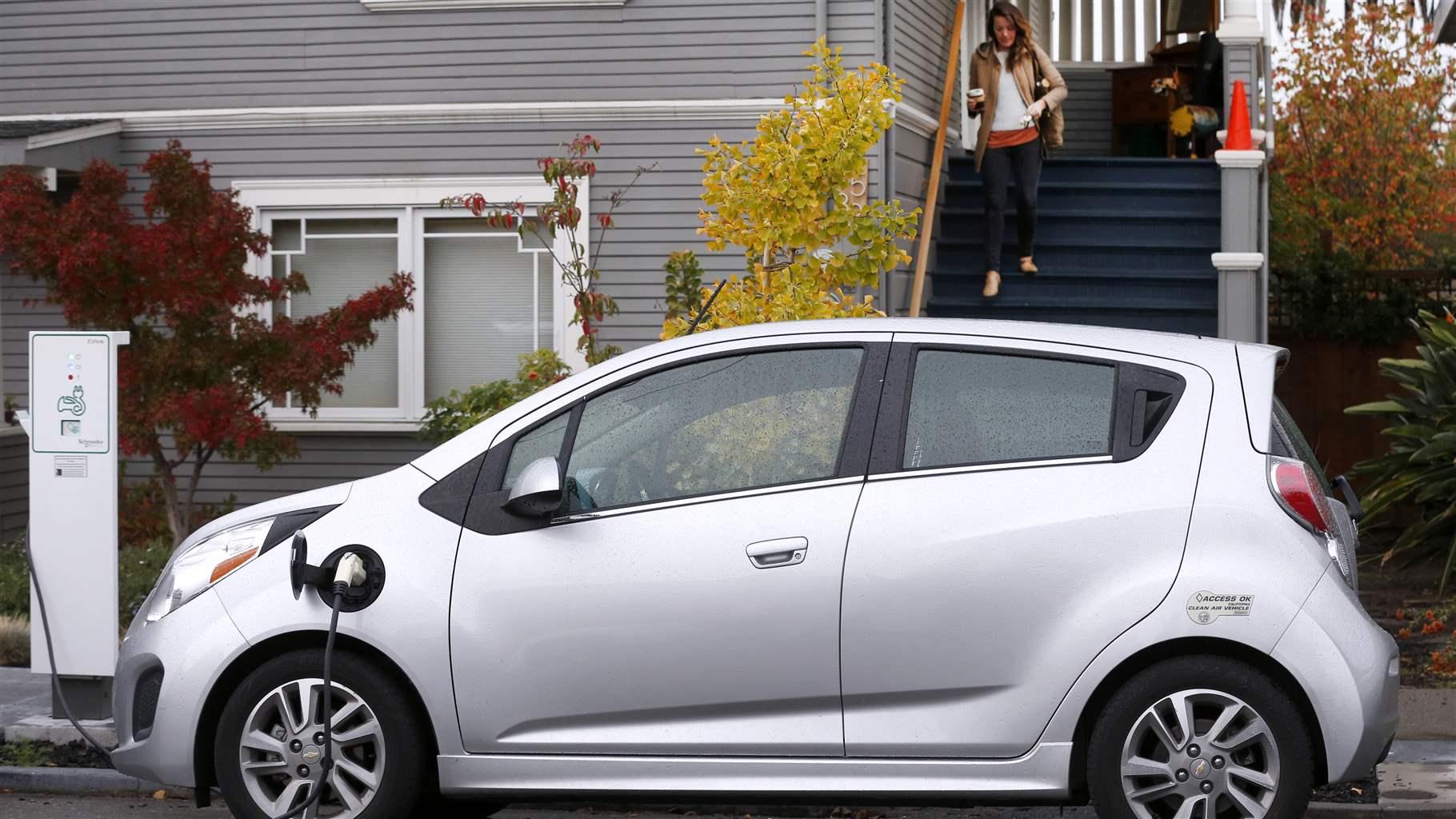
Many states, among them Tennessee (S.B. 795) and Idaho (H.B. 624), established new commercial property assessed clean energy programs (commonly known as C-PACE), which help property owners to afford energy upgrades, or updated existing laws to include energy storage, microgrids, and other resilience projects as qualifying improvements eligible for financing. Other states, such as Texas, focused on funding the design, procurement, installation, and use of backup power for critical facilities through grants and loans (S.B. 2627). Eligible technologies include solar panels and battery storage, as well as battery storage on electric school buses.
Ohio looked to other states for solutions and passed a Senate resolution recommending the adoption of a version of New Jersey’s Microgrid Pilot Program Act, with the goal of using DERs to power critical facilities and support electric grid security (S.C.R. 2).

Simplify the permitting process
Permitting processes for commercial DER projects can be unpredictable, duplicative, and lengthy, hindering widespread adoption. To address these challenges, the Colorado General Assembly passed H.B. 1173, which allows an expedited permitting process for electric vehicle charging systems at the municipal and county levels. Through H.B. 1234, the legislature also established the Streamlined Solar Permitting and Inspection Grant Program, which provides grants to help local governments implement free automated permitting and inspection software for residential interconnection applications.

Streamline interconnection
To meet the growing energy demand, DERs need to connect to the grid more easily through processes that are flexible, customer-friendly, and predictable. Through H.B. 431, the Vermont legislature directed the Public Utility Commission to simplify the interconnection application process for energy storage facilities with a capacity between 100 kilowatts and 1 MW and to establish rules to exempt certain projects from having to submit a certificate of public good, which ordinarily is required to construct or modify energy infrastructure.
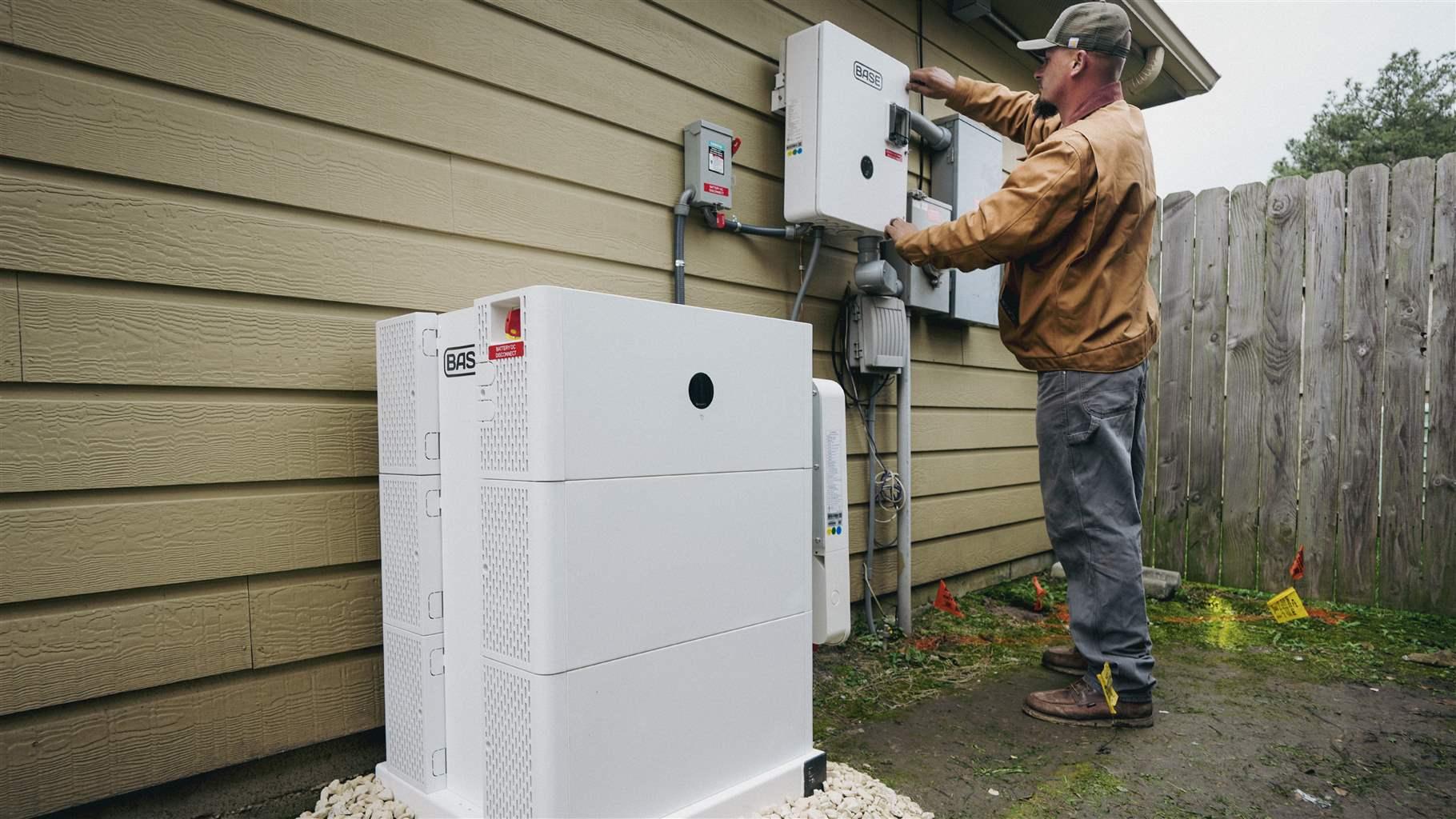
The Illinois General Assembly passed S.B. 2408, which established the Interconnection Working Group to address energy storage and the cost of distribution system upgrades, specifically through the use of smart inverters, which help to connect DERs with the electric grid. Nebraska L.B. 20 makes agricultural facilities eligible to connect DERs such as solar and wind power as forms of on-site electric generation.
More information on these laws and hundreds of others is available in the State Policy Explorer, where decision-makers can review innovative efforts undertaken across the nation to strengthen resiliency, reduce costs for consumers, and expand energy options through the deployment of DERs.
Brian Watts is an officer with The Pew Charitable Trusts’ energy modernization project.
People