Explore How States Are Advancing Distributed Energy
Pew tool shows policies implemented from 2021 to 2025 to boost the power grid
Overview
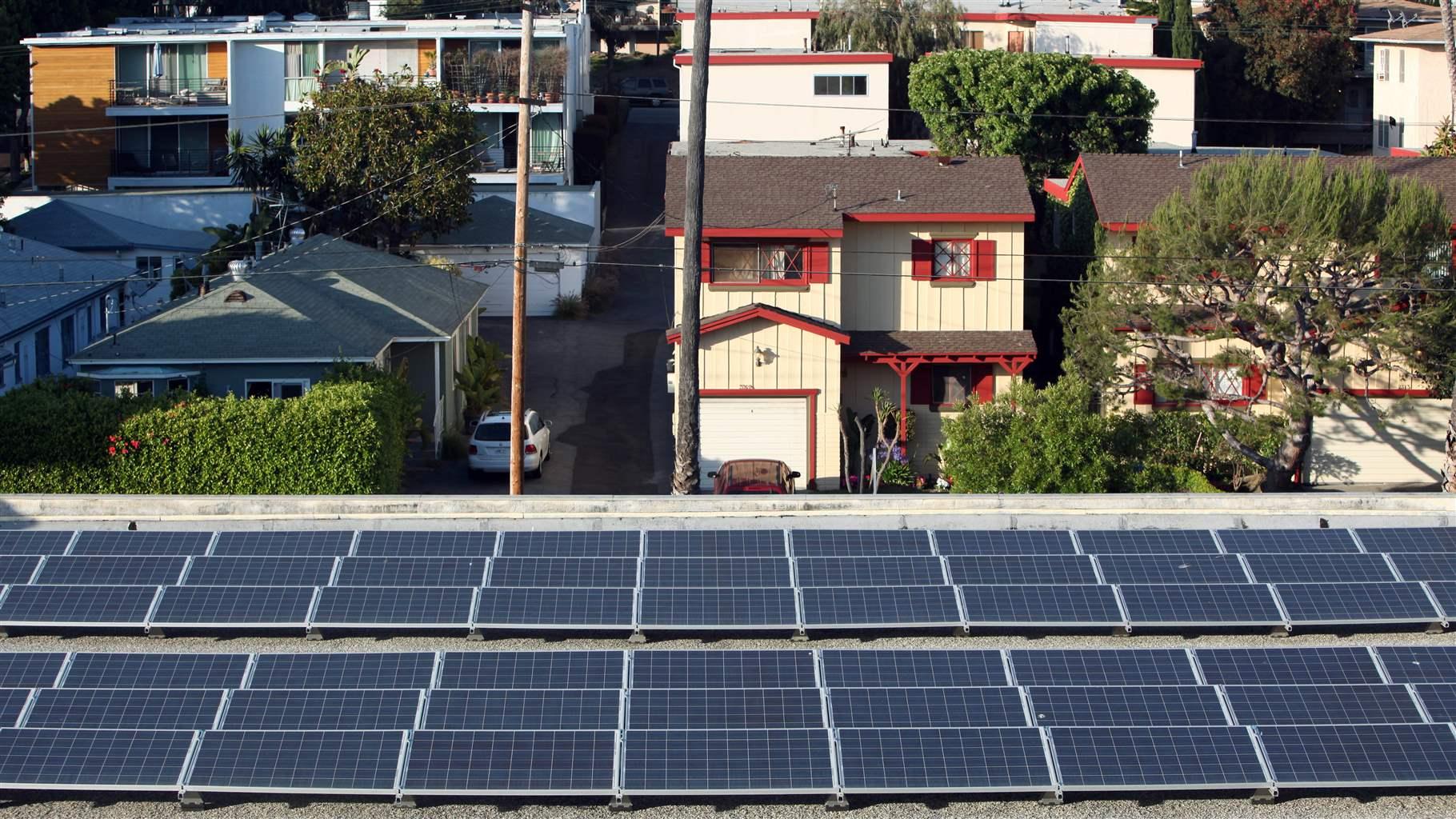
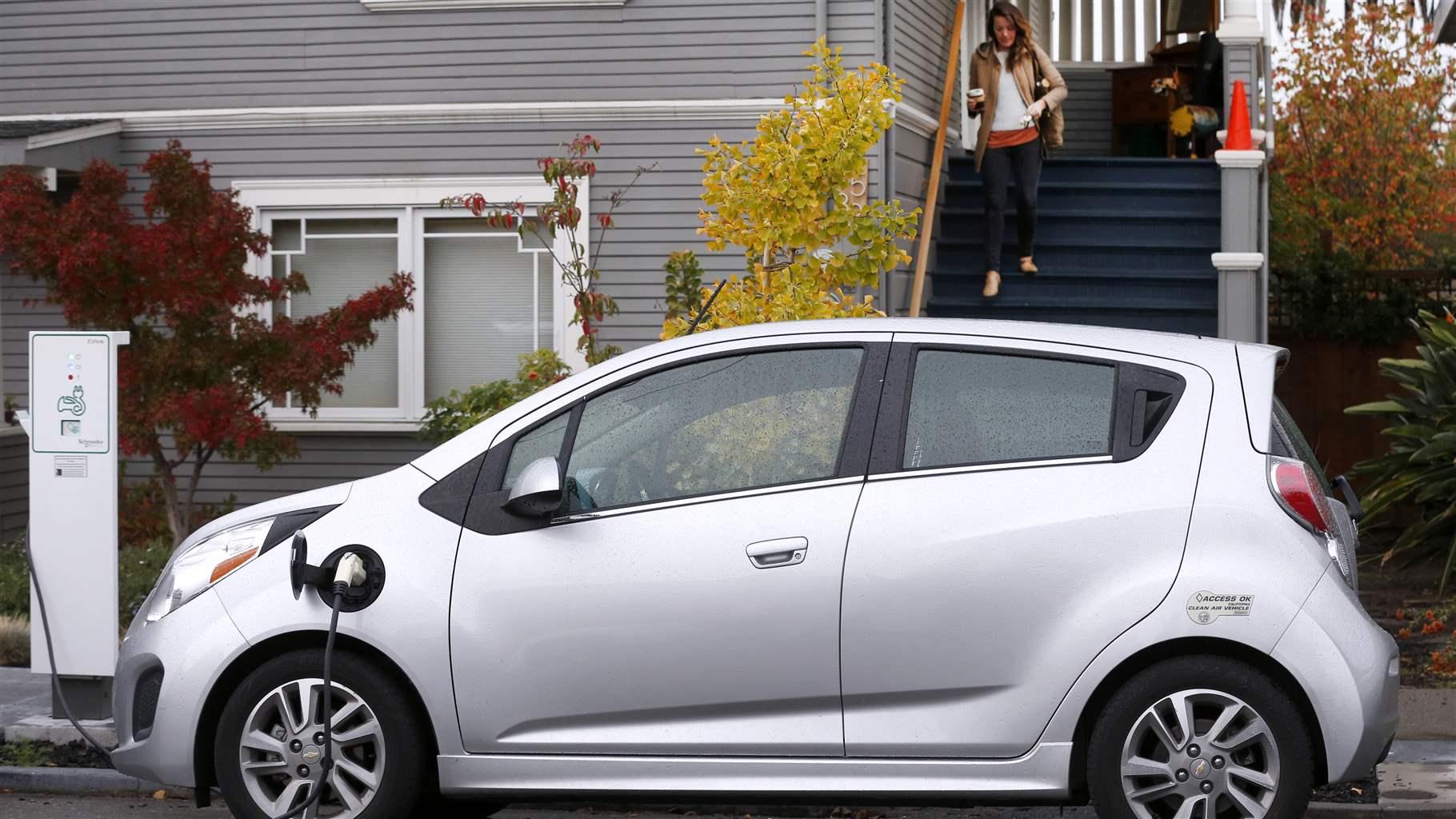
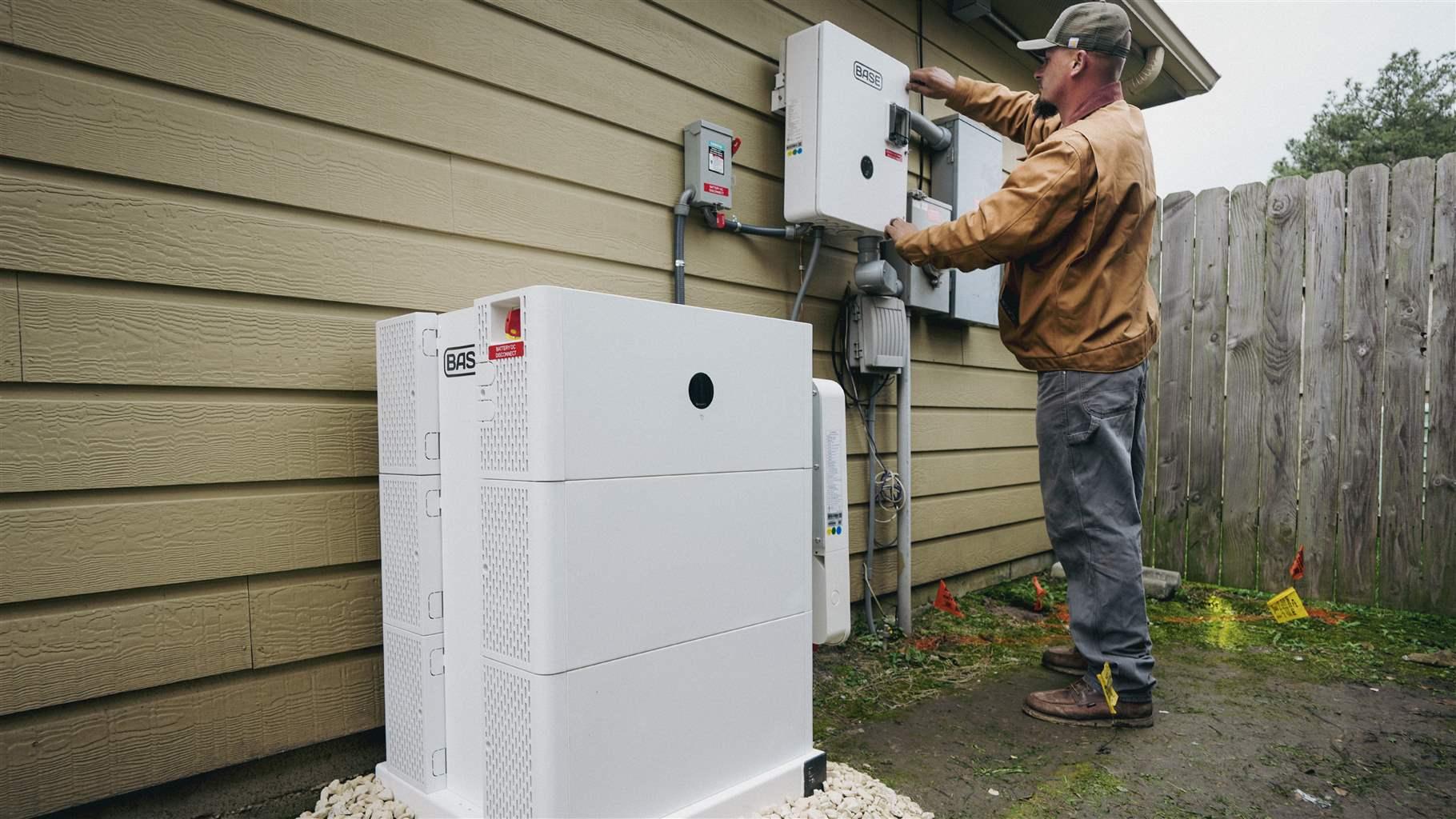
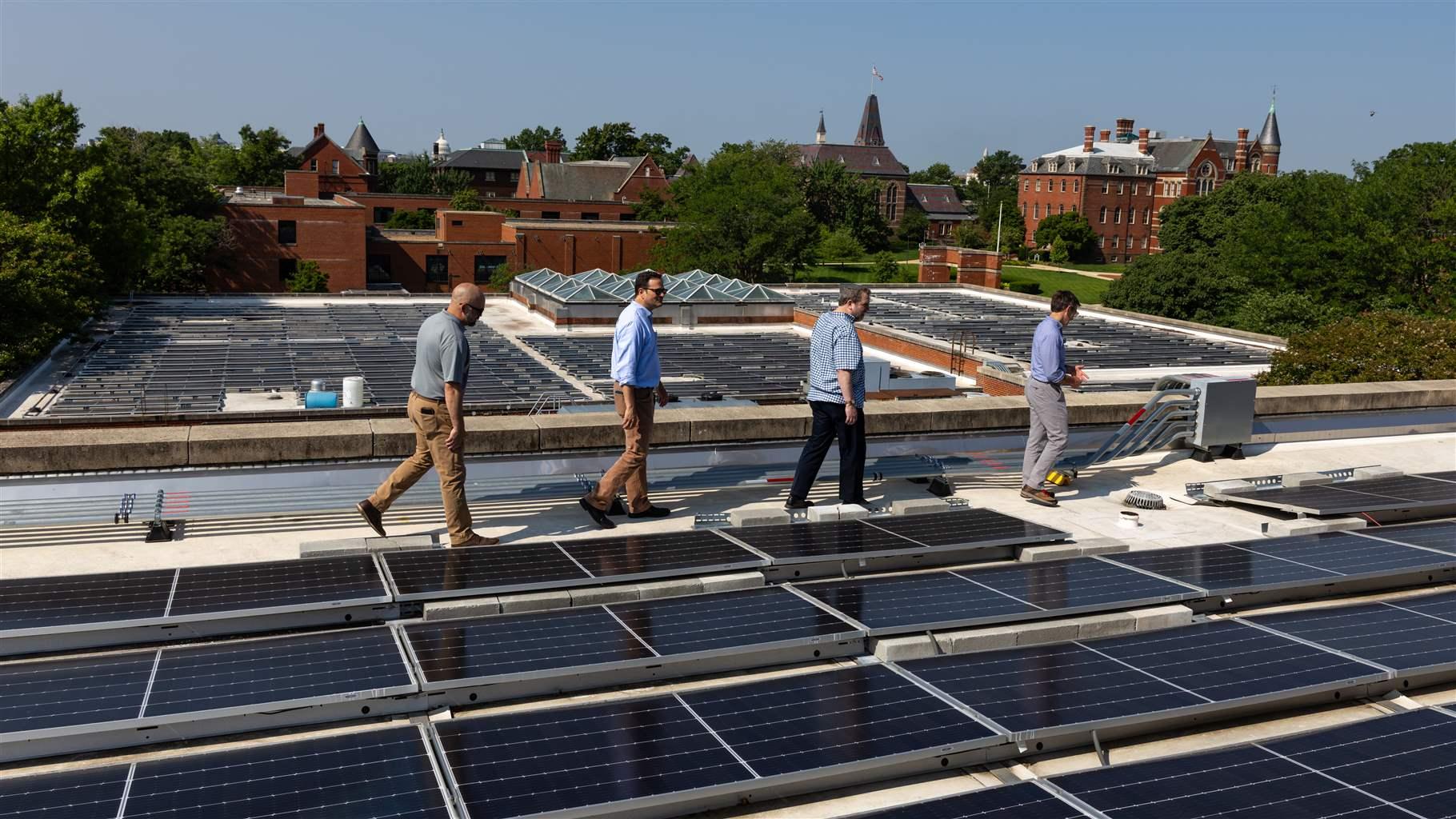
Demand for energy is increasing across the U.S. To meet these growing needs and support the power grid, states are embracing innovative policies to advance distributed energy resources (DERs)—energy generation and storage technologies such as rooftop solar, battery storage, smart appliances, and community solar, which are shared solar projects that give subscribing customers credits on their on their electricity bills. These policies enable broader consumer access to DERs, improve energy affordability and reliability, and provide greater support for communities’ energy needs.
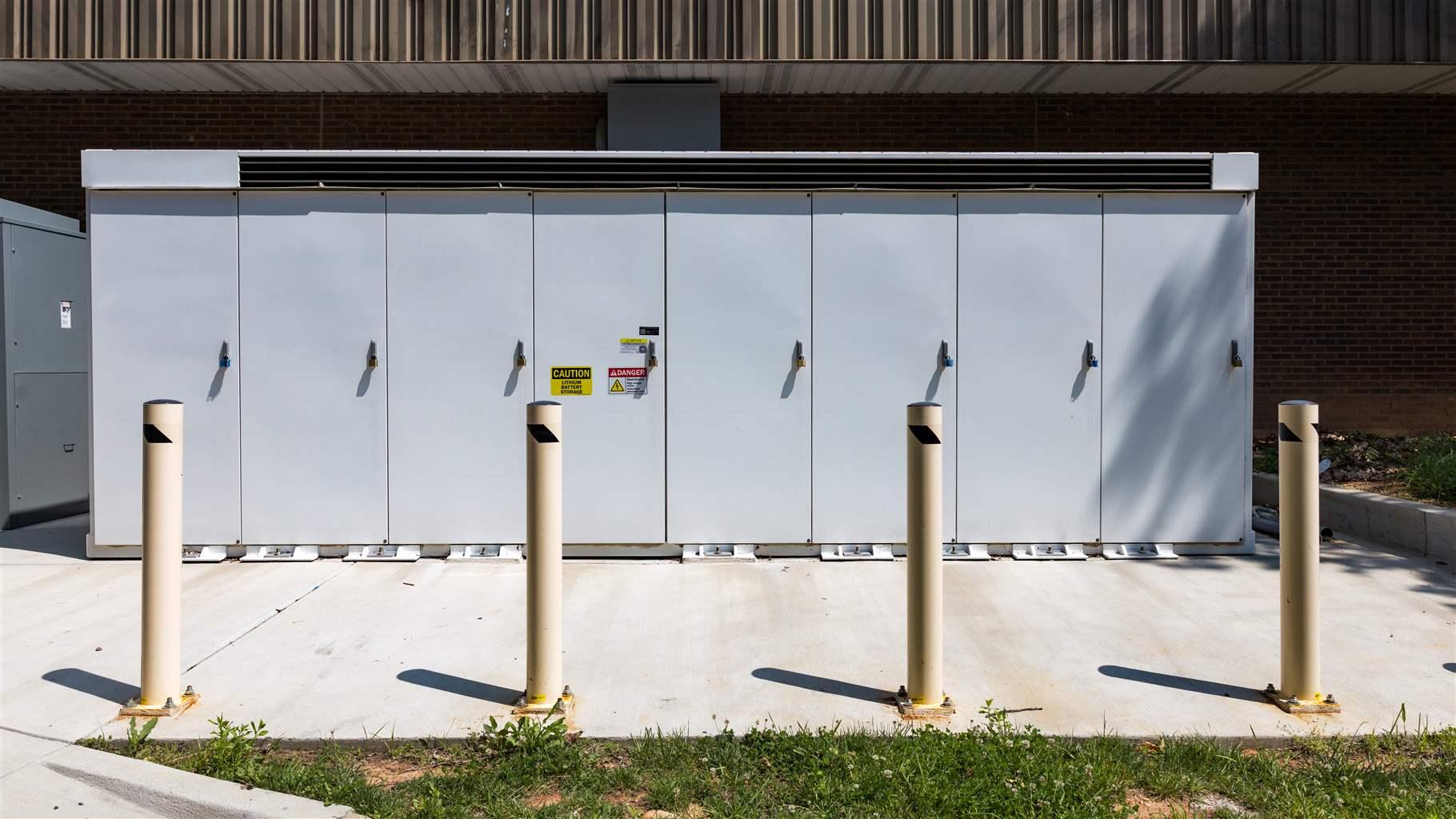
The Pew Charitable Trusts, in partnership with the North Carolina Clean Energy Technology Center, developed the Distributed Energy Resources State Policy Explorer to compile and share DER-related legislation enacted throughout the country from 2021 through 2025. The policies in the explorer showcase the range of approaches available to expand the use of DERs through improved grid planning, community resilience, and addressing barriers to permitting and interconnection—the process for connecting energy generators and batteries to the grid.
About the explorer
The state policy explorer features an interactive U.S. map. It contains more than 400 entries, allowing users to filter results by state; policy area (e.g., building codes, community solar, and investment support); crosscutting topics (e.g., resilience); technology, including energy storage, photovoltaic solar, electric vehicles and charging infrastructure; and demand response.
(According to the National Association of State Energy Officials, PACE—which most commonly stands for “property assessed clean energy”—“enables property owners to implement energy improvements on their property and repay the costs over an assigned term (typically between 15 and 20 years) through an assessment on their property tax bill.”)
All descriptions of legislation are provided by DSIRE. Pew is not responsible for any errors or omissions.
Methodology
Pew researchers reviewed legislation enacted in states, using the North Carolina Clean Energy Technology Center’s Database of State Incentives for Renewables & Efficiency, for instances of provisions related to DERs in state law. Results may include bicameral versions of a particular legislation.
People