To Harness Power Plants’ Unused Capacity, States Can Turn to ‘Surplus Interconnection Service’
Innovative approach can quickly boost electricity production to benefit consumers
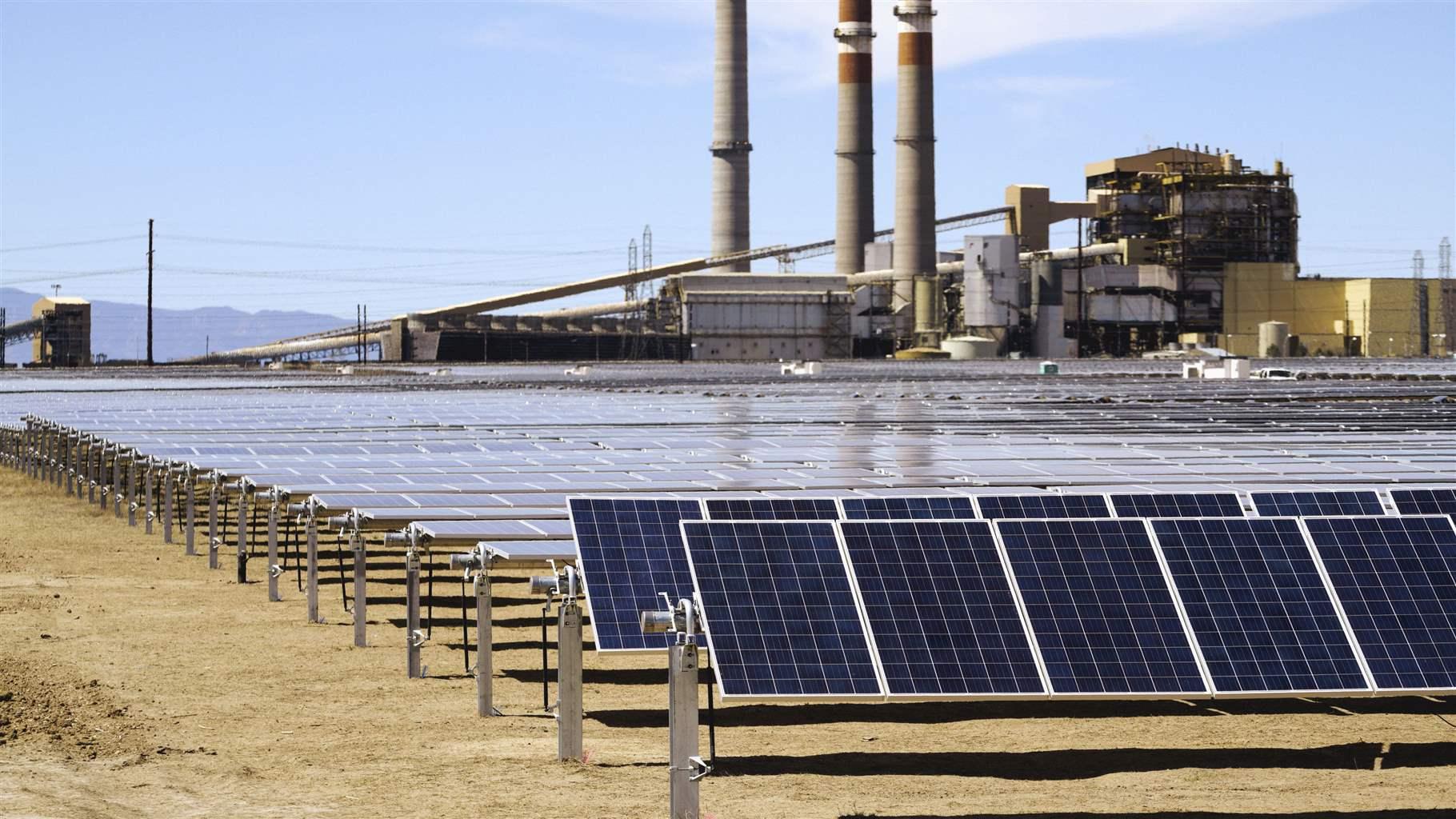
As demand for electricity continues to rise in the United States, policymakers and utilities are increasingly concerned about how to meet consumers’ needs cost-effectively, especially because it takes an average of five years for new energy projects to connect to the grid after they are proposed. But one underused approach, called Surplus Interconnection Service (SIS), can shortcut that wait by allowing new power generation or storage to be added in months instead of years. That’s because SIS resources are colocated with existing power plants and share their access to the grid.
The issue with adding new power sources
Interconnection is the approval process that new power plants must follow to connect to the grid and deliver power to consumers. It is often time-consuming due to both the volume of requests and the time grid operators need to conduct detailed reviews of projects. Proposed power plants join an interconnection “queue” where they wait their turn for grid operators to study the plant, determine and construct needed upgrades to power lines and infrastructure, and approve the plant for a maximum number of megawatts (MW).
This process safeguards the grid but takes years. However, many existing power plants do not always operate to their maximum capacity, leaving a MW surplus that can be filled with new generation or storage.
SIS allows power plants to leverage that surplus by sharing their interconnection with new energy resources, typically low-cost and quick-to-install solar and batteries, which bypass the interconnection queue. The Federal Energy Regulatory Commission opened the door for widespread use of SIS in 2018, allowing any power plant larger than 20 MW to apply to add SIS resources.
Power plants run the energy gamut from thermal generators, such as natural gas and coal, to renewables, such as wind and solar, and have differing opportunities for SIS. For example, some natural gas plants may only operate four or five days a year when demand is peaking, despite having approval for generation all year. SIS allows these “peaker plants” to add generation such as solar and drastically increase power generation year-round. Similarly, solar farms, which generate electricity only during the daytime, can add SIS battery or wind resources to operate at night to maximize their interconnection rights.
Benefits of SIS
Aside from boosting energy delivery to consumers quickly and efficiently, SIS also:
Increases energy deployment: SIS resources supplement the traditional queue for new power plants, creating a separate pathway to bring new energy resources online quickly while the main interconnection queue continues to approve projects.
Minimizes land use: SIS projects must be located at or near existing power plants and can often be installed on the plant’s existing footprint, reducing the need to disturb undeveloped land.
Enhances reliability: The combination of the original power plant’s output and SIS resources can provide greater reliability than either resource would have separately, for example, by generating and storing solar energy by day and deploying it at night.
Reduces grid congestion: SIS allows for energy production during times when the original power plant is offline or underutilizing its interconnection rights, reducing congestion and in turn lowering prices for consumers.
Helps reduce transmission system costs: SIS increases energy supply without the need to construct new transmission lines, which are costly and take many years to build.
How states can add SIS
State governments can encourage and boost the use of SIS through a variety of actions:
|
Mechanism |
Implementation |
|
Planning requirements |
States can require utilities to consider SIS projects in their integrated resource plans (IRPs), power plant applications, or other regulatory proceedings. |
|
Regulatory consideration |
Regulators can ensure that the reliability and capacity benefits of SIS projects are properly considered in utility resource planning. |
|
Economic development incentives |
State economic development offices or programs can consider economic incentives to develop SIS projects and ensure SIS projects qualify under other energy incentive programs. |
|
Permitting and siting |
Regulators can expedite permitting and siting rules for SIS projects and remove barriers to SIS in existing regulations, such as zoning requirements prohibiting colocation. |
SIS is a promising tool states can leverage now to quickly get additional power onto the grid, which in turn would benefit energy providers and consumers alike.
Jenny Netherton works on The Pew Charitable Trusts’ energy modernization project.
People