Seafood Supply Chain Leaders Can Help to Safeguard Ocean Life
Companies that bring the world’s fish to market can drive greater marine conservation
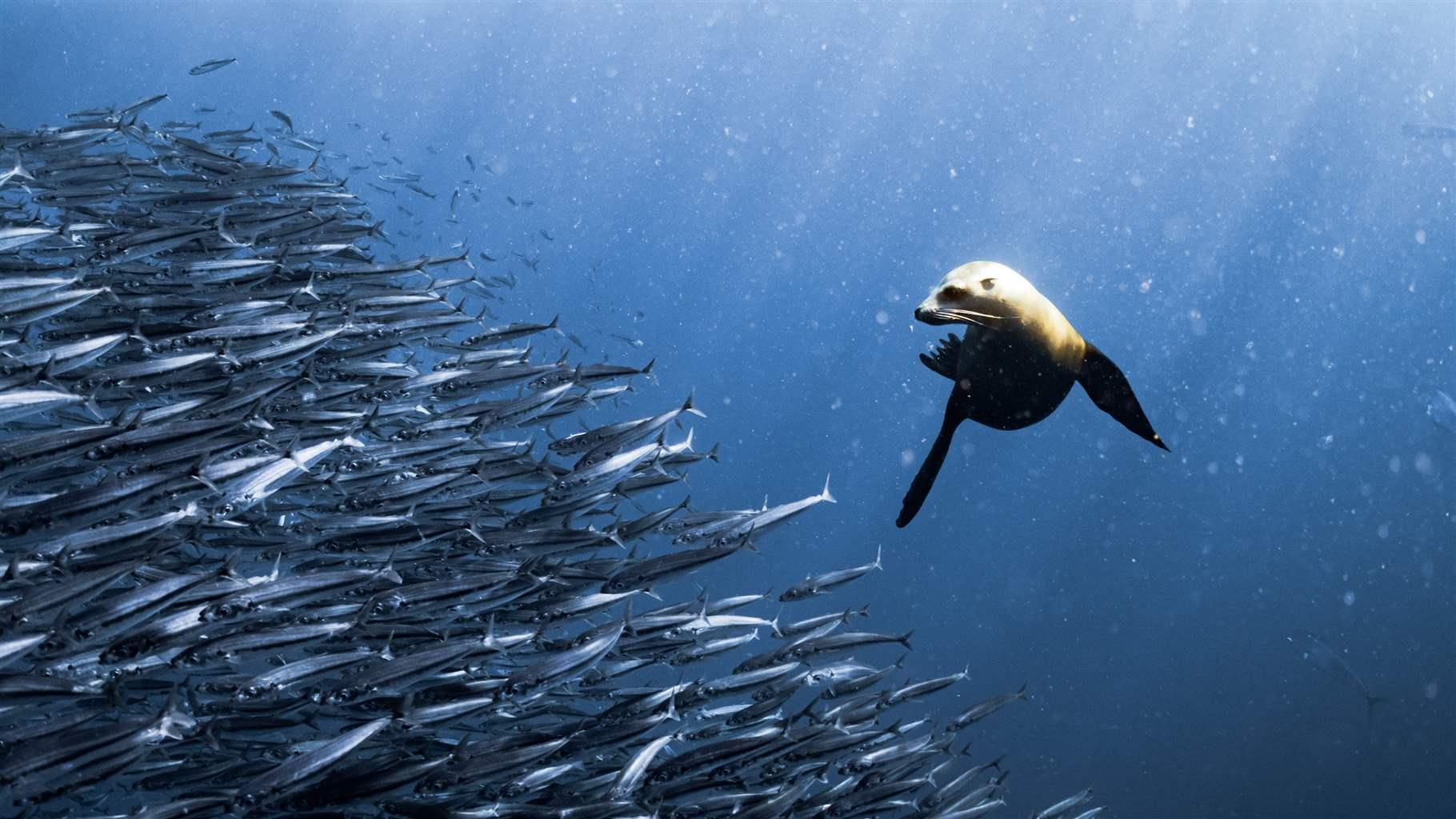
Seafood companies and others in the ocean product supply chain can play a major role in addressing the triple threats of overfishing, habitat loss and climate change that put ocean biodiversity at risk. Today, more than half of the ocean is traversed by industrial fishing vessels, which, in their efforts to catch as much tuna, herring and other valued species as possible, can deplete those populations and accidentally catch threatened or endangered wildlife.
And although the global community has made numerous commitments to address these harms and protect habitats and species, urgent action is needed to fulfill those promises. Business practices across the seafood supply chain can be strengthened to reduce the risk that the world’s fishing fleet poses to the health of the marine ecosystem.
Healthy ocean, thriving economies
In 2022, 196 member governments of the United Nations Convention on Biological Diversity agreed to the Kunming-Montreal Global Biodiversity Framework (GBF), an ambitious plan to safeguard nature that is best known for committing governments to protecting 30% of the ocean by 2030. GBF members have acknowledged that, in addition to government action, business interests are a critical component of reaching the world’s biodiversity and conservation goals, and that conservation and economic interests are intrinsically linked.

Target 15 of the GBF is designed to address the actions that businesses should take to conserve biodiversity. It calls on governments to encourage and enable businesses to assess, disclose and reduce biodiversity-related risks and negative effects of their industries. But the consequences of destructive fishing – illegal, unreported and unregulated fishing as well as overfishing – have typically received far less attention and strategic focus than have the harms of other extractive industries such as mining and logging, despite growing demand for seafood as a protein source and for fish meal and fish oil for aquaculture and dietary supplements.
For companies in the seafood supply chain – including buyers who are responsible for sustainable sourcing as well as wholesalers and retailers – this lack of attention on fishing combined with the requirements of Target 15 presents a major opportunity to lead on protecting marine biodiversity and the future of the seafood industry. Ocean health is critical to these companies’ long-term business success, and the companies can take concrete steps to help ensure that a sustainable flow of fish to the marketplace can continue without harming ocean ecosystems.
Market-driven efforts to improve ocean health
The first step is a call to action from seafood supply chain members to transform the GBF, and other global commitments to protect marine life, into reality. Although many companies advocate for improved fishing practices to minimize harm to commercially targeted stocks, they have placed comparatively less emphasis on safeguarding broader ocean ecosystems from the effects of fishing.

Second, as key stakeholders, companies can meaningfully participate in the meetings of regional fisheries management organizations – multinational entities that govern fishing on the high seas – where decisions about how to manage many of the world’s largest fisheries are made.
Importantly, seafood supply chain members also need to take action within their own business models to honor global commitments such as the GBF, including:
- Evaluating their dependency on nature and ecosystems and transparently reporting to the public on their impact and actions to help consumers make informed purchasing decisions.
- Requiring protection of marine biodiversity within sourcing supply chain policies, such as prioritizing fisheries that effectively manage stocks and minimize impacts on ecosystems.
The Pew Charitable Trusts is open to working with companies in the seafood industry that are ready to step up and commit to biodiversity and sustainability. The GBF’s 2030 deadline is only a few years away, and by getting more involved in conservation today – and insisting on business practices that enhance ocean health—seafood supply chain companies can drive progress.
Katy Hladki is a senior officer working on international fisheries for The Pew Charitable Trusts.

People


