What Does a Barbie Pig Have to Do With Seabed Mining?
Episode 178

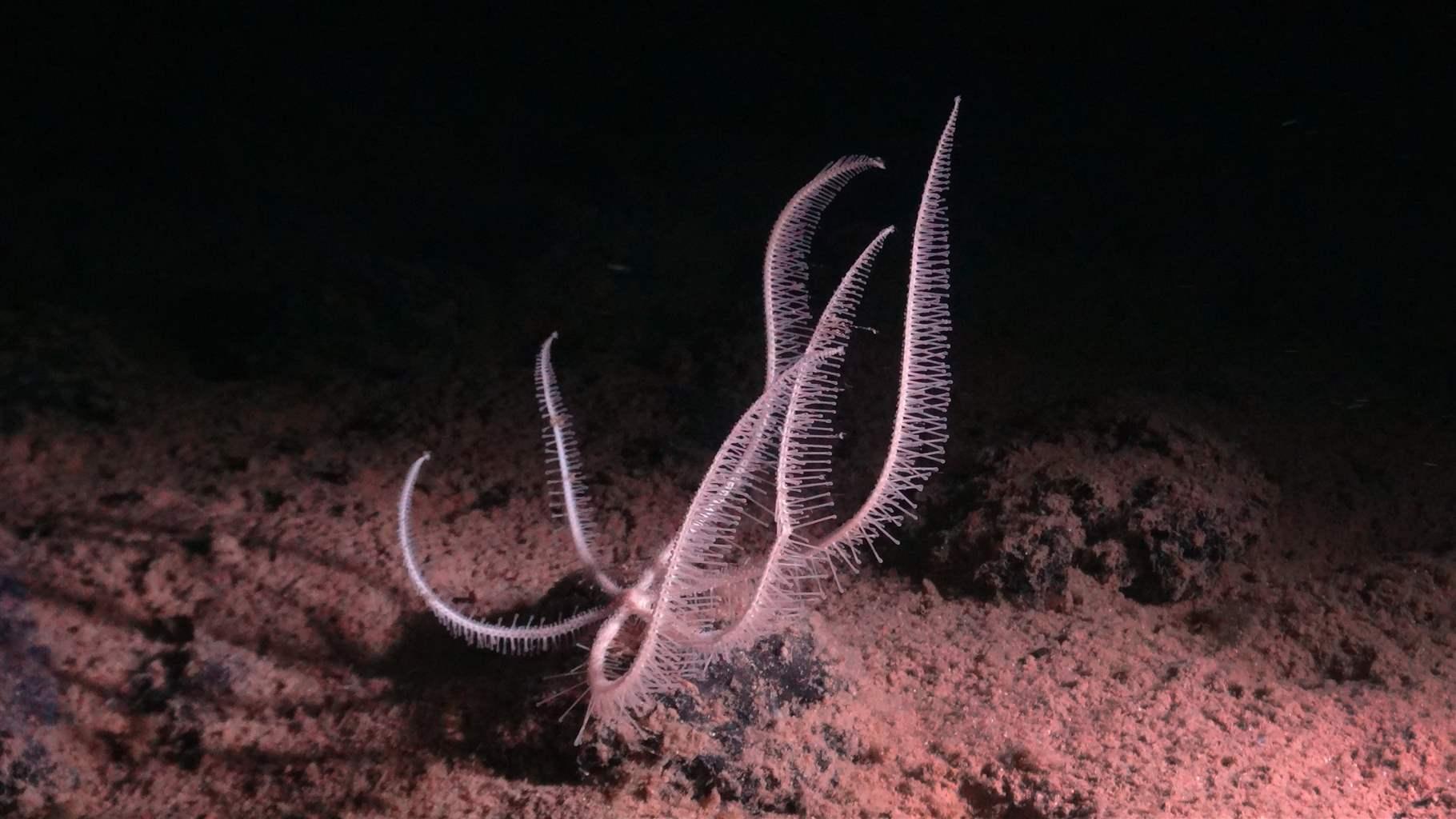
Meet the “barbie pig,” “gummy squirrel,” and “headless chicken monster”: These fantastical-sounding nicknames belong to real creatures living in the deep sea—one of the most extreme environments on Earth. And taxonomists, the scientists who discover and name new species, are finding new life in the ocean with every expedition to its depths. In fact, the deep sea makes up 90% of the marine environment, yet recent science suggests we've seen less than 1% of it.
But in the same place where a creature such as the barbie pig can survive, there’s growing interest in deep-sea mining. Mineral-rich nodules that grow on the seafloor could one day help manufacture products such as cell phones and electric vehicle batteries. But scientists warn that mining could damage critical ecosystems before we fully understand them.
In this episode of “After the Fact,” Pew expert Julian Jackson explains what seabed mining is and what its consequences could be. We also hear from filmmakers Eleanor Mortimer and Jacob Thomas, whose documentary “How Deep Is Your Love” follows taxonomists as they discover and name new species living at the bottom of the ocean.
Disclaimer: Last year, a private mining company sought U.S. approval to commercially recover deep-sea minerals in areas of the deep ocean cited in this episode. The mining application was submitted to the National Oceanic and Atmospheric Administration (NOAA), outside the framework of the International Seabed Authority—the entity responsible for overseeing future deep-sea mining in areas beyond national jurisdiction. The application continues to advance under NOAA’s application and review process. Also, the documentary, “How Deep Is Your Love,” is fully independent and did not receive funding or support from Pew.
Related resources:
People